Tata Nano has nearly disappeared from the showroom floor, but the legacy of India's most ambitious small car continues to keep automobile fans up at night. Now, there is speculation that the Tata Nano will ever return when a senior Tata Motors executive says that the iconic brand may find a new life as an electric vehicle.
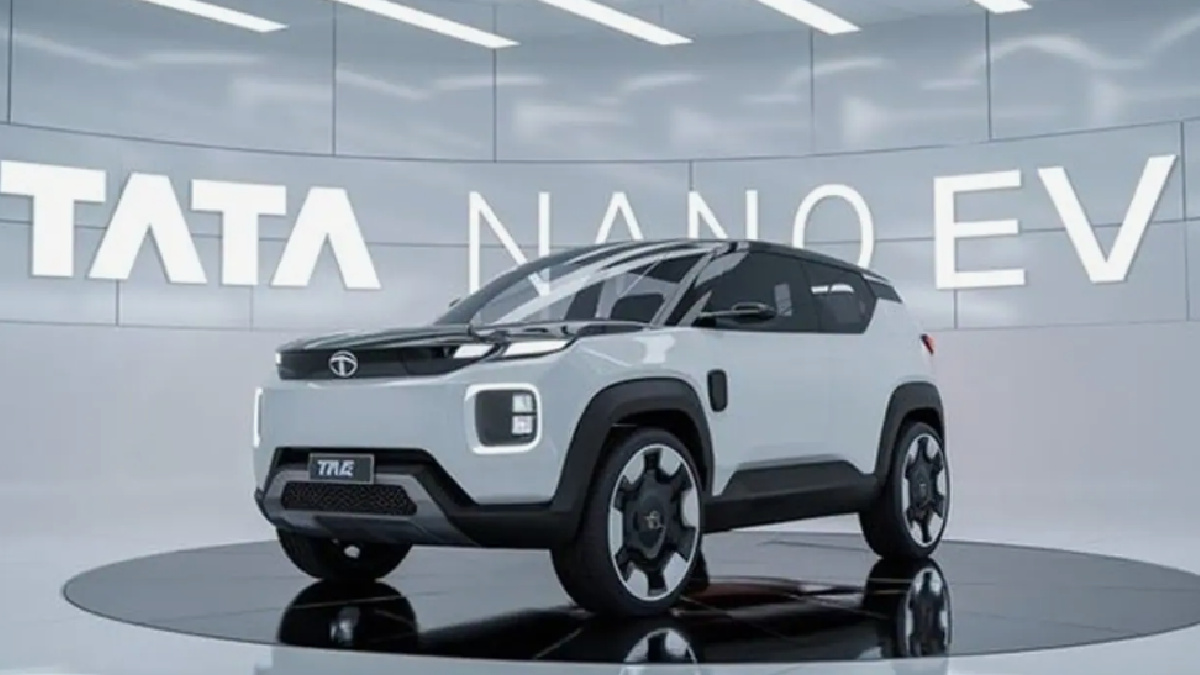
Jain’s comments opened up a new conversation after Tata Motors’ Head of India Design Ajay Jain in a recent interview with the automotive media about the future of the Nano brand. Tata Motors has not mentioned anything about an electric Nano EV in any form and has yet to launch it, but Jain believes an electric version of the Nano could be a good way to bring the Nano to a new generation of buyers. Jain has revived the discussion amongst Indian car buyers who still see the Nano as a good way of moving and can still use it.
When the Tata Nano was launched in 2009, it was one of the most talked-about automotive projects in the world. He was a visionary who saw the automobile as a vehicle for millions of people who had two-wheeler-owning families to buy as a four-wheeler. And because the car was priced so high, it became a vehicle for all the people in India and made people's transportation available to all.
But the Nano was not so successful as a commercial success despite having a groundbreaking concept. A big problem was its status as the “world’s cheapest car.” As a luxury, the cheap car was an asset, but the Indian public perceived car ownership as a status symbol and preferred premium hatchbacks with a more aspirational appeal. Sales slowly declined, and production was discontinued.
Today’s car market is completely different from when the Nano was first introduced. Electric vehicles are on the rise, charging infrastructure is getting better, and the needs of consumers for sustainability, technology, safety, and connectivity are becoming more and more important. These new dynamics of the market have created a new opportunity for small urban electric vehicles, which could be exactly the time for a Nano that is redesigned.
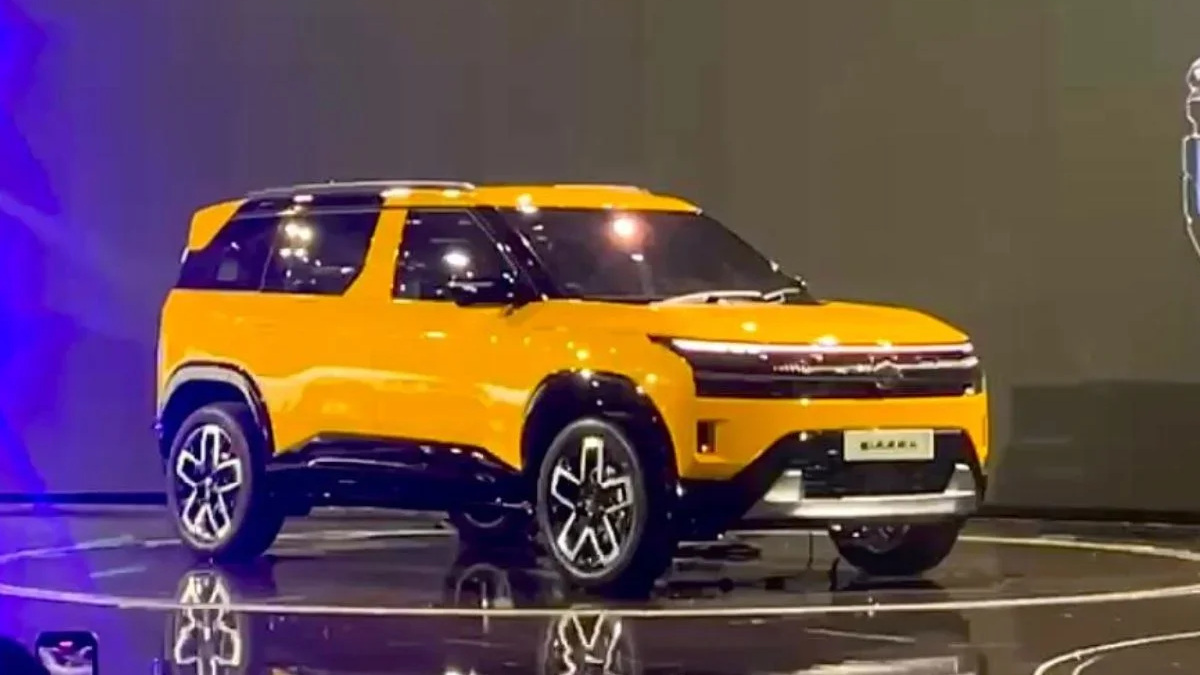
For modern city life, an electric Nano could be a very good fit. Small and easy to move, compact, easy to manoeuvre, and low running costs would make it a wonderful choice for urban commuters. The car would be the perfect option to buy for first-time buyers who are coming from scooters, families who want a second vehicle, and for everyday usage in the city, making it an affordable vehicle for travel within a city environment.
Interestingly, the Nano platform has already been compatible with electric technology in the past. Tata Motors and Coimbatore-based Jayem Automotives had previously collaborated on the electric version of the Nano, the "Jayem Neo," which was developed for commercial fleet use. While never being a mass consumer product, it proved that the Nano’s compact shape could be used with electric powertrains.
If Tata Motors were to try to revive the Nano as an EV, it would likely take a complete redesign rather than a simple version of the original model. Safety standards have evolved so rapidly; crash-test requirements, pedestrian protection standards, and consumer expectations have changed as well. Today's buyers expect features such as multiple airbags, touchscreen infotainment systems, smartphone connections, advanced driver assistance features, and premium interiors even in entry-level vehicles.
Industry experts believe a future Nano EV would be marketed as an intelligent urban mobility solution rather than as a cheap car. That would allow Tata Motors to draw on the strong emotional appeal of the Nano brand while avoiding the perception issues that plagued the original model.
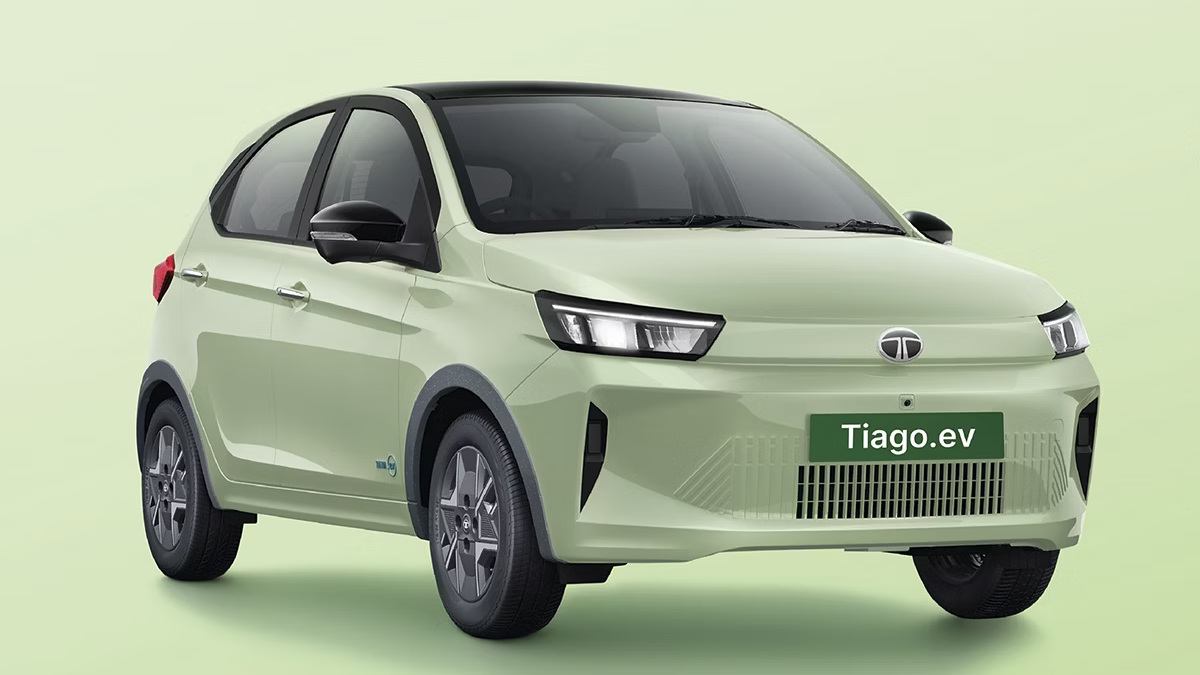
Tata Motors already has a broad range of electric vehicles, including Tiago EV, Punch EV, Nexon EV, and Curvv EV, so it could be that a Nano EV could sit below the Tiago EV as the brand’s most accessible electric option. A compact electric vehicle that has a range of around 180–250 kilometres with fast-charging support is ideal for people who live in the city.
And the Nano EV is not in the works right now. But the popularity of the Nano brand is still high, and the huge growth of India’s electric vehicle market is so fast that it might well be a story that the iconic brand is going to be one of the most fascinating in the country’s automotive world in the future.