Volkswagen is preparing to expand its SUV fleet in India with a new model based on the Kylaq, with its new vehicle expected to arrive around 2027. The new SUV is likely to play a key role in Volkswagen India’s product strategy as the company wants to extend its reach into one of the fastest-growing automotive segments in the country.
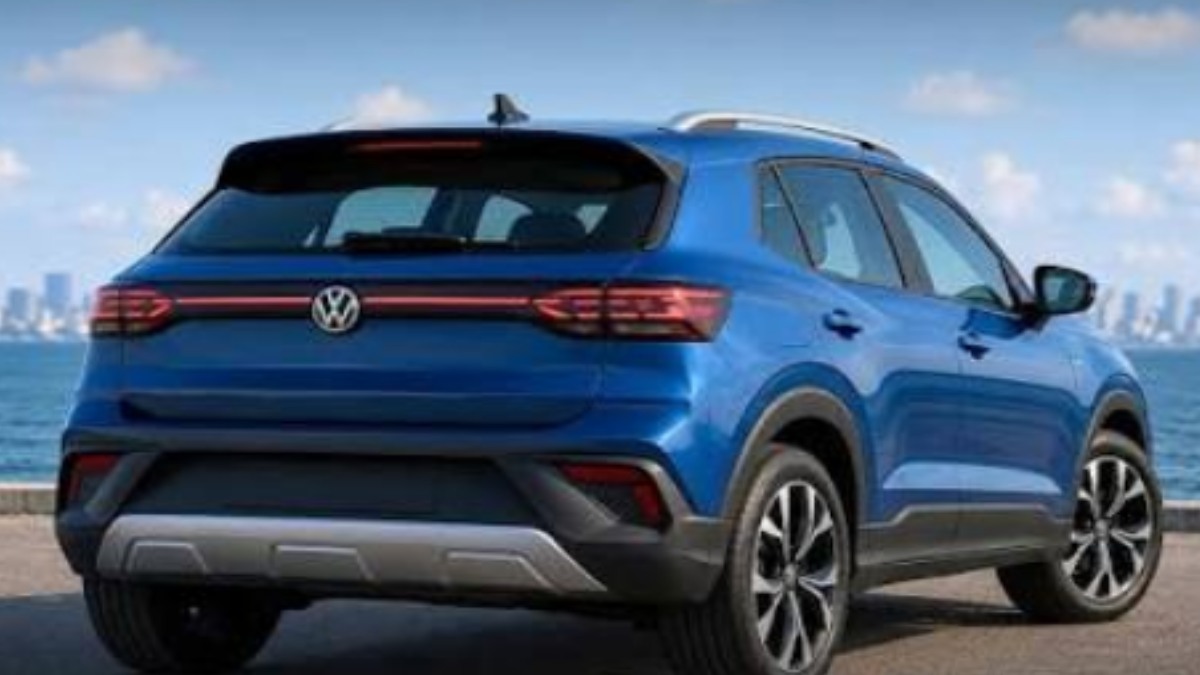
With compact SUVs still gaining popularity as they offer practicality, a high ground clearance, technology and urban-friendly features, the new Volkswagen will take on established models such as Tata Nexon, Hyundai Venue, Maruti Suzuki Brezza and Kia Sonet.
The new SUV will share its underlying structure with the Volkswagen Kylaq, which was developed specifically for the Indian market under Volkswagen Group's India 2.0 strategy. Using an existing platform can help Volkswagen achieve greater economies of scale and allow engineers to develop a model with its own exterior styling, cabin design and positioning. The new vehicle could therefore bring the familiar Volkswagen design philosophy to a slightly different interpretation of the compact SUV formula.
The Kylaq itself has become an important product for Volkswagen in India. Positioned below the Taigun, it gives the German manufacturer a presence in the highly competitive sub-four-metre SUV segment. European-inspired design and technology and mechanical components have been integrated into the product to suit the Indian market. A future SUV based on the same architecture could build on this and cater to consumers looking to buy a different style of body or a different way of owning a compact SUV.
The 2027 time frame is particularly important given that Volkswagen will be using the upcoming years to expand its product range in India. The Indian market is more and more dependent on SUVs and many new customers are looking to SUVs as a replacement for hatchbacks and sedans which offer a more commanding driving position and a more flexible interior space. Compact SUVs are popular as they have many SUV characteristics without becoming excessively large for city driving.

Design-wise, the new model should have a clear Volkswagen look and feel and not resemble the Kylaq. The company could offer a more distinctive front-end treatment and lighting and also have a different body shape to give the new SUV an identity as a whole rather than just a rebranded version. Details on final design, dimensions and name will come out closer to launch.
The cabin is also likely to garner a lot of attention. Today’s Indian customers are looking forward to connected technology, touchscreen infotainment, digital displays, automatic climate control, multiple airbags and a complete suite of convenience features even in compact SUVs. Volkswagen could use the new model to offer a new interior experience while keeping the driver-centered and premium feel of its cars.
Powertrain specifications for the upcoming SUV have not been finalized, but its relationship with the Kylaq means Volkswagen could use a turbo-petrol engine and transmission family to build its own powertrain. The Kylaq is powered by a 1.0-litre turbocharged petrol engine, and a related powertrain strategy would help to control development and production costs. However, Volkswagen's product strategy and emission norms for the 2027 model will most likely determine the final specifications for the vehicle.
There is competition for Volkswagen to contend with. Tata Nexon has become one of the most popular compact SUVs in India and the Hyundai Venue, Maruti Suzuki Brezza, Kia Sonet and Mahindra XUV 3OO have many others to choose from. Competition will be intensified with new entrants as well as with the latest products. Volkswagen will have to provide a compelling combination of design, driving dynamics, features, pricing and ownership experience.
Pricing will be just as important. Volkswagen has traditionally positioned itself as a premium brand in the mass-market segment, but the compact-SUV market is very price-sensitive. The company will have to balance the cost of premium features and engineering with competitive pricing if it wants the new model to generate meaningful sales volumes.
The new SUV could also benefit from Volkswagen’s increasing focus on localised production. Greater localisation can help manufacturers control costs and make products more suitable for India’s market. Localisation will be part of the company’s future India portfolio.
The upcoming Volkswagen SUV could be another European-branded option in the crowded compact-SUV market. Consumers who value driving dynamics, design and brand identity may be attracted to the new model. Its arrival in 2027 would also give Volkswagen an opportunity to incorporate newer technologies and customer expectations that emerge over the next few years.
While several details remain under wraps, Volkswagen's confirmation of a new Kylaq-based SUV represents an important development for the Indian market. The vehicle will enter a segment where demand remains strong and competition is fierce. If Volkswagen can combine its distinctive design and driving character with competitive pricing and modern features, the upcoming SUV could become a significant addition to its Indian portfolio.
As the launch approaches, more information about the SUV's name, design, dimensions, engine options, features and pricing is expected to emerge. The confirmed 2027 timeline gives buyers another compact SUV to consider, in addition to the Tata Nexon and other popular models in the segment.