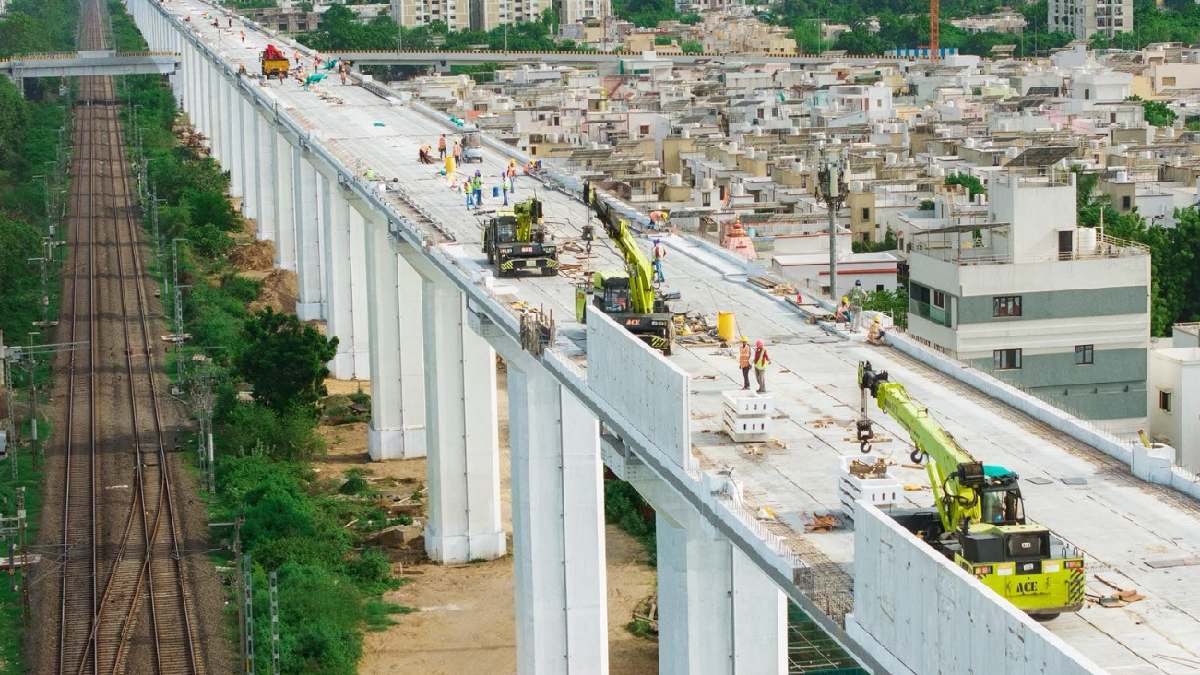
The Statue of Unity was once at the centre of a heated debate over whether spending thousands of crores on a huge monument was justified. Dhruv Rathee also questioned the project’s economic viability in his analysis of its first year, comparing its construction cost with the revenue generated from tourism.
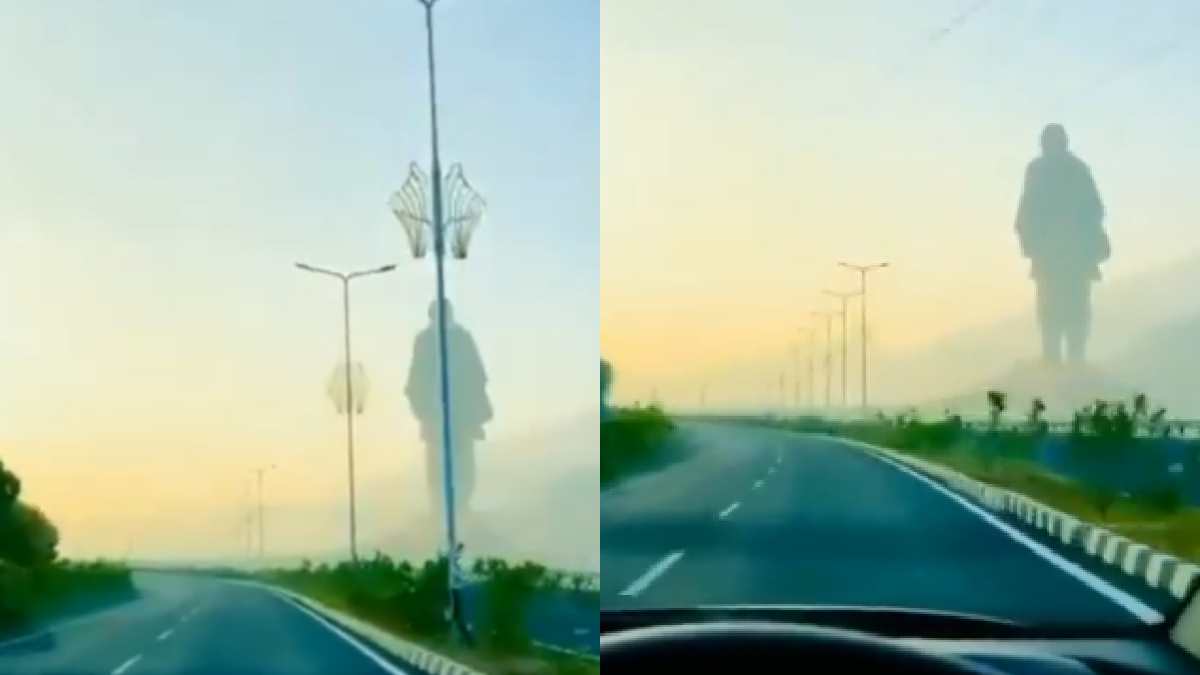
Years later, Kevadia’s story has been very different. The Statue of Unity has become the focal point of a much more complex tourism ecosystem in Gujarat’s Narmada region that draws tourists, businesses, and local residents to the city, creating business opportunities.
The 182-metre Statue of Unity, dedicated to Sardar Vallabhbhai Patel, was inaugurated in October 2018. Kevadia has grown along with the monument. Visiting places like the Valley of Flowers, Jungle Safari, Ekta Cruise, Ekta Mall, Butterfly Garden, Glow Garden, and many more have made the place a larger destination rather than a single tourist spot.
Government data gives an indication of the early economic impact. In a 2020 reply in Rajya Sabha, the Ministry of Tourism said approximately 3,000 people were employed in roles including tourist guides, security, animal keeping, operations, maintenance, driving, and photography. There was also a surge of tourist visits to the monument after it opened.
Tourism has also produced demand beyond direct employment. Hotels, restaurants, transport operators, local guides, souvenir sellers, handicrafts, and homestays are all more likely to draw more tourists.
Dhruv Rathee once called The Statue of Unity a “waste of money” 😂
— Radio India 🇮🇳 (@Radio_India_) August 19, 2026
Today, the project has transformed Kevadia- One of the Gujarat’s most backward region into a major tourism hub.
Government figures showed around 3,000 direct jobs and 10,000 indirect jobs created in the early… pic.twitter.com/GvyY4YTPPX
The government has also announced opportunities for tribal youth and local people, like the development of homestays in nearby villages and space for local handicrafts at Ekta Mall.
Visitor numbers have continued to rise as well. In 2022, the government said more than 8 million people visited the Statue of Unity since its inauguration. By 2025, a government release said the site had reached 2.5 crore visitors, and on average, 15,000 people visited on an average day.
The larger lesson is that infrastructure can have an impact beyond the structure itself. Roads, rail connectivity, accommodation, entertainment facilities, and tourism services can create an ecosystem in which visitors spend money across local businesses.
That does not necessarily settle the debate over the original cost of the project or whether every public investment should be measured by tourism revenue. Those are legitimate questions. But the transformation of Kevadia highlights how a significant landmark, when integrated with infrastructure and tourism development, can be an economic catalyst.
What started as a controversial mega-project has become one of India’s most popular tourism destinations. From Kevadia’s point of view, the Statue of Unity is no longer so much a monument as it is a centre of a growing tourism economy.