A Kosovo-born man who worked undercover for US intelligence agencies for years against al Qaeda and other terrorist networks has been arrested by U.S. Immigration and Customs Enforcement (ICE) and is now fighting deportation. Blerim Skoro was arrested by immigration officials at an immigration office in New Jersey after he came in to renew his registration in August, according to reports.
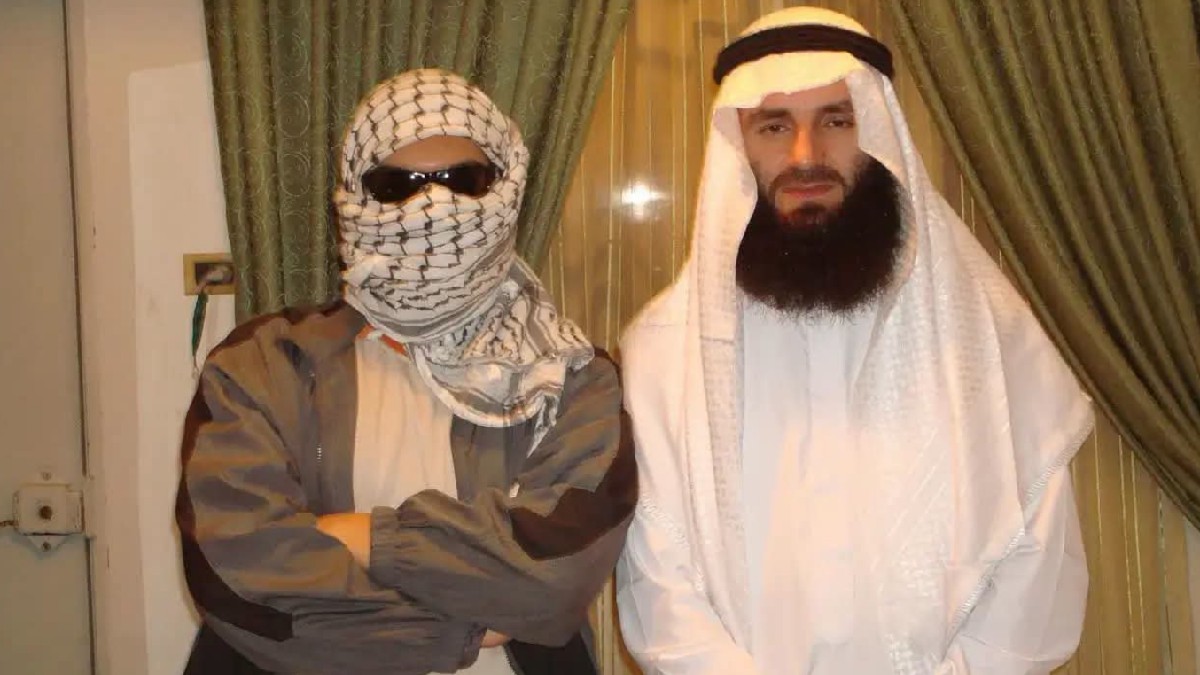
Skoro’s arrest has brought into focus at least for the first time his unusual association with American law-enforcement and intelligence agencies. His lawyers say that deporting him to Kosovo based on the alleged work he did for the United States could place his life in danger. They have approached a federal court to prevent him from being taken out of the country and to be released while his immigration case is being considered.
ICE Detains Alleged Intelligence Informant
According to reports, Skoro arrived at the New Jersey immigration office with his wife Susan, but was detained by ICE officers shortly after checking in. He is currently at the Elizabeth Detention Center in New Jersey, where his lawyers are seeking to challenge the attempt to deport him.
Skoro’s family contends that bringing him back to Kosovo will expose him to severe risks because of his purported collaboration with US intelligence and law enforcement agencies. His wife has said that Skoro put his life in danger while helping American authorities and should be allowed to remain in the United States.
Skoro currently works as a cab driver in Staten Island and has an American wife and children. His lawyers say his long cooperation with US agencies created an expectation that he would be protected from removal.
From Drug Trafficking Conviction To Informant
Skoro’s relationship with US authorities began after he was arrested on a heroin-trafficking charge in 2000. He had arrived in the United States in 1994, having fled the conflict in Kosovo and seeking asylum.
Skoro says he developed contacts with Islamic radicals during his prison term in Pennsylvania. FBI records say he was a confidential informant. In the wake of the attacks of September 11, 2001, his information apparently became more important to US authorities looking at terrorist networks.
While in Federal Correctional Institution in Allenwood, Pennsylvania, Skoro provided information to the FBI about suspected extremist groups during 2002 to 2006. He said his intelligence later became relevant to investigations into Osama bin Laden and al Qaeda.
Heavily redacted FBI documents obtained by CBS News describe some of the information Skoro provided as “actionable” and “reliable.” But few details about his alleged intelligence activities are public since government records are classified or heavily redacted.
Did He Infiltrate Al Qaeda?
The most extraordinary aspect of Skoro’s account is his claim that his cooperation with American authorities continued even after he was deported to Kosovo in 2007.
According to a previous legal declaration, Skoro claims that the CIA recruited him for undercover operations to gather intelligence on al Qaeda from the Balkans. He has claimed that these missions took him to Syria, Lebanon, Jordan, Pakistan, and Egypt.
His lawyers have said his alleged cooperation with the CIA, FBI, and Drug Enforcement Administration was for nearly a decade. They say his work is dangerous and is a direct service to the U.S. counterterrorism and law enforcement effort.
However, Skoro’s alleged intelligence activities cannot be independently verified from publicly available records. Most of the government documentation regarding his work is classified, while other documents have been heavily redacted.
Why Was Skoro Previously Protected?
Skoro arrived back in the United States in 2014, after claiming that his cover had been exposed in Kosovo. He has said he was shot in the leg during an attempted assassination and later returned to the United States through Canada.
His immigration case remained unresolved for years. In 2016, ICE took custody of Skoro after the NYPD arrested him for using his daughter’s discounted public-transit card.
A big win came in November 2022 when a federal judge ruled that Skoro cannot be deported to Kosovo under the Convention Against Torture. It was based on fears that he would be tortured or killed if returned.
The ruling, however, did not give Skoro permanent US residency or citizenship. His attorneys are now arguing that the previous protection must be taken into account before the government can remove him from the country.
Lawyers Challenge Deportation
Skoro’s attorneys Rene Kathawala and Amy Greer filed a habeas corpus petition in federal court on August 4, a day after his arrest. They are seeking to block his deportation until the immigration status and previous protection is resolved.
Skoro has told reporters from detention that he fears being sent back to Kosovo. His case ultimately hinges on how courts interpret the protection he had enjoyed under the Convention Against Torture and whether immigration authorities have the legal authority to proceed with his removal.
The case also raises more questions about how Americans deal with former informants and other alleged intelligence assets whose immigration situations don’t appear resolved. And people who help American agencies conduct sensitive investigations may be at significant risk if their identities or previous activities are known in their home countries.
Case Comes Amid Wider Immigration Crackdown
Skoro’s detention comes at a time when the Trump administration is going all out more aggressively with immigration enforcement and deportation efforts. The danger he faces in Kosovo, his lawyers say, is directly linked to his assistance to US authorities.
Earlier this month, ICE also deported a group of Mexican nationals who had previously received deferrals of removal under the Convention Against Torture. Their deportations were made after Mexico provided assurance of their safety, the immigration department said.
Skoro’s lawyers are now trying to convince the federal courts that his circumstances need similar scrutiny, particularly because of the alleged intelligence and counterterrorism work he says he carried out on behalf of American agencies.
For now, Skoro is in ICE custody in New Jersey as his legal struggle continues. The proceedings could determine not only if he can remain in the United States, but also how the government must handle people whose immigration status is based on the claim that they have risked their lives serving American intelligence and law enforcement.