
Bengaluru residents could soon have more opportunities to enjoy nature in the future as the Karnataka government is suggesting the development of 15 new tree parks as a part of its plan in Bengaluru and its vicinity. This would provide more green recreational areas, similar in nature to Cubbon Park and Lalbagh Botanical Garden, and make the city more urban while securing the conservation of the existing forest ecology.
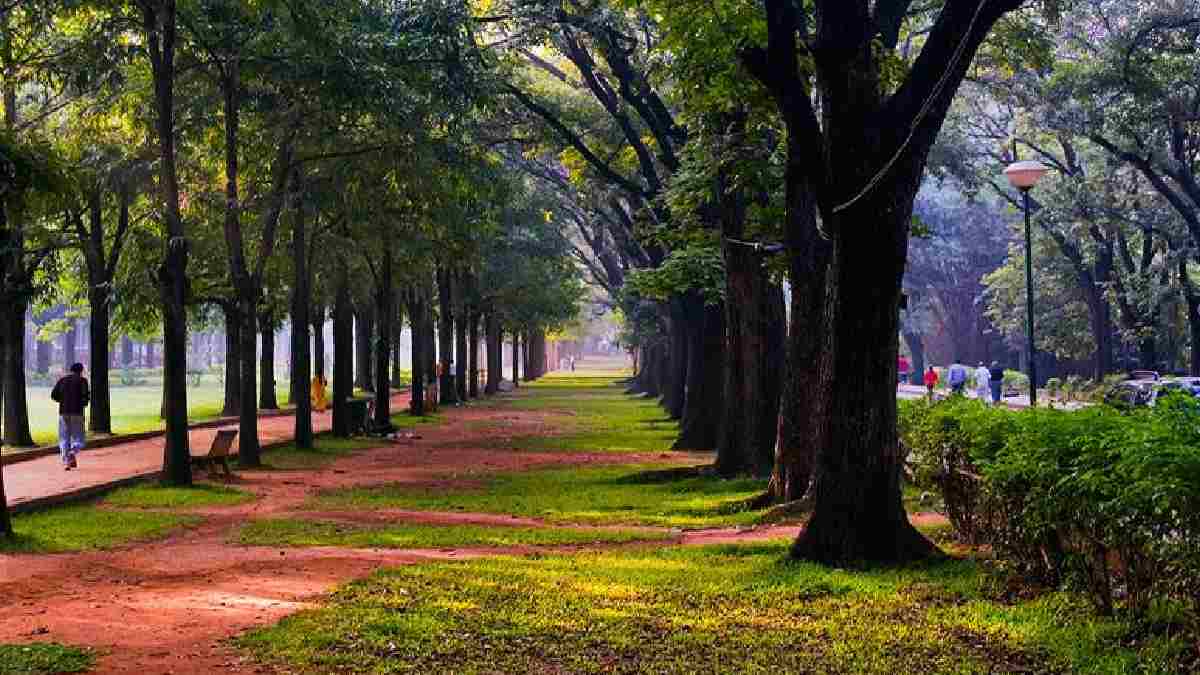
Forest, Environment and Ecology Minister Ramalinga Reddy announced the proposal in an interview with The New Indian Express. The government is preparing a plan to develop 15 tree parks, and nine forest areas were suggested as the first step to form a forest park. The proposal is expected to be taken to the Karnataka Cabinet for approval in six months.
The initiative is planned under the Union Ministry of Environment, Forest and Climate Change’s Nagar Van Yojana, also called the Urban Forest Scheme. The programme aims to promote urban forests and provide city residents with greater access to green spaces.
15 Tree Parks Planned Across Bengaluru
The project will focus on selected portions of reserve forest and deemed forest land in and around Bengaluru. The Forest Department has identified several locations for consideration, like Jaraka Bande Block A and Block D, Mallasandra, Panathur, Kalkere, Mandur, Turahalli Reserve Forest, Turahalli Minor Forest, Doreswamy Palya, Machohalli, and Sulikere.
These are spread out in all parts of the city and its outskirts. If the initiative is implemented, residents would have more chances to spend time outdoors without travelling to established destinations like Cubbon Park and Lalbagh.
But the final site locations and borders of the proposed parks have not yet been confirmed. The government must complete the approval process before details of development plans and access to the public can be given.
Around 3,000 Hectares Could Be Considered
According to the proposal, the Forest Department has identified about 5,000 hectares of reserve forest land and 2,000 hectares of deemed forest land in Bengaluru. Around 3,000 hectares from these categories could be considered for the tree park initiative.
The proposal does not mean that all this land will be opened to visitors. Only selected forest areas would be considered for recreational use, and the rest would remain protected.
Minister Ramalinga Reddy has indicated that development work would be kept to a minimum and that forest regulations would be strictly enforced. The objective is to improve public access to nature without compromising the ecological value of existing forests.
The final area for visitors at each site will have to be approved by design and environmental standards, as well as any applicable regulations.
Native Trees to Replace Eucalyptus
A crucial part of the proposal is the removal of eucalyptus trees and the replacement of native trees in selected areas.
Planting locally appropriate species will help biodiversity, urban green cover, and groundwater recharge, they say. If species are selected and scientifically managed, native vegetation can also provide food and shelter for local wildlife.
Bengaluru has witnessed increasing concerns about water availability and groundwater depletion. The growth of green spaces should help environmental resilience, but the extent of any groundwater benefits would depend on soil conditions, rainfall, vegetation, and long-term land management.
The proposed tree parks are meant to do more than serve as a recreational activity. They could also be part of a larger plan to improve the ecological condition of urban and peri-urban forest areas.
Forest Protection and Legal Approvals Remain Important
When developing recreational facilities on forest land, forest conservation rules and the legal status of each site will be a critical consideration. The permissions required will depend on the land classification and the specific activities proposed.
The initiative would be implemented through an action plan under the Urban Forest Scheme. The final administrative and legal requirements, including all approvals applicable to individual locations, will need to be established before development begins.
Maintaining the natural character of the forest areas will be important. Over-expansion of construction and disturbance to wildlife habitats or poorly designed visitor facilities could undermine the project's conservation objectives.
The government will have to ensure that any paths, seating areas, or other facilities are compatible with forest protection objectives and that public access is managed properly.
Eucalyptus Removal Proposal Also Covers Defence Land
The Forest Department is also considering a proposal to remove eucalyptus trees from land under the Defence Department's control and replace them with native species.
Officials are studying whether the defence establishments might sell the removed eucalyptus timber through the market or to the Forest Department. Any such initiative would depend on the relevant authorities’ decisions and applicable procedures.
The proposal is part of a larger dialogue on vegetation management and the use of locally suitable tree species in Bengaluru.
What the Tree Park Plan Means for Bengaluru Residents
If approved and implemented, the proposed tree parks could give Bengaluru residents more places to walk, spend time outdoors, and experience nature closer to their neighbourhoods. The initiative could also promote environmental awareness as well as urban forest conservation.
With careful site selection, scientific planting, protection of wildlife habitats, and consistent maintenance, it will still be successful. But public access must be balanced with the need for forest ecosystems to be preserved.
The development of 15 tree parks is still a government proposal and will be subject to the approval and planning process of the government. Once the Karnataka government makes decisions, the final locations, park boundaries, facilities, and implementation timeline will be clear.
If the plan moves forward, it could be a significant addition to Bengaluru’s network of green spaces while placing forest conservation at the centre of urban recreational planning.





Comments