
A 26-year-old woman employee at Bengaluru airport has filed a First Information Report (FIR) against an HR manager, the report says. A new way to report harassment with employers has made the case for workplace safety and employee protection more explicit and the processes for reporting harassment are now open.
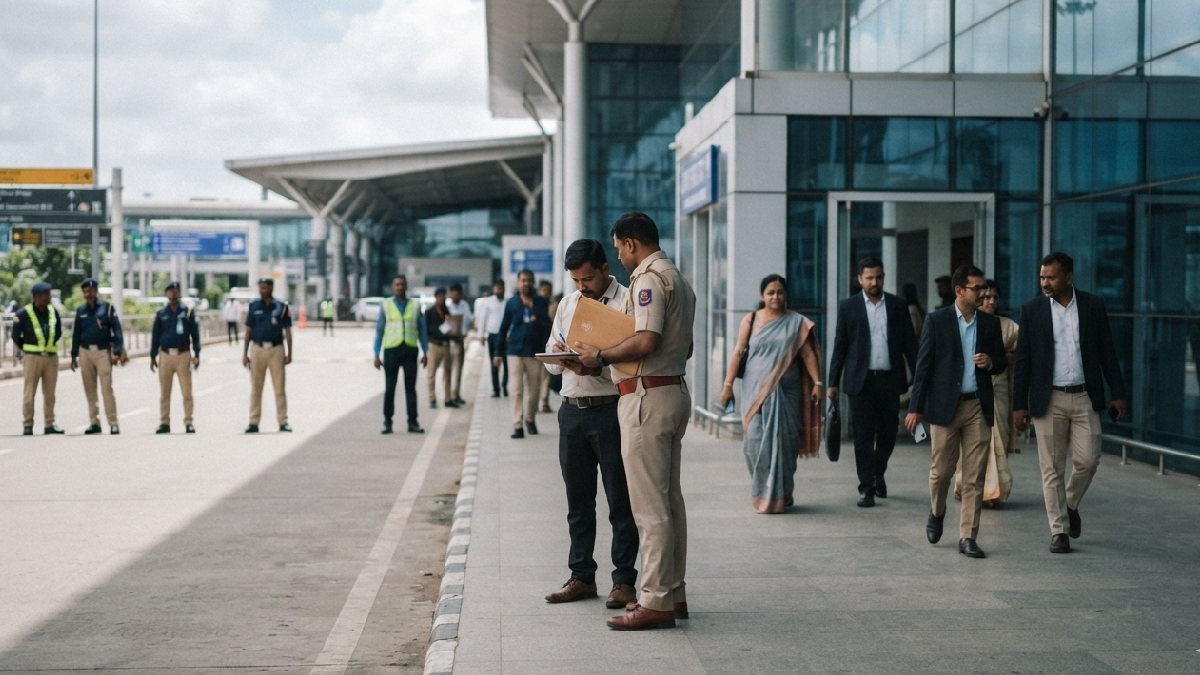
The complaint was made by a woman employed at the airport who accused an HR manager of sexual harassment. After the complaint, police registered an FIR to initiate the legal process and investigate the allegations. Information about the alleged incidents, the date of the complaint, and the specific charges were not provided in the information provided.
An FIR is an important step in the criminal justice process, as it formally records information regarding an alleged offence and allows the police to investigate the matter. But registration of an FIR does not prove that the allegations are true or that the person named in the complaint is guilty. The facts of the case must be established through the investigation and applicable legal proceedings.
FIR Registered Following Woman Employee's Complaint
As the story goes, the woman employee, 26, claimed she had been sexually harassed by an HR manager at Bengaluru airport. The complaint was made to police and an FIR was registered.
Human resources departments are involved in recruitment, employee relations, workplace policies, and dealing with internal complaints. Allegations of an HR representative may also raise concerns about whether employees are comfortable reporting inappropriate conduct and whether complaint-handling mechanisms are easily accessible and impartial.
The police will investigate the allegations made in the complaint and any evidence present. Depending on the circumstances, this may include statements made by the complainant and others, as well as documents that could help establish the sequence of events.
At this stage, the available information does not establish the full circumstances of the alleged harassment. Details such as the location of the alleged incident, the duration of the alleged conduct, and the response of the organisation have not been independently confirmed in the information provided.
Workplace Sexual Harassment and Employee Safety
They also raise the issue of safe working environments for all employees in offices which are large and full of supervisors, managers, contractors, and work colleagues across departments.
Sexual harassment at work might involve unwelcome comments of a sexual nature, or unwanted advances or other behaviour that is not tolerated in the workplace, or may be in violation of that. Workplace personnel should have access to clear reporting channels and should be able to report it without fear of retaliation.
In India, the Sexual Harassment of Women at Workplace (Prevention, Prohibition and Redressal) Act, 2013 (POSH Act) is a law regarding workplace sexual harassment. It requires that eligible workplaces have an Internal Committee as a mechanism to receive and deal with complaints.
It also requires Local Committees to respond to complaints if it is a given that there is no Internal Committee at a given workplace.
Internal workplace complaint processes and criminal investigations are different processes in themselves. Depending on the nature of the allegations, a matter may need to be acted upon under workplace policy, the POSH Act, and relevant criminal law.
Employers are required to ensure that they have rules and guidelines in place, they are communicating reporting procedures, and complaints are addressed. All employees need to be trained, and information about their rights and what steps are available to them.
Importance of a Fair and Transparent Investigation
Once an FIR has been registered, investigators will review the available evidence and statements to arrive at the truth. The process can involve questioning the relevant people, reading the evidence, and taking further action as is permitted by law.
The privacy and dignity of the person who has raised the complaint are of utmost importance. If complainants are not told about the identifying information in advance, then people who report workplace misconduct may be drawn into the public eye. There should be no personal information that is not relevant to the public understanding when reporting a case.
At the same time, a fair process demands that allegations be based on evidence and legal procedures. The accused is entitled to due process, and no inference about guilt should be based on FIR registration only.
The organisation’s response, if confirmed, may also be relevant to understanding whether workplace safeguards were followed. But any report about disciplinary action, suspension, or internal proceedings should be based on verified information rather than speculation.
What Happens Next?
The next steps depend on the police investigation and the evidence available to the authorities. Investigators may record statements, check what we have, see what records we have, and determine if any other legal action needs to be taken. Any further developments will have to be confirmed through official police statements or reliable reporting.
The available information does not indicate whether the HR manager has given a response, whether any internal inquiries have been started, or whether the organisation has announced any preventive measures. These details should be verified before being included in subsequent updates.
The case serves as a reminder of the importance of workplace accountability and effective complaint mechanisms. Employees must know how to report alleged misconduct, while employers have to make sure that the complaints are handled promptly, sensitively, and in accordance with applicable law.
The FIR is the start of the formal investigation into the allegations of the Bengaluru airport employee and HR manager. Details will be provided once the inquiry is completed. Until the facts are known through due process, the allegations should only be taken as allegations and not as evidence of wrongdoing.







Comments