
A woman and a man got into a confrontation on Bengaluru’s Namma Metro after a video of the incident went viral on social media.
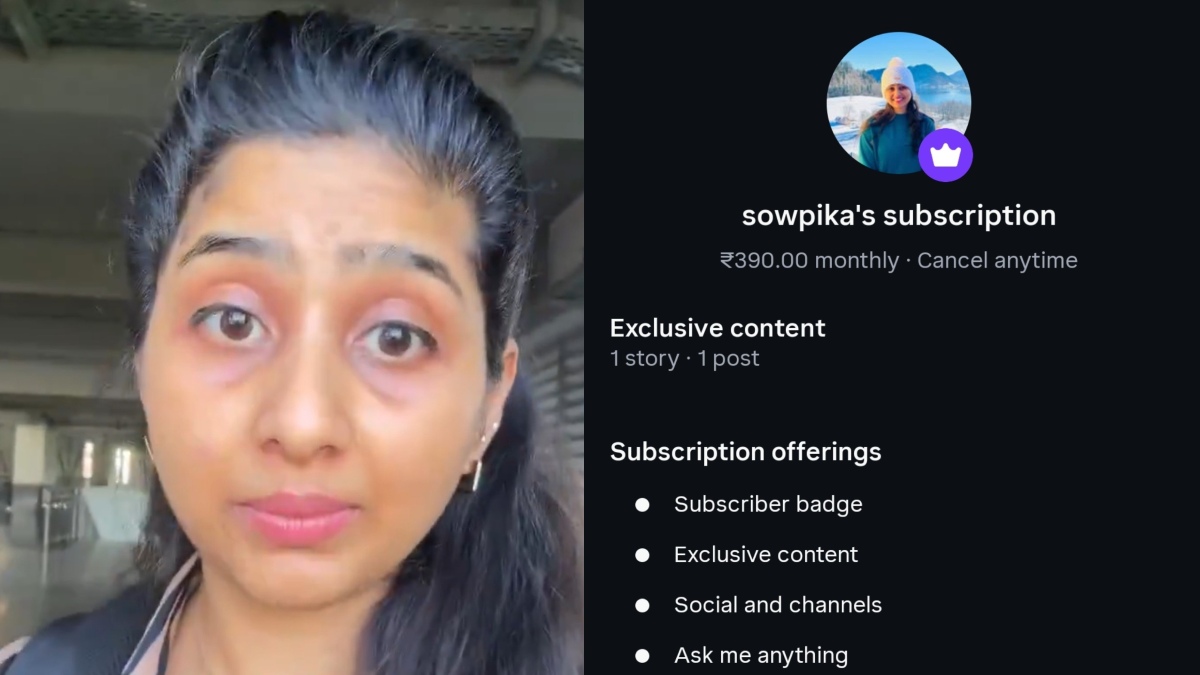
Sowpika (Instagram name) claimed that a fellow passenger had secretly recorded her while she was travelling in Purple Line near Whitefield-Kadugodi around 4:30 pm on October 27.
A police complaint was lodged and First Information Report (FIR) registered. The controversy has since gone beyond the alleged recording incident social media attention, online subscriptions, privacy and responsibilities of content creators have been discussed.
Sowpika was on Purple Line when she allegedly saw a man filming her on his mobile phone. She confronted him and kept asking why he was filming her without her consent.
Videos posted on Instagram showed the two passengers having an intense exchange, with the woman demanding that the man unlock his phone and show her the alleged recording. Metro security personnel were also present during the confrontation.
In the video Sowpika was visibly distressed and said she was shaken by what had happened. She also spoke about comments about her clothes saying that when the alleged incident took place she was fully covered.
The confrontation reportedly continued inside a Metro lift where again she asked him why he had allegedly recorded her. He is heard apologising at one point but denies that the apology meant he admitted recording her. The video went viral online.
Sowpika later alleged that the man tried to get off when the train reached a station. She said she managed to grab his phone and handed it over to Metro security but he took it back and left.
She approached authorities and posted video of the incident on social media for action her video got several users talking about safety of passengers and stronger measures against privacy violations on public transport.
After the video went viral Bengaluru City Police took cognisance of the complaint and said an FIR had been registered. The case was registered at Kadugodi police station and investigation started into the incident.
DCP Saidulu Adavath reportedly told reporters that teams of police have been formed to trace the person involved and CCTV footage from Metro station was being examined.
Later reports identified the man sought by police as Santosh T a software engineer working for a private technology company. But initially (Oct 28) those reports said he had not been traced and police teams were looking for him.
The account provided above says Santosh K T denied allegations, got bail and handed over his phone for forensic examination but these are later developments from the police updates and the outcome of the forensic examination has not been independently established in the reports cited here.
Meanwhile the incident has also sparked debate about Sowpika’s social media activity. Online details state that her Instagram following went from around 5,000 to 27,000 within a day after videos got attention.
Claims of ₹399 monthly subscription have also been criticized by some social media users (who wondered when she launched the paid offer and whether controversy helped it grow).
Followers increase and subscription details have not been independently verified through news reports available for this article. Criticism of a creator’s online activity should be kept separate from an investigation into the original privacy complaint.
The incident has also reignited the debate on privacy in public spaces crowded public transport systems like Namma Metro.
Passengers use their smartphones to record videos, take photographs and create social media content all the time but filming another person (violating his/her privacy or harassment) is serious legal and ethical issue too.
Moreover viral video may not show the whole sequence of events so police investigation and evidence examination are needed before conclusions can be drawn.
The controversy also shows how much social media has come to influence public reactions to incidents. A short video can get thousands of comments, make a creator more visible and put people involved in a dispute under intense public scrutiny.
Sharing experiences does help draw attention to alleged wrongdoing but online users shouldn’t identify people, threaten or harass before facts are known.
The Bengaluru Metro case is still in the news and central questions are whether or not recording actually took place, what will be found out when the phone’s forensic examination takes place and what action authorities take based on evidence.
The FIR and investigation will help establish facts but separate debate about Instagram subscriptions and follower growth continues online.

Comments