
The Bengaluru tunnel road project has seen a major design change as the Karnataka government ruled out the use of Lalbagh Botanical Garden land for construction. Bengaluru Urban Development Minister Krishna Byre Gowda said the tunnel road will not pass through Lalbagh and alternative routes outside the garden are being studied.
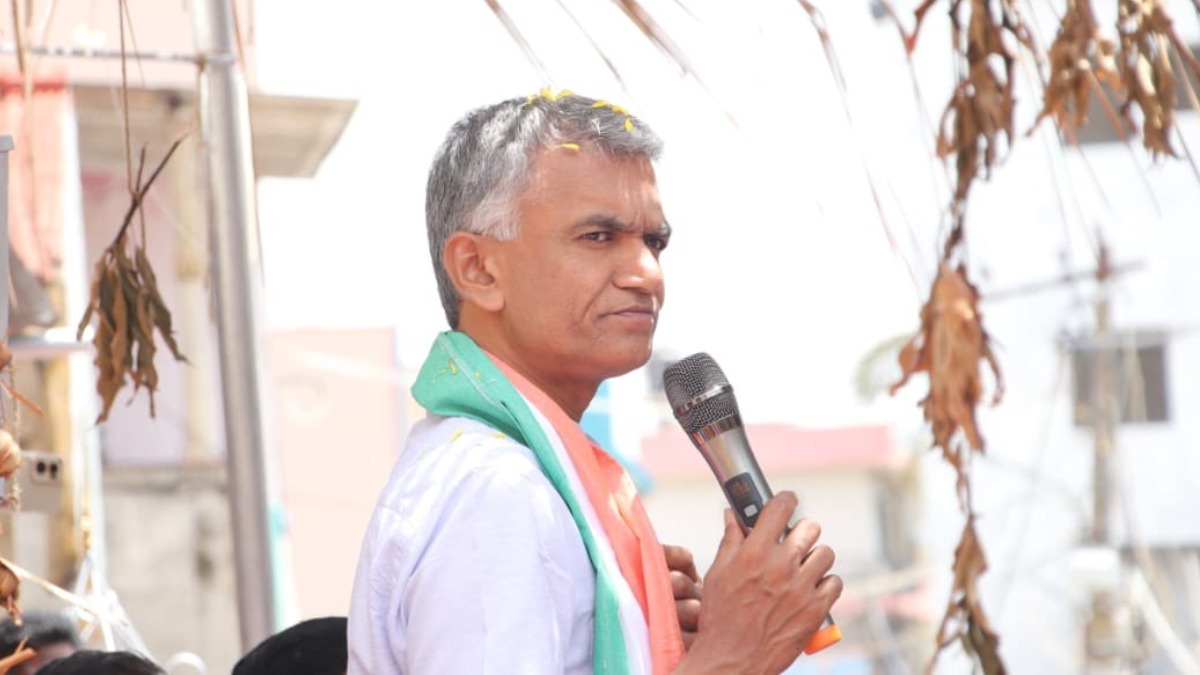
The decision follows concerns from environmentalists, citizens and political leaders that the project could harm Lalbagh’s trees, historic rock formations and ecological environment.
The government is now looking at alternative alignments so that the tunnel road project can proceed without disturbing the iconic green space.

Why Was the Lalbagh Tunnel Road Route Opposed?
The tunnel road is part of the Karnataka government’s drive to decongest Bengaluru traffic. It will link Hebbal and Silk Board (two major traffic corridors in the city).
However, the original route design caused concern because of its impact on Lalbagh Botanical Garden.
Lalbagh is one of Bengaluru’s most important green spaces — historic trees, lake, botanical collection and geological formations. Environmentalists and citizens feared construction would destroy it.
Bengaluru South MP Tejasvi Surya and others had also objected to the plan and demanded that the government protect the garden while planning major infrastructure projects.
Following public opposition, the government has decided to look at other routes.
Two Alternative Routes Under Consideration
The Minister Krishna Byre Gowda said that route alignment is being revised so that the tunnel road remains outside Lalbagh.
We are currently surveying two road options and will assess technical feasibility, road connectivity, space available for construction, and impact on surrounding neighbourhoods.
The final alignment will be decided after the survey and technical evaluation are completed.
The government has said Lalbagh land will not be used, but the exact alternative route is yet to be decided.
Tunnel Road Cost May Increase, But Toll Rates Will Not
Changing tunnel road alignment could increase the overall project cost. Technical work (additional), revised designs and construction requirements may also affect the schedule of the project.
However, Krishna Byre Gowda has said that the additional cost will not be passed on to motorists in higher toll charges.
The minister has said toll rates will not go up even if the new route makes the project more expensive. The government will bear the additional cost.
He has also said that the state government plans to give around ₹7000 crore for the tunnel road project.
The government has reportedly asked the Chief Secretary to meet contractors and find out ways of reducing cost.
Why Protecting Lalbagh Matters
Lalbagh is not just a park for recreation. It’s an ecological asset — one that helps Bengaluru achieve its green cover and gives residents a natural space to live in.
Thousands of people come here for morning walks, exercise and the botanical attractions. Historic trees, the lake, and distinctive rock formations also make it part of the city’s heritage.
Opposition to the original tunnel alignment reflected wider concerns about how infrastructure development could be reconciled with environmental protection.
What Happens Next?
The government still has to complete its survey and select the most suitable alternative alignment before it can approve the revised tunnel road design.
Details about the final route, revised project cost, and construction timeline are still awaited.
For now the government’s assurance that Lalbagh land will not be used is a positive development for environmentalists and residents worried about its future. The challenge then will be to find a technically viable route to Bengaluru’s traffic problems that protects its valuable green spaces.

Comments