
A political controversy from January 2010 has come back into the spotlight after social media users recalled former Prime Minister H.D. Deve Gowda’s reported use of the phrase “bl00dy b@$tard” against then Karnataka Chief Minister B.S. Yeddyurappa as he criticized Congress president Mallikarjun Kharge for remarks on Prime Minister Narendra Modi. The old incident is now being recalled in online exchanges among Union Minister H.D. Kumaraswamy, Deve Gowda’s son.
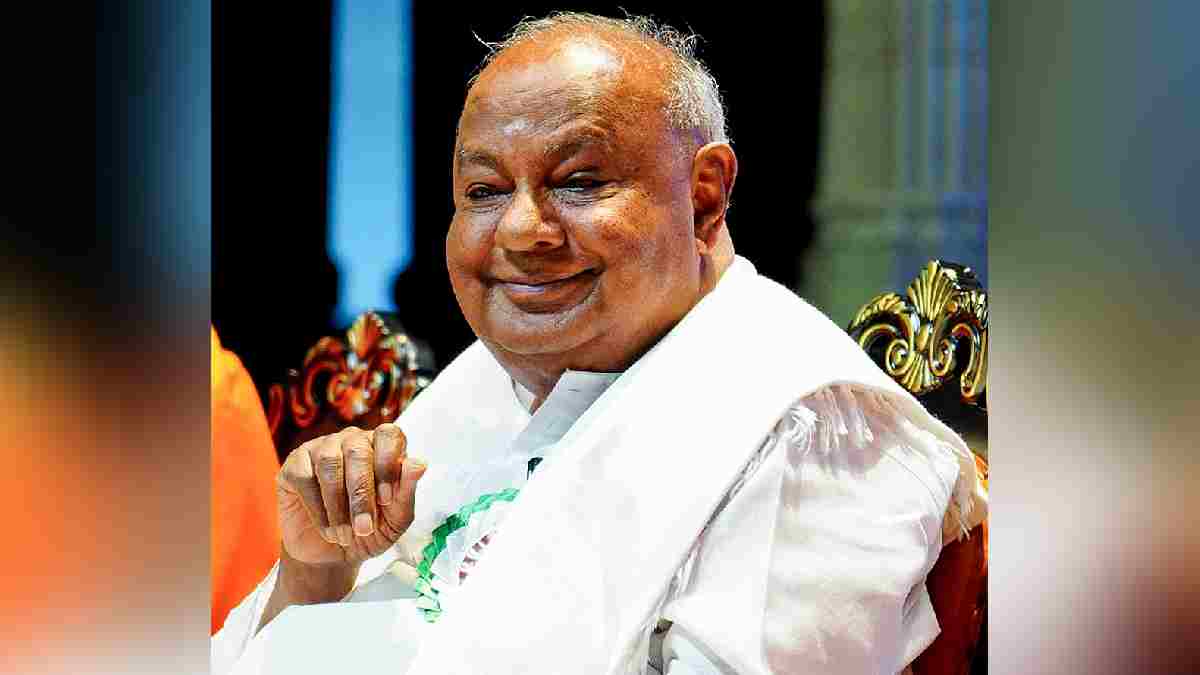
The episode has reignited political decorum, consistency, and the language senior leaders in public life use.
Why is Deve Gowda’s old Remark Trending Now?
The immediate trigger is the controversy over Kharge’s comments at a public event in Patna on 25 October 2026. During the event on the birth anniversary of Bihar’s first Chief Minister Shri Krishna Singh, Kharge was challenged about the Congress party’s ability to remove Modi from power. His answer, which was about the Prime Minister’s father, was also criticized by BJP leaders and allies.
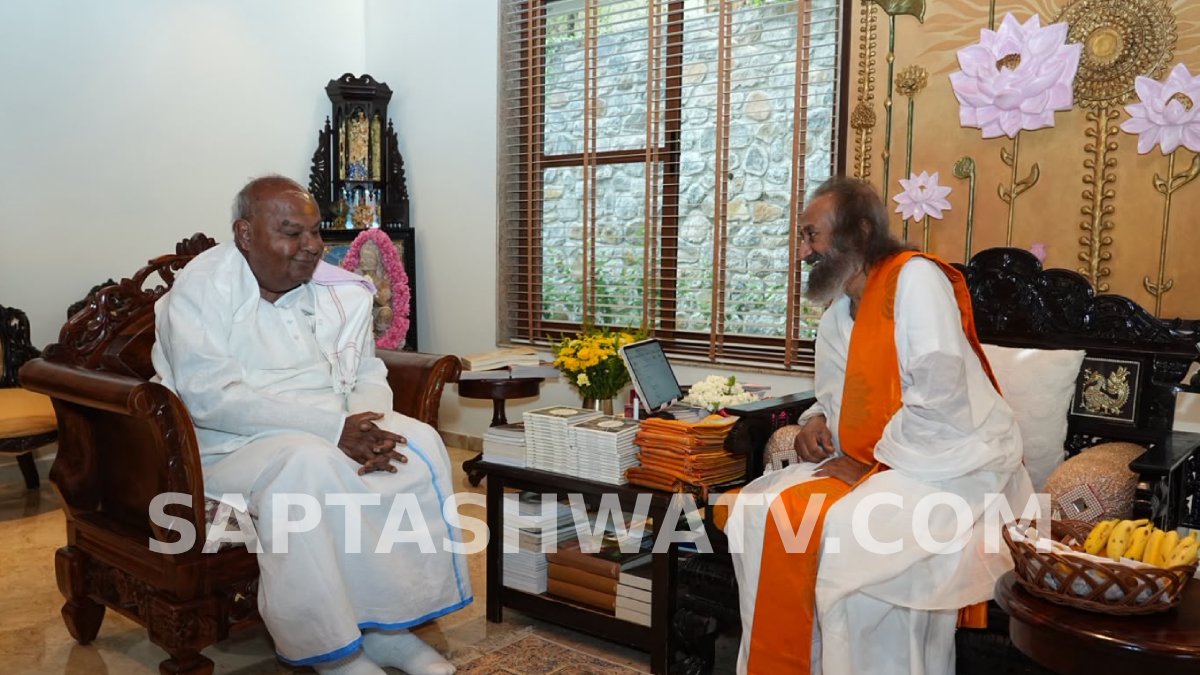
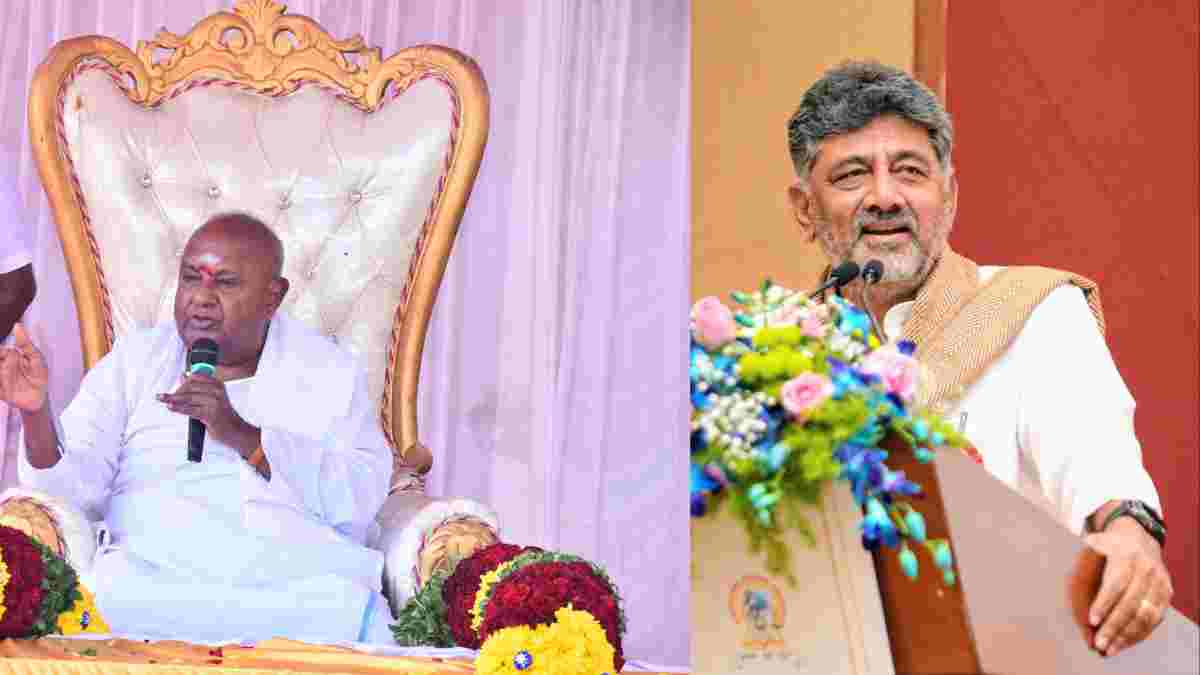
Kumaraswamy criticised Kharge’s language on October 26 and said references to the family of a political opponent were inappropriate and called for an apology to Modi. The comments caused social media users to bring up a previous controversy involving his father.
A post on X directly addressed Kumaraswamy and asked whether he remembered the language attributed to Deve Gowda in 2010. This post raised what the author thought was a question of consistency when political leaders criticize abusive language used by their opponents.
What happened in January 2010?
The original incident occurred in a political dispute over the Bangalore-Mysore Infrastructure Corridor (BMIC) project, a project of Nandi Infrastructure Corridor Enterprise Ltd. Deve Gowda had been participating in a farmers’ protest in Bengaluru and was protesting on behalf of farmers’ land and interests.
On January 10, 2010, an angry outburst from the former Prime Minister was reported, in which he used abusive language to criticize Yeddyurappa. Recent news also linked the dispute to the infrastructure project and farmers.
Yeddyurappa, who was then the Chief Minister of Karnataka, publicly expressed his hurt at the time. The incident was criticized by political leaders and was covered by national media.
Deve Gowda later expressed regret if his words had hurt Yeddyurappa. Moreover, he questioned the interpretation of what his remarks were directed at, and so the context was part of the argument.
Hello @hd_kumaraswamy, In January 2010, Your father, former Prime Minister H.D. Deve Gowda publicly used an abusive remark 'bl00dy b@$tard against then Karnataka Chief Minister B.S. Yeddyurappa. Remember? https://t.co/5CmbVjXQPG
— Mohammed Zubair (@zoo_bear) October 26, 2026
A Debate Over Political Decorum
The renewed interest in the episode has illustrated how older statements can re-enter public debate when politicians call out the language of rivals. Supporters of Kumaraswamy might point to his criticism of Kharge’s remarks about Modi, while critics are seeking to address whether the same standards are applied in all political parties and families.
The two incidents were different and involved different political disputes. But social media users are comparing them because they are personal remarks directed at political opponents and their families.
The debate also illustrates the growing influence of the archived news reports and old video clips on current political debate. Statements made years ago can be revived instantly once a new controversy hits the news scene.
Social Media Reactions Put Old Political Clips Back in Focus
The renewed circulation of Deve Gowda’s remark shows how social media can connect political events that are more than a decade apart. Historical incidents are not limited to news archives but are often used to challenge present-day statements and call political leaders to account.
Whether the comparison is fair depends on how people interpret the context of each incident. What is clear is that the 2010 episode is now part of the current discussion about public language and political standards.
But the bigger question is whether political leaders of all parties will have the same expectation of restraint and respect when it comes to public debate, no matter who says what or whom they are attacking.



Comments