
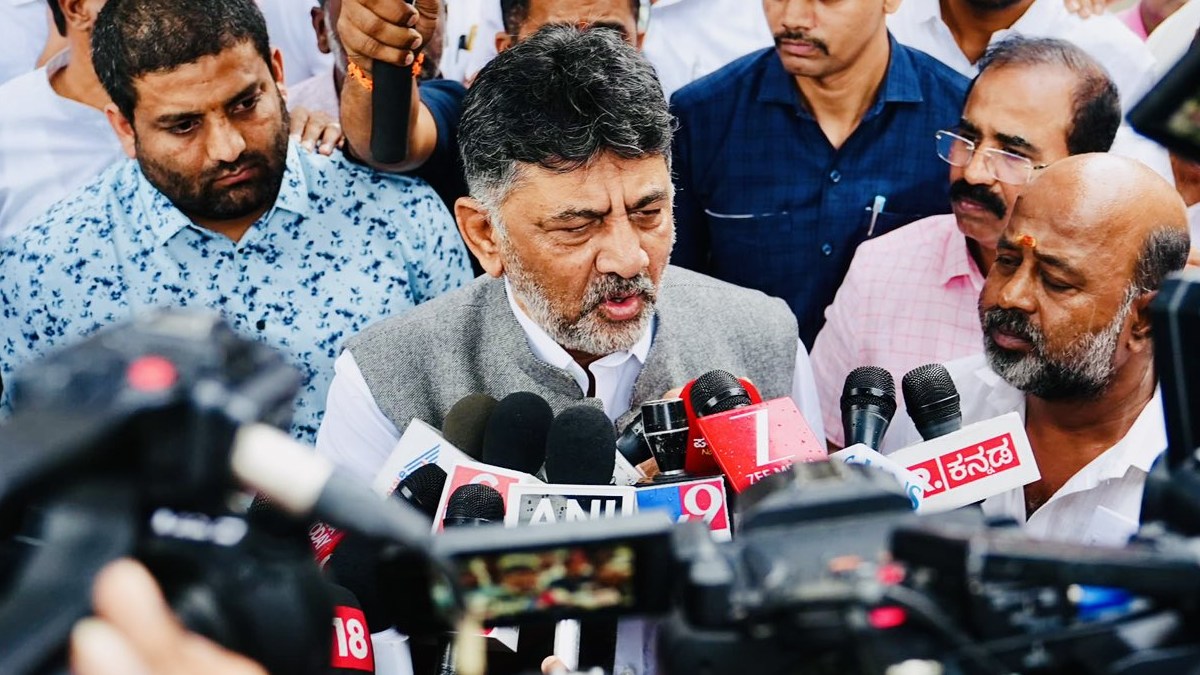
Karnataka’s Deputy Chief Minister DK Shivakumar has made the state’s water-related problems more serious from shortages in the Cauvery and Tungabhadra river systems to farmers’ concerns on the Mahadayi issue and the need for a coordinated response to drought. He told the media in Bengaluru that the government needs to develop an action plan to solve the problem as deficient rainfall is further adding to farmers’ hardships.
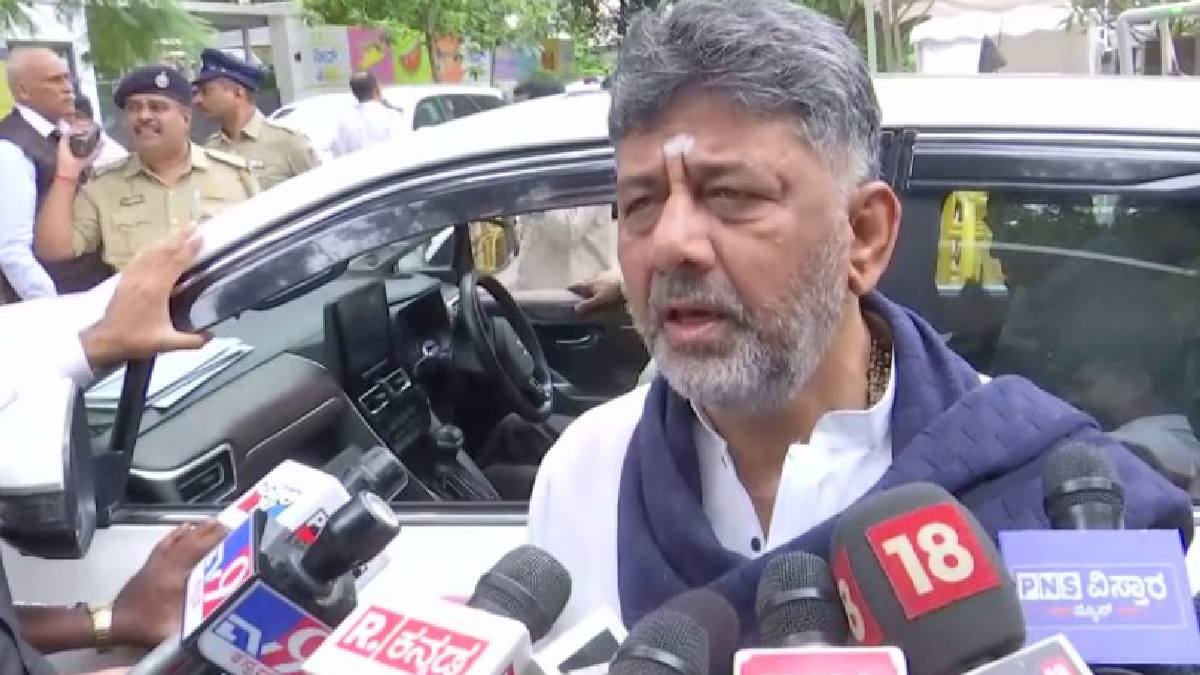
The Deputy Chief Minister’s comments speak to the various water-management challenges in Karnataka, where agricultural needs, drinking water needs and disputes between neighbouring states are often related to them. The government needs to engage with the Union government and other states to resolve the situation and find solutions to farmers’ problems, he said.
Shivakumar also said that a meeting with Prime Minister Narendra Modi and Union Home Minister Amit Shah would be important to address drought-related concerns. The state government will examine the demands made by other states in connection with drought and the procedures followed by the Centre before taking further action.


Mahadayi Issue Remains a Concern for Farmers
Shivakumar said farmers raised the Mahadayi matter, highlighting that there is still a need for water from farmers who felt water availability for agriculture in Karnataka is still an important issue for agriculture in Karnataka. The Mahadayi dispute is a sensitive issue since the Mahadayi river dispute has been a sensitive issue, particularly because the river water must be diverted to meet the needs of the state’s drought-prone areas.
Farmers depend on reliable water supplies for cultivating crops, maintaining livestock and paying for farming costs. If rainfall is insufficient, the irrigation needs will become more pressing, and river water allocation and infrastructure will have to be considered more and more.
The Deputy Chief Minister’s comments suggest that the government is under pressure to tackle several water-related problems simultaneously. In the Mahadayi case, the legal and inter-state arrangements are relevant to the solution, but the bigger challenge is how water resources are managed in order to meet competing needs.
Discussions With Andhra Pradesh Over Water Concerns
Shivakumar also pointed to discussions between Andhra Pradesh and said he asked the Chief Minister of Andhra Pradesh to hold a meeting either in Andhra Pradesh or Karnataka. He added that water availability was limited in Andhra Pradesh as well, so the problems were not limited to Karnataka alone.
In his words, dialogue between neighbouring states is of utmost importance to solve water shortages and agricultural needs. Discussions can help governments to understand each other’s needs, evaluate the availability of water resources and develop a regional framework for water supply and provide for regional needs.
But the Deputy Chief Minister also mentioned concerns regarding the release of water into channels and said water distribution and irrigation systems remain important issues. Water management is about not just water in rivers and reservoirs and how it is stored and how water is delivered to agriculture, but also the infrastructure to get it to farmers.
Cauvery and Tungabhadra Water Shortages Raise Concerns
Shivakumar specifically referred to the lack of sufficient water in the Cauvery and Tungabhadra systems. They are major sources of water for Karnataka, supporting agriculture and other basic needs to be met in various parts of the state.
The Cauvery river system is essential to the water needs of southern Karnataka and the Tungabhadra system serves agricultural areas in the northern and central parts of the state. Shortages in these river systems can be problematic for farmers and irrigation needs are more urgent when the rainfall is below expectations and the demand for irrigation increases.
Water availability can also depend on reservoir storage and rainfall and inflows and competing demands. In such scenarios, governments need to take inventory of what is available and determine distribution and conservation.
Shivakumar’s comments make clear there are both short-term shortages and long-term water security needs in the strategy. Irrigation efficiency, reservoir monitoring, distribution channels and planning for low rainfall are the best ways to help reduce the impact of water stress.
Karnataka Government Prepares for Drought Planning
With lack of rainfall an issue, Shivakumar said Karnataka needed a clear plan of action to tackle drought. He also said that a government team had formed to study the demands made by other states in terms of drought-related matters.
He added that another central team would need to be sent as part of the process. The state government has also appointed new officers and discussed its own schemes together with Central government programmes.
These assessments are crucial because drought-related assistance generally involves weather, agricultural losses, water availability and the needs of affected communities. In fact, coordination between state departments and central authorities can make sure that when making decisions on relief and assistance, we have evidence that it is very important.
The appointment of officers and the formation of a team indicate an administrative effort to study the requirements and prepare for discussions with the Centre. However, the specific officers appointed, the details of the assessment and the timeline for the proposed meetings were not provided in the remarks shared.
Centre’s Role in Addressing Drought and Water Issues
Shivakumar’s proposal of meeting with the Prime Minister and Union Home Minister indicates Karnataka’s intention to take its concerns to the national level. The state’s water problems are related through drought preparedness, inter-state coordination, irrigation problem management and assistance for farmers.
The government will need to assess immediate requirements and also to take steps to improve resilience against future water shortages. Better coordination of departments, transparent assessment of water availability and timely communication with farmers would have to be the strategy.
For farmers, the key issue remains access to water and the right level of support when the rainfall is poor. This will be based on the findings of the government’s assessment and the discussions with the Centre and with neighbouring states.
Shivakumar’s comments put water security and drought preparedness firmly on Karnataka’s agenda, with the Mahadayi issue, Cauvery and Tungabhadra shortages, and farmers’ demands emerging as important priorities for the state government.








Comments
Leave a Comment