
Karnataka Deputy Chief Minister D.K. Shivakumar has recalled an interesting moment from his recent metro journey with Prime Minister Narendra Modi in Bengaluru the PM himself bought his metro smart card and ticket.
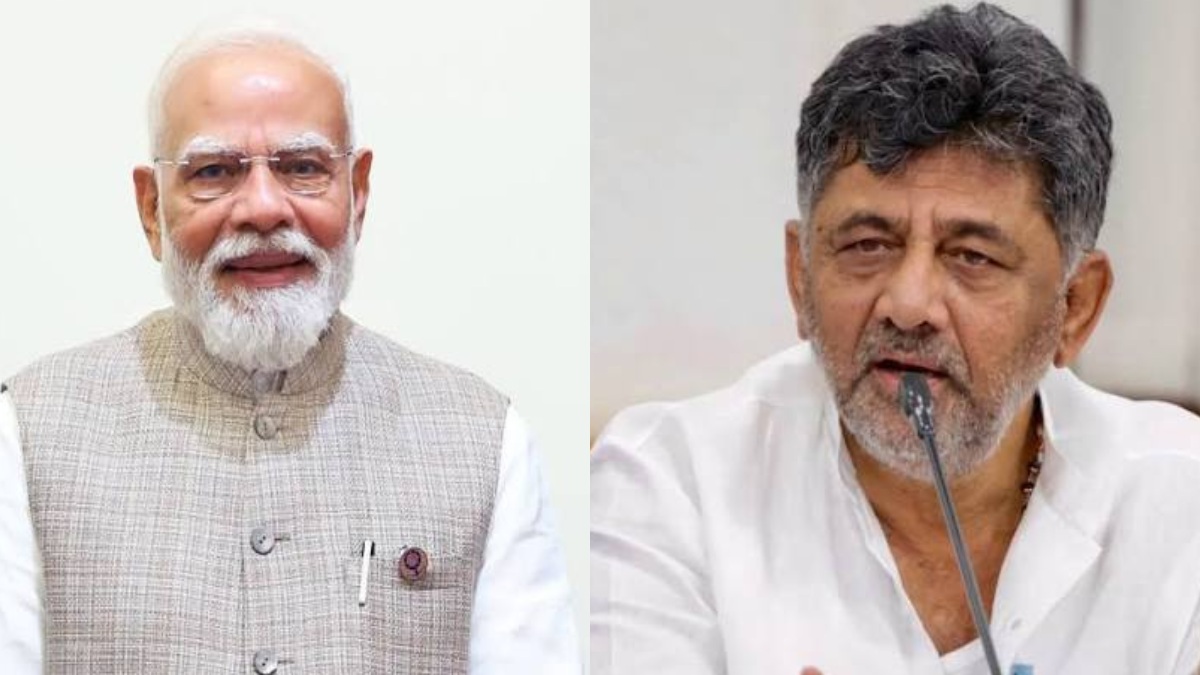
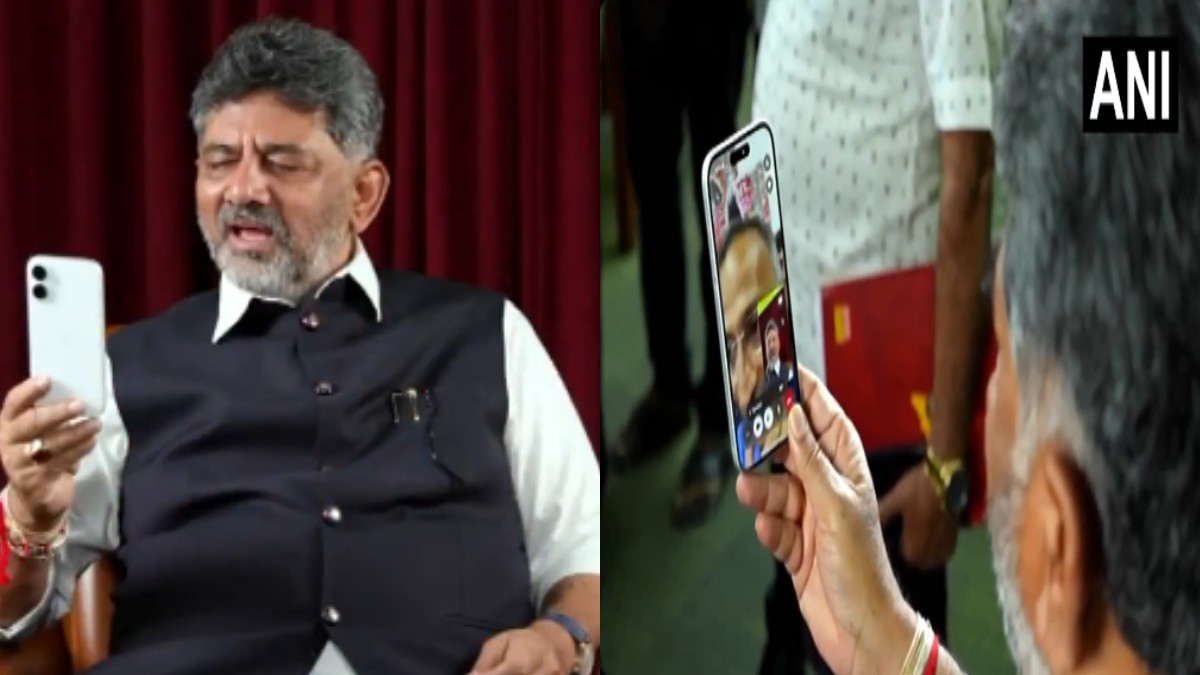
“On November 14 we were going to travel on Namma Metro but I did not have money with me so when he asked me to sit and prepare for travelling on Namma Metro, I jokingly asked him to buy my ticket also,”
Shivakumar said recalling how it turned into a memorable interaction during the high-profile visit. He used the opportunity to talk about Karnataka’s development priorities, Bengaluru’s growing metro network and need for more financial support from the Centre Government among others.
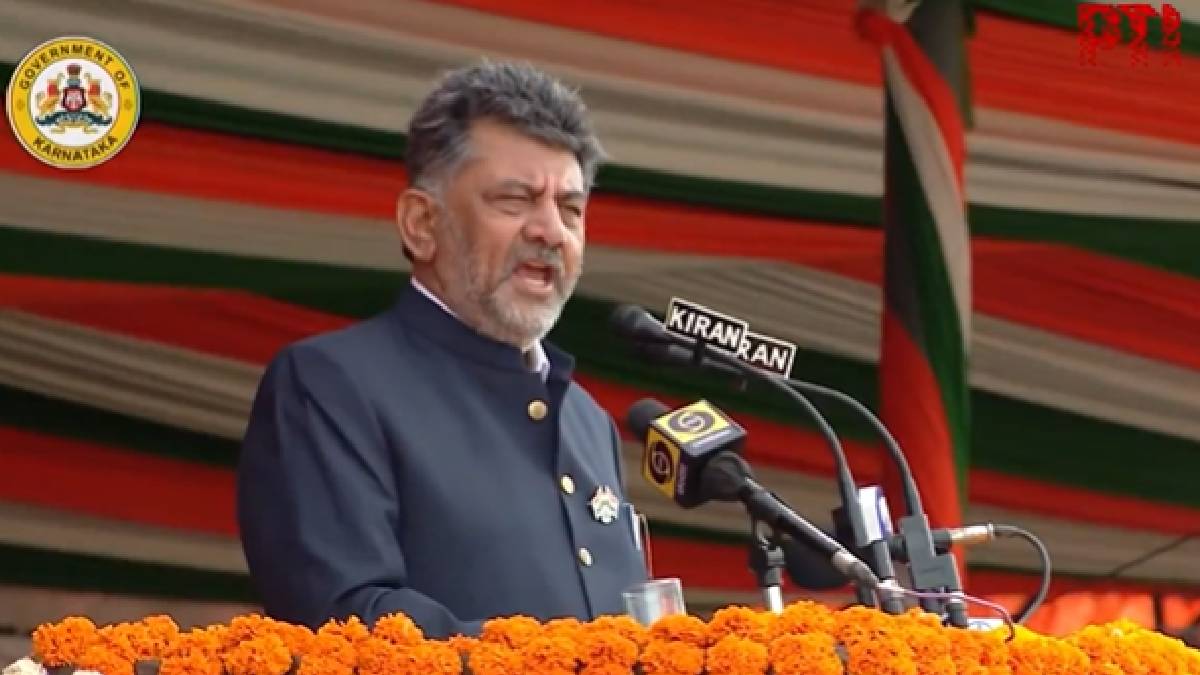
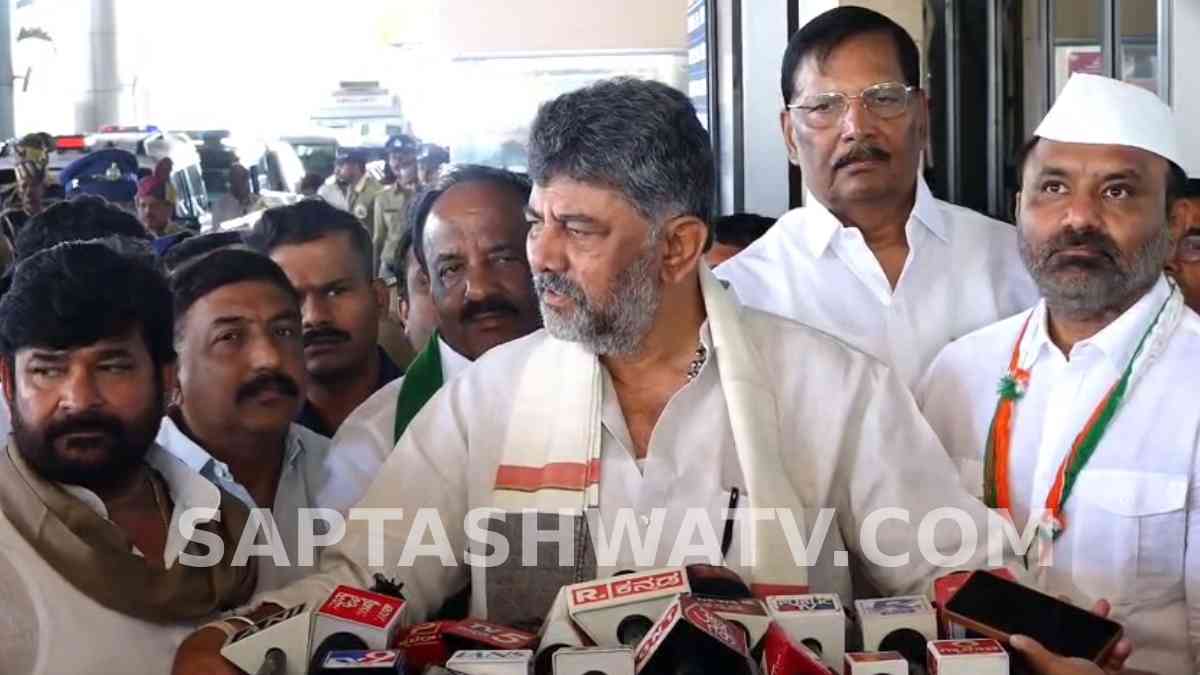
Prime Minister Narendra Modi visited Bengaluru on November 13 and inaugurated the elevated section of Namma Metro Pink Line before travelling on metro. Shivakumar accompanied him during the journey.
Talking about it the next day, the Deputy Chief Minister said he did not have money to buy ticket then so he requested Modi to buy his ticket also. “Modi bought smart card,” Shivakumar said adding that he even showed the card to media when narrating the incident. The light hearted exchange got attention as it gave a glimpse into how leaders from different political parties interact during an official development programme.
Apart from the memorable metro ride, Shivakumar said Central and state governments need to cooperate on infrastructure projects. “Political differences should not come in the way of public development.
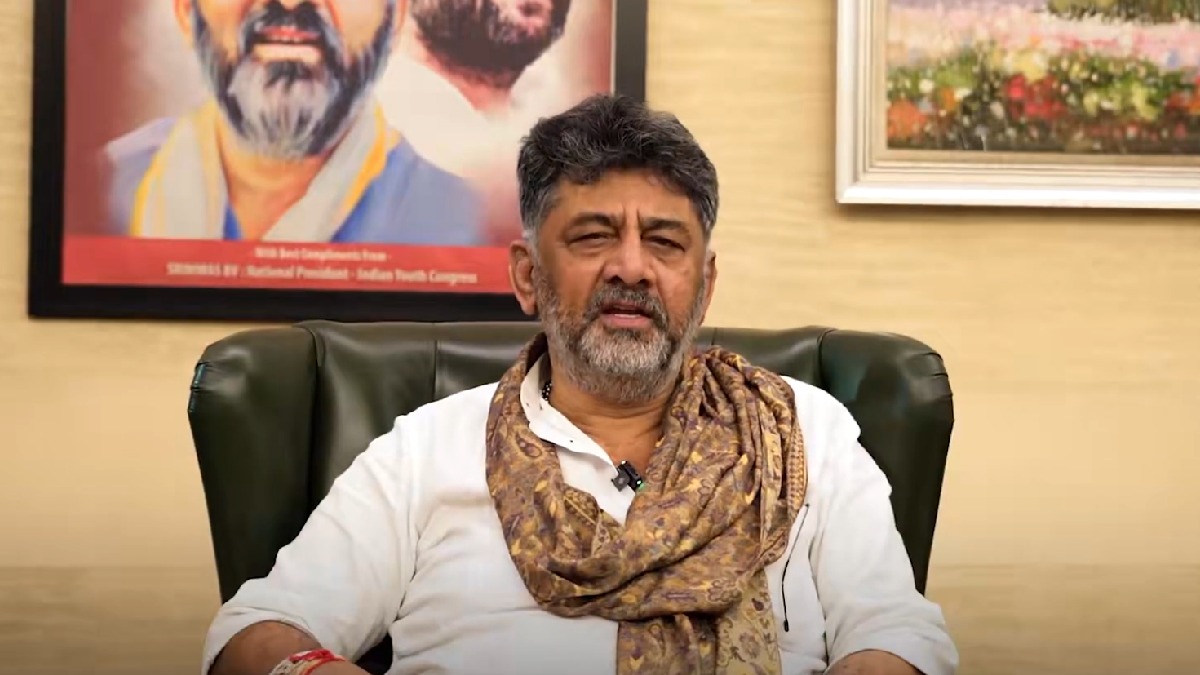
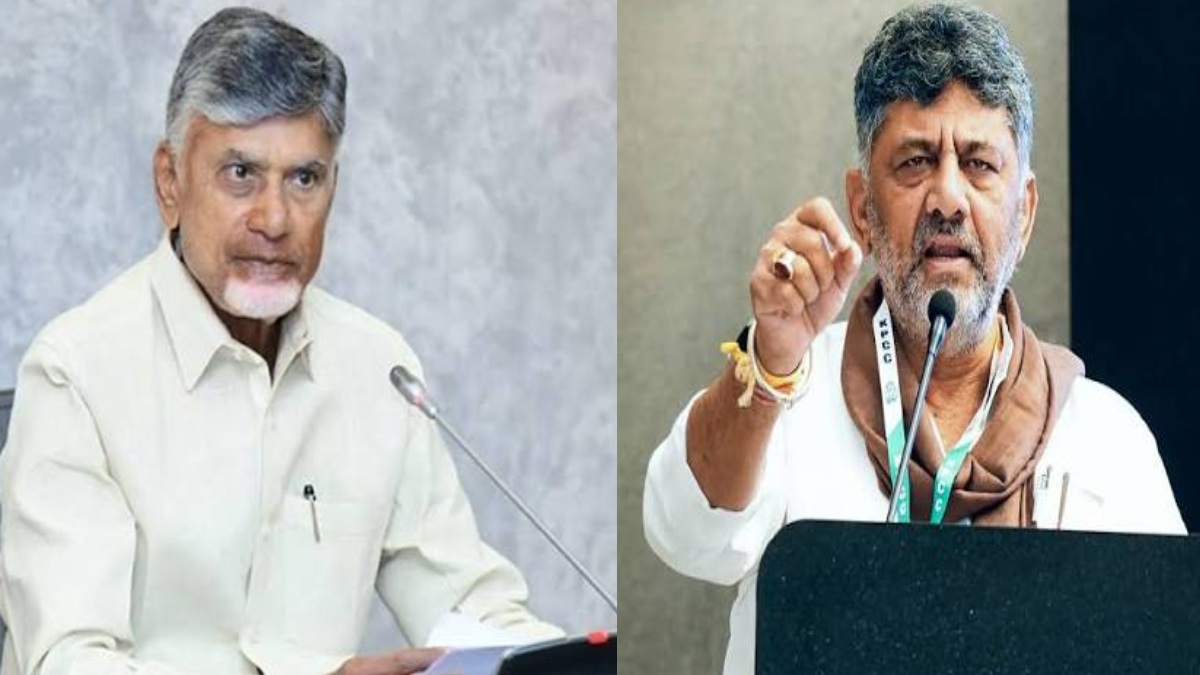
Governments have to work together when it comes to improving facilities for citizens because elections are about political competition but public service and infrastructure development require cooperation,” he said. He also said Karnataka is one of the major tax-contributing states of India and requested Prime Minister Modi to give more financial assistance to Karnataka.
One of the issues he reportedly raised was the proposed expansion of Bengaluru’s metro network to around 500 kms over the next few years. The city is growing rapidly and people are looking for reliable public transport.
Metro connectivity is seen as an important solution to traffic congestion in Bengaluru (residential and commercial developments are spreading towards city outskirts). Expanding the network can improve connectivity, reduce dependence on private vehicles and make daily commuting easier for thousands of residents.
Shivakumar also complained about the financial burden of metro construction. Though the funding for metro projects is generally a 50:50 between the Centre and state governments, he said Karnataka ends up shouldering several other expenses land acquisition, shifting of electricity and water utilities to state level taxes, repayment of foreign loans and cost increases during construction etc.
These expenses make the financial burden on the state heavier than what the headline funding arrangement says so he wanted more equitable sharing of project costs and faster approvals for metro infrastructure proposals in future.
The Prime Minister’s Bengaluru visit also saw the inauguration and foundation-laying of development projects worth more than Rs 15,600 crore (as per information about the programme).
The biggest highlight was the 7.5 kilometre elevated section of Namma Metro Pink Line between Kalena Agrahara and S.G. Palya which was constructed at an estimated cost of around Rs 3470 crore. With this stretch added, operational length of Bengaluru’s metro network went up to about 103.6 kms. Public travel on the newly opened stretch began from November 14 it improved connectivity along an important part of city.
The visit also saw the launch of Bengaluru-Mangaluru-Madgaon Vande Bharat Express. Railway station redevelopment projects in Chamarajanagar, Chikkamagaluru, Sakleshpur and Subrahmanya Road were among other projects covered under this programme.
Renewable energy related electricity transmission projects in Koppal, Gadag and Bidar were also taken up. In Bengaluru the Prime Minister laid foundation stone for a compressed biogas plant which will use waste as resource to improve waste management and promote cleaner energy.
After Bengaluru programmes PM Modi and Shivakumar went to Mysuru together. When journalists asked him what they had discussed on the journey he refused to divulge saying “I can’t tell you what we talked about in private”. He also spoke about support and affection he gets from senior Congress leaders like Rahul Gandhi, Sonia Gandhi and Mallikarjun Kharge. To a question whether everyone likes him he jokingly referred to a remark made by BJP leader B.Y Vijayendra.
In Mysuru Prime Minister inaugurated COSMOS Mysuru Planetarium at University of Mysore campus near Chamundi Hills as India’s first LED dome planetarium. The tilted dome is 15 metres in diameter with 6,150 LED panels (4.2 crore LEDs) on them. Unlike a conventional planetarium where projectors are used to project astronomical visuals the new facility uses LED panels across the dome to show images directly. Astronomy education, scientific learning and research opportunities will be supported by this project.
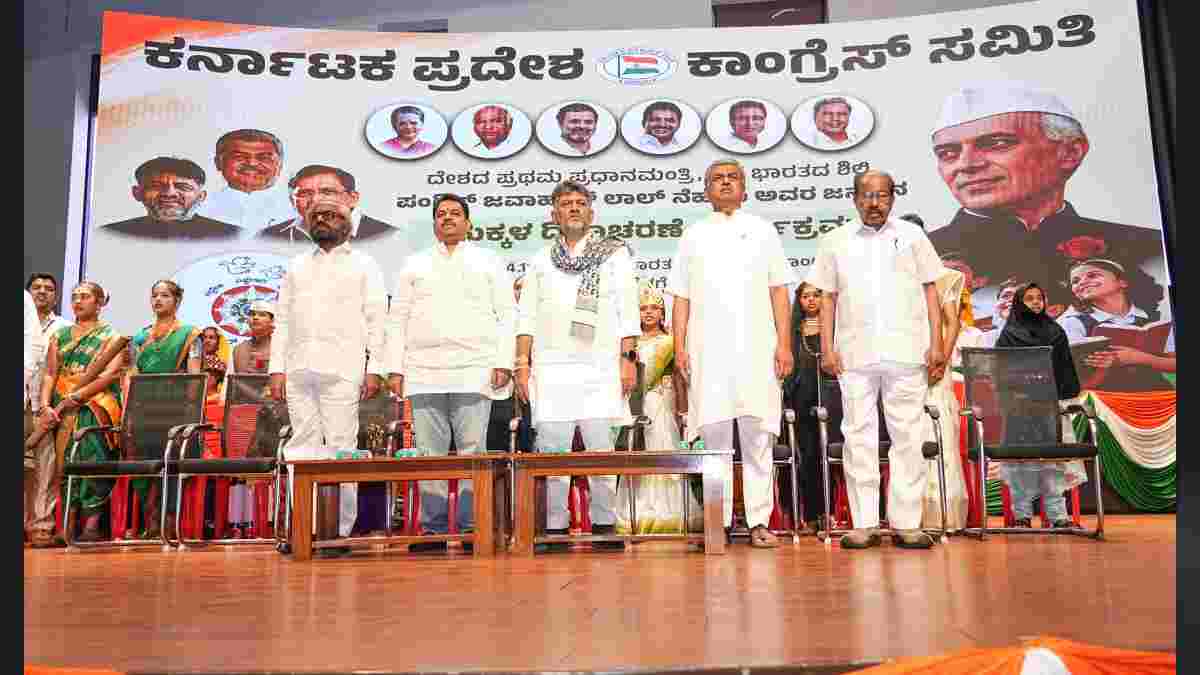
Shivakumar also spoke on children’s education and government school development on Children’s Day (November 14). He asked children to spend less time on mobile phones and more on studies.
He said the government is trying to improve government schools under Namma Shaale Namma Javabdari programme. In first phase, 1000 government schools will be connected with private schools and in subsequent phase it will be extended to another 2000 schools. Private institutions can contribute by giving teachers, computers, laboratory equipment and other facilities to schools.
Shivakumar also referred to the proposal for an additional 7.5 per cent reservation for students who studied in government schools in government employment. But that is not a policy already implemented.
Education was brought back into focus along with the larger infrastructure discussion. His comments after PM’s visit ranged from a light hearted metro ticket incident to major questions about Bengaluru transport future, Centre-Karnataka financial cooperation and public education improvements.

Comments