
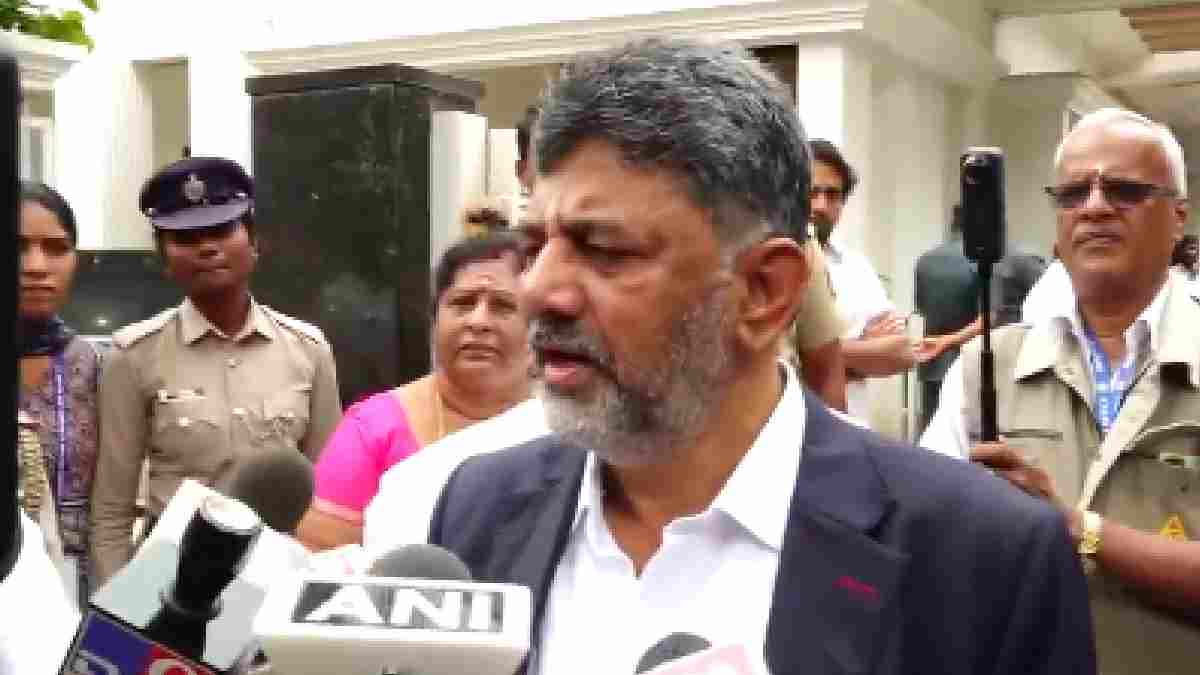
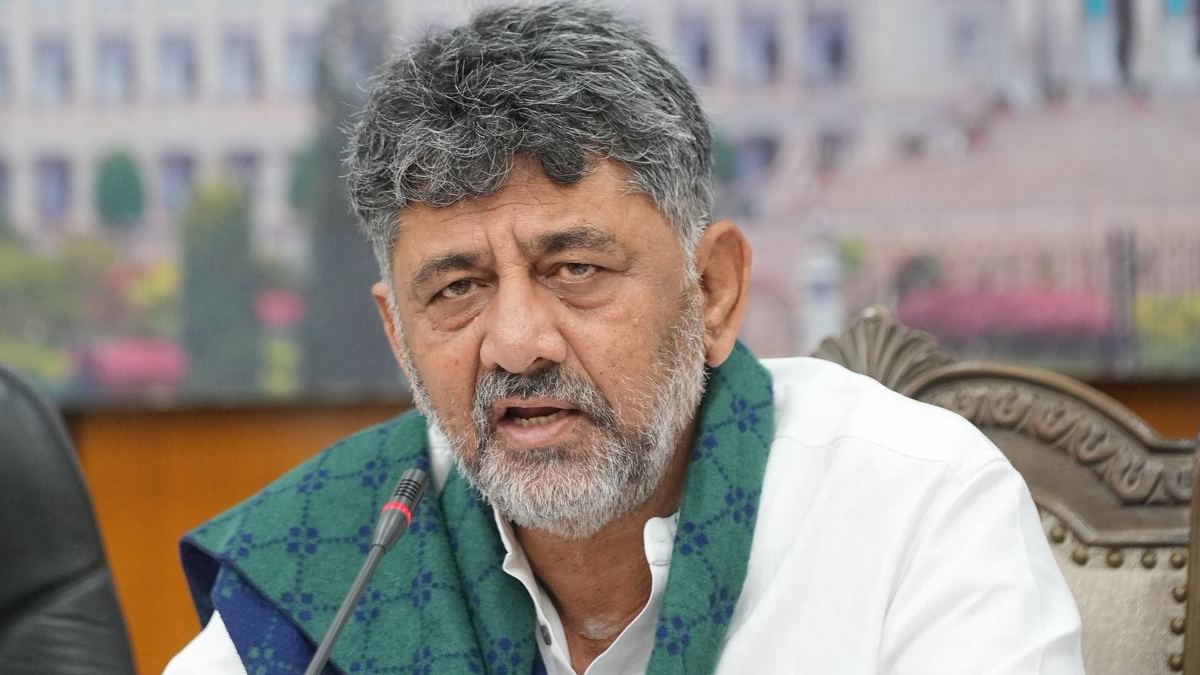
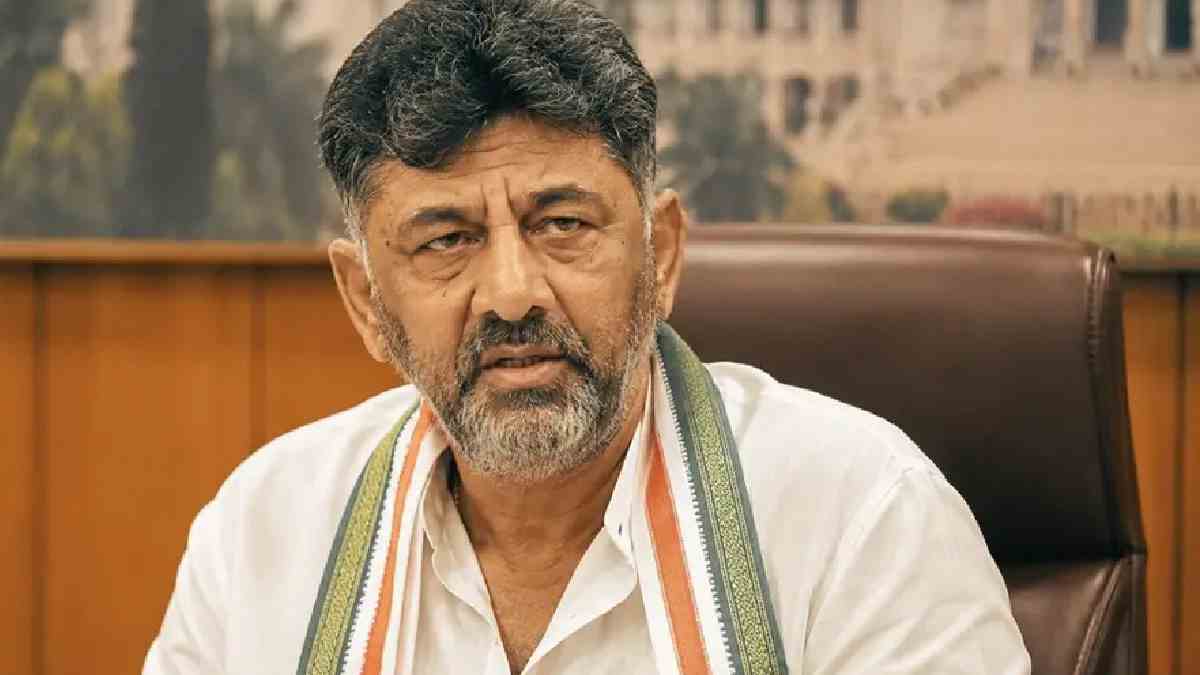
Karnataka Deputy Chief Minister DK Shivakumar, during World Polio Day, spoke at the launch of Karnataka Deputy Chief Minister DK Shivakumar on the occasion of global Polio Day and spoke for the progress made by India in eradication of Polio-free India.
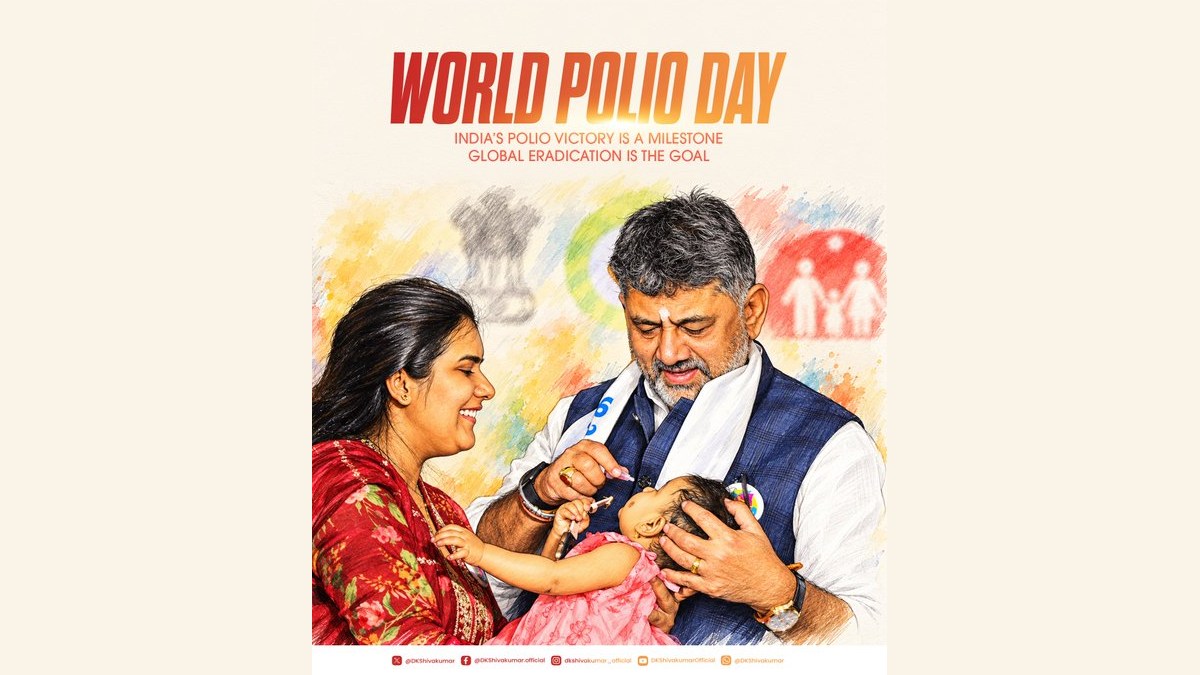
The people to remain proud of this achievement, and that this is an achievement - and for every child to be protected from the disease.
Shivakumar said that the success of India’s progress must not be achieved at the expense of people’s complacency, he said, but vaccination is vital to protect children from the disease and prevent the disease from returning.
The focus is that there should always be high immunisation coverage so that people have the best possible coverage in India, an awareness in the community and that there should be high vaccination coverage of vaccines so that every child and everyone in India is able to get the recommended polio vaccine dose, he said.
Shivakumar’s World Polio Day message notes that India is proud of its success but the country still needs to be watched. But despite the fact that India is free of wild poliovirus transmission, it is up to the people to protect the future generations.
Shivakumar urges parents and caregivers to make sure children are put on polio drops and to fund vaccination programs. His appeal is representative of the larger public health message of World Polio Day: the fight against polio cannot end until the disease is completely eradicated globally. Lending support for vaccinations, surveillance and community participation are essential to preserve the progress over decades.
India’s journey to achieve the eradication of polio is widely regarded as one of the country’s most historic public health achievements.
In January 2011 it reported its last case of wild poliovirus and in March 2014 in South East Asia it became polio-free, a result of years of coordination of vaccination campaigns, monitoring and outreach with children in urban and rural communities.
Healthcare workers and volunteers were at the forefront to visit families, administer vaccines, raise awareness and find out whether children missed their expected doses. The Pulse Polio programme was part of this programme which helped the community to reach out to children for more doses during official campaigns.
Polio or poliomyelitis is a highly contagious viral disease that affects children under five years old. It spreads mainly through the faecal-oral route, often through contaminated food or water. Many infections do not have visible symptoms, but can be debilitating to the nervous system and develop acute flaccid paralysis.
Permanent paralysis may be the case and severe cases can affect muscles needed for breathing. There is no cure to paralytic polio and vaccination is the most effective method of prevention. This is why health authorities continue to stress the need to complete recommended vaccination schedules even in countries where local wild poliovirus transmission has been halted.
Shivakumar’s message is especially important because India remains polio-free and the virus has not disappeared worldwide. Wild poliovirus still exists in some parts of the world and vaccine-derived poliovirus outbreaks have also occurred in some countries.
On World Polio Day, we take pride in India’s remarkable achievement in becoming polio-free. This success reflects the collective efforts of our health workers, volunteers, families and citizens. While India remains free of wild poliovirus, our commitment must continue. Polio drops remain essential to protect every child, sustain our progress and keep the disease at bay. Let us ensure that every child receives the protection they need. Together, we can safeguard the gains we have made and work towards a polio-free world.
— DK Shivakumar (@DKShivakumar) October 24, 2026
International travel and population movement create the possibility that the virus could be reintroduced into regions that have eliminated local transmission. If it reaches communities with low vaccination coverage it could spread to people who are not sufficiently protected. And so high immunisation levels are important in order to reduce the risk of an outbreak in all walks of life.
Polio vaccination in India consists of oral polio vaccine (OPV) and inactivated polio vaccine (IPV) given as drops and injection. These vaccines are complementary to protect children. Parents should follow the national immunisation schedule and participate in Pulse Polio campaigns for any children who are eligible.
Campaign doses are complementary to regular immunisation and should not be considered a substitute for scheduled vaccinations. Parents who are concerned about missed doses and their child's vaccination history must seek a qualified healthcare professional.
In addition to vaccination, continued surveillance is also necessary to detect possible poliovirus circulation quickly. Health authorities monitor acute flaccid paralysis cases (in particular children) and conduct laboratory testing to determine if poliovirus is involved.
Environmental surveillance, such as sewage sampling, can also help identify the virus even when no paralytic cases have been reported. Such systems allow officials to identify potential threats to public health and respond to them with appropriate public health measures.
Shivakumar’s appeal on World Polio Day has served as a reminder that the fight against preventable diseases in children must continue through interplay of governments, health care professionals and families.
India’s polio-free achievement shows how long-term public health action with good public health efforts can be successful, but that success requires sustained commitment. If there’s community involvement in vaccines for everybody who needs to be given and vaccines if there is a list of children who are eligible, supporting immunisation campaigns and good and reliable health information is provided, communities can help keep the future generations safe. The longer term goal is a world without polio and India’s continued vigilance will be essential to reach that goal and its progress will be made.
Disclaimer: This article is intended for general informational and public awareness purposes only. It is not a substitute for professional medical advice, diagnosis or treatment. Parents and caregivers should consult qualified healthcare professionals regarding their children’s vaccination needs and follow the recommended national immunisation schedule.


Comments