
Karnataka Transport Department has issued fresh instructions directing all public transport buses in the state to carry passengers only up to their seating capacity. The order comes after complaints that buses have been routinely overloaded since the Shakti Scheme (free travel for women on ordinary and non-premium services) was introduced recently.
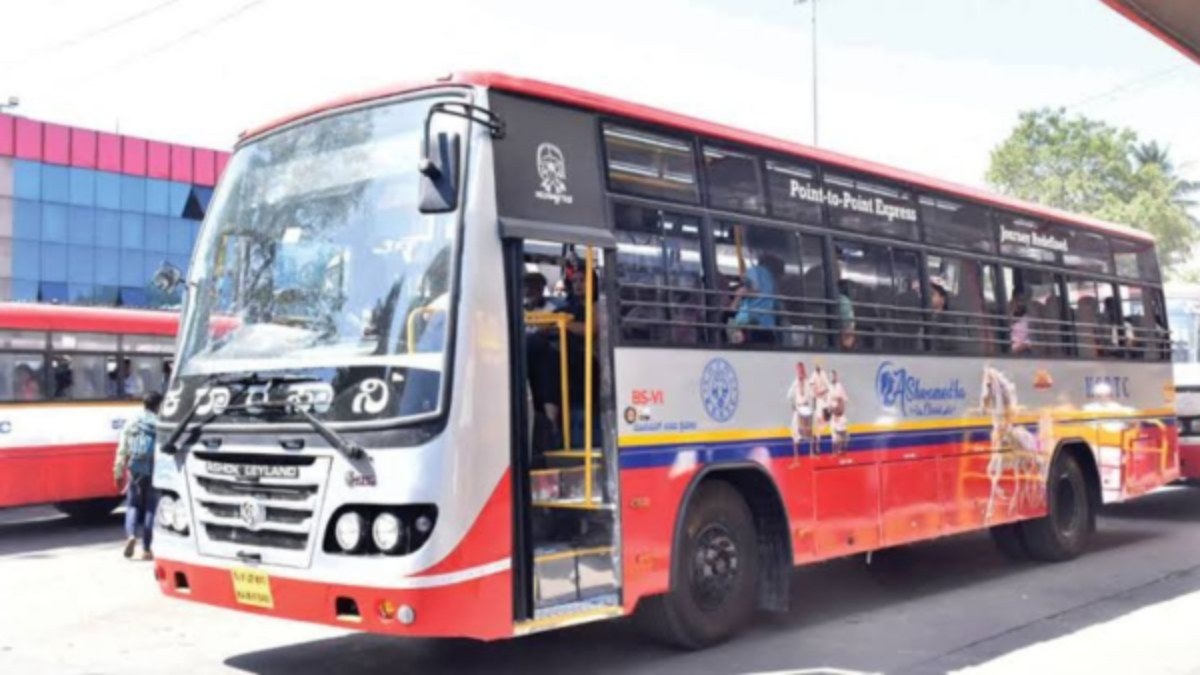
Officials said ridership under the free-travel scheme has increased so much that many buses are running way beyond their seating limits. Men, students and senior citizens complained about cramped conditions, difficulty boarding and safety during peak hours. So the department instructed all regional transport commissioners to ensure operators do not admit more passengers than seats available.
Those who violate will be booked under existing motor vehicle rules. The directive applies to all categories of stage carriage vehicles plying within the state. Transport officials have also been asked to create awareness so that passengers understand new capacity norms and do not pressurise conductors or drivers to allow excess boarding.
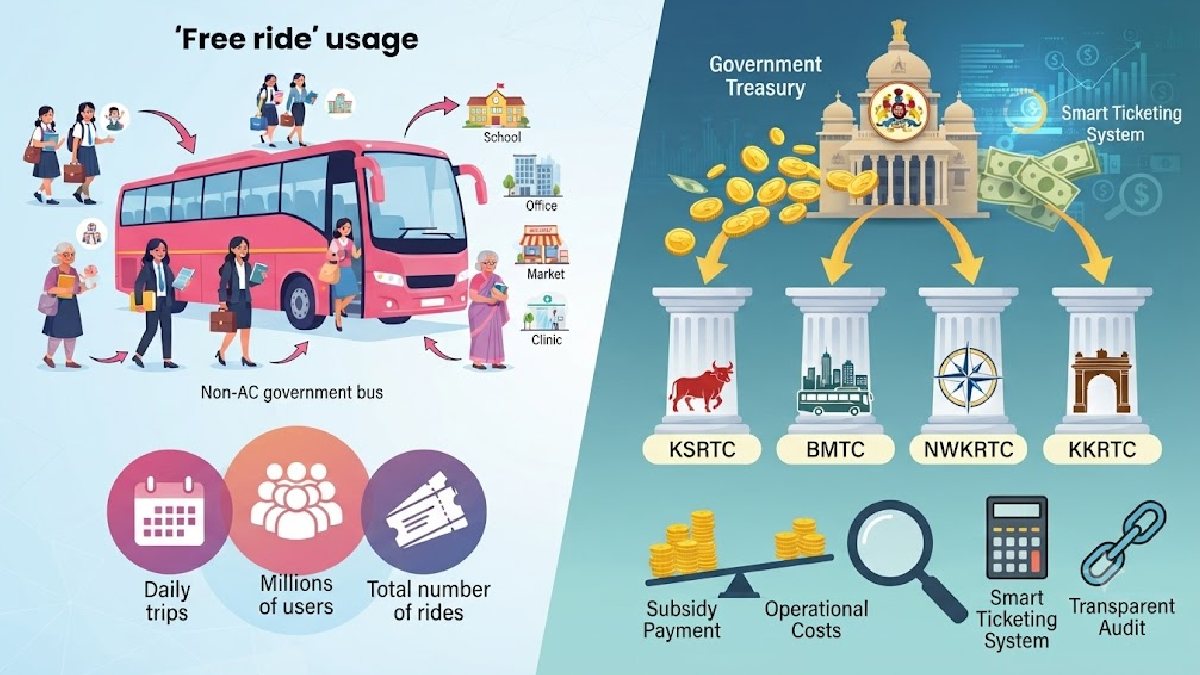
“This is primarily aimed at passenger safety and not to curtail benefits of Shakti Scheme,” the department said. Shakti Scheme is a state government initiative through which women residents of Karnataka travel free of cost on ordinary buses. The programme has increased women’s mobility and ridership on state-run services too, but the sudden surge in numbers has strained existing fleets (especially on high-demand routes in Bengaluru and other urban centres as well as inter-district services).
Complaints of overcrowding had been piling up for several weeks before the department decided to enforce seating capacity limits more strictly. Transport officials said that free travel continues but operators have to manage boarding now more carefully so some women passengers may be asked to wait for the next bus when seats are full (during rush hours especially).
Department officials said they will monitor implementation closely and expect KSRTC, BMTC, NWKRTC and KKRTC, the four state transport corporations, to put systems in place to enforce the rule without undermining the scheme's objective (women travel facility).
The order is also expected to help male passengers, students and elderly travellers who often find it difficult to board or find space on crowded buses. By capping occupancy at seating capacity, authorities hope to make travelling more comfortable and reduce accidents or medical emergencies linked to extreme overcrowding.
Regional transport officers have been told to check for over-boarding and take action against crews who allow excess passengers. It remains to be seen how quickly and effectively the corporations will enforce the new rule on the ground.
Conductors and depot managers need operational guidance on when to stop boarding and how to communicate the limit to waiting passengers; the department has not announced any immediate increase in fleet size or frequency to meet the additional demand created by Shakti Scheme yet, so longer waiting times on busy routes could still happen.
For now, the Transport Department has justified capacity restrictions as a necessary safety measure, but whether it actually works to balance free travel for women with safer and more comfortable journeys for all passengers will depend on consistent enforcement by the corporations and monitoring by regional authorities.




Comments