
In Subhash Chander Malhotra v. Raman Malhotra & Others (2026:DHC:10342), an 85 year old man went to the authorities seeking eviction of his eldest son and daughter-in-law.
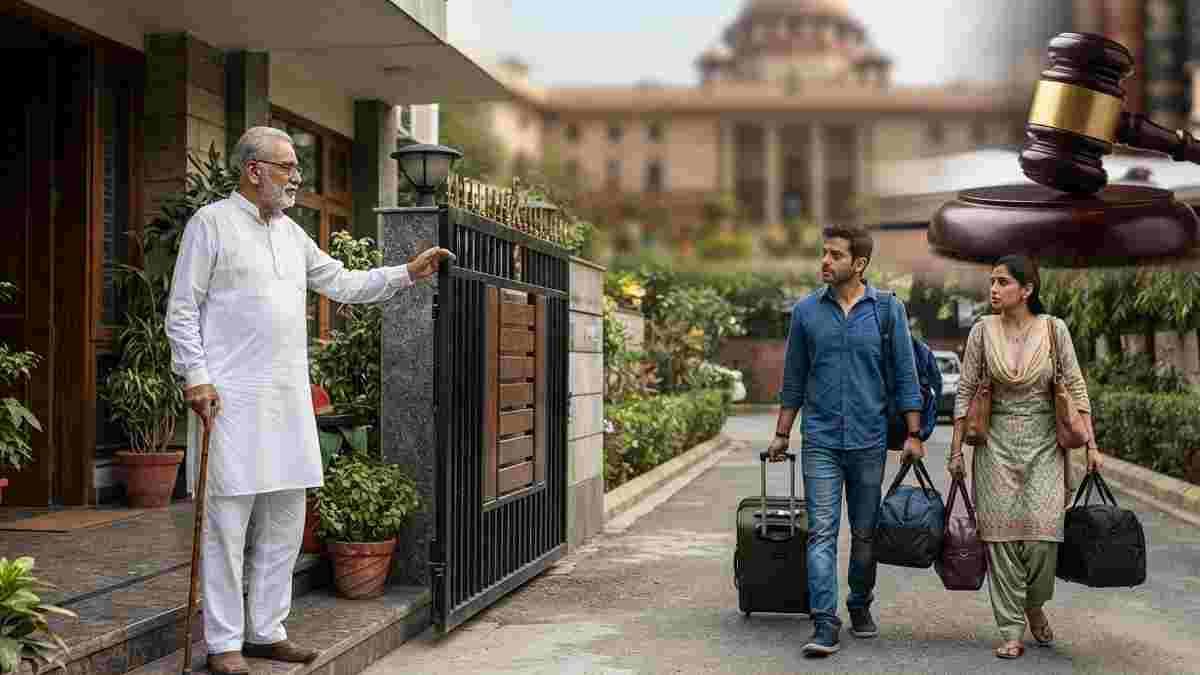
The petitioner was the absolute owner of the property, which he had purchased from DDA in 1980. In 2000, it was converted into freehold.
His eldest son and daughter-in-law had been living in the house since they married in 2003. The father said that after his other sons got married, he asked them to find alternative accommodation but they refused.

The elderly man also alleged that the couple changed their behaviour towards him over the years and stopped giving him financial support.
Harassment Allegations Intensified After Wife's Death
The petitioner told the court that things got worse after his wife died in 2020.
He alleged that the respondents threatened him and his youngest son was also assaulted. The father then lodged a police complaint and approached the authorities for protection and eviction of the couple from the house.
The dispute had been ongoing since 2022 and the elderly man was also seeking police assistance under earlier court orders.
First, he went to the District Magistrate under the Maintenance and Welfare of Parents and Senior Citizens Act 2007 and asked for eviction of his son and daughter-in-law and maintenance.
However, the District Magistrate closed his complaint, saying harassment and ill-treatment had not been established. The authority also said that the senior citizen was trying to use law for settling a business dispute between his sons.
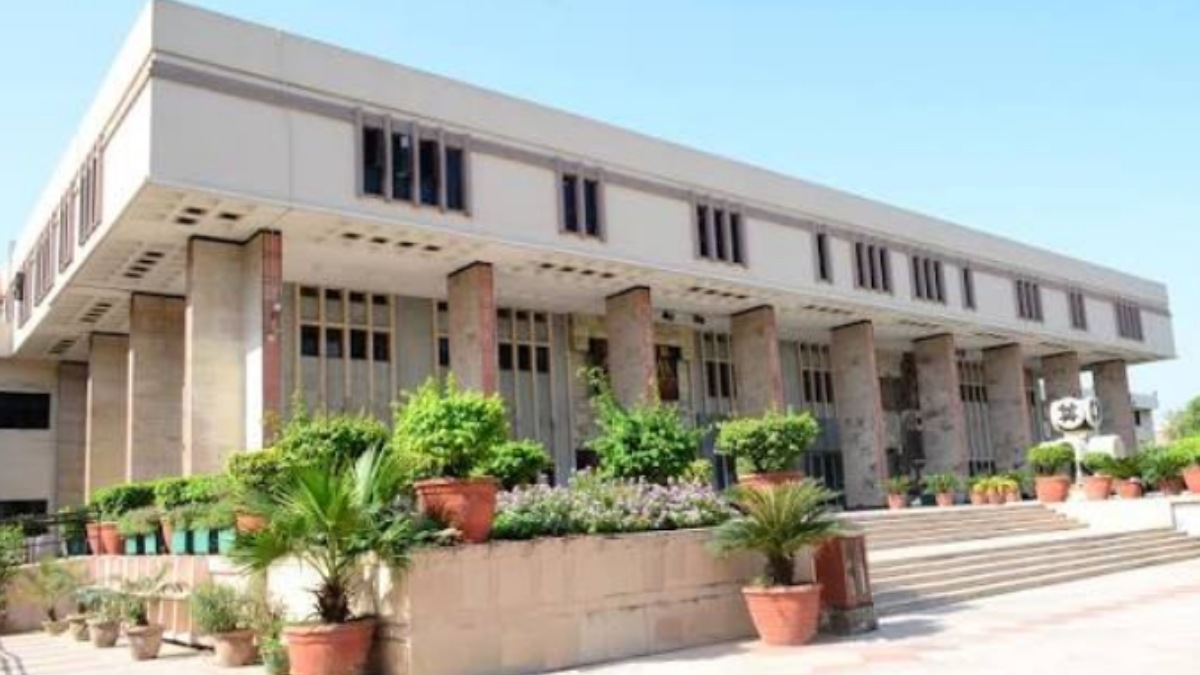
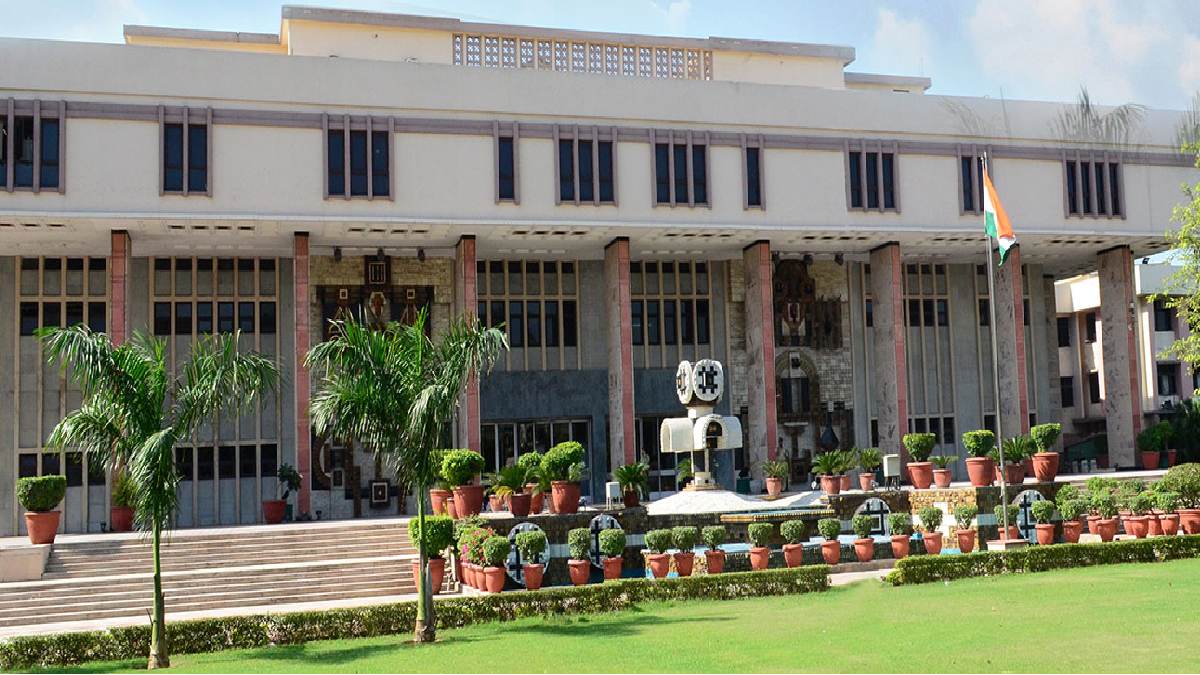
The Divisional Commissioner then rejected his appeal, and he went to the Delhi High Court.
What Did the Delhi High Court Say?
Justice Amit Mahajan, while hearing the matter, found fault with the way authorities had gone about it.
The court said harassment of elderly parents by their children usually takes place within the four walls of a house, so asking senior citizens to produce independent evidence for every incident of harassment could make it harder for them to get protection.
The court also said proceedings under the Senior Citizens Act are summary proceedings. Authorities should not insist on the same standard of proof as would normally be required in civil or criminal trials.
It further said that “there may be business dispute between the petitioner’s sons, but that does not necessarily make the father’s allegations unreliable”.
The court said that an elderly person who wants children evicted from his property need not prove ill-treatment as a condition precedent. All he has to do is show that the property needs protecting so that the senior citizen can live peacefully and with dignity.
Son and Daughter-in-Law Given Four Weeks to Vacate
Allowing the petition, the Delhi High Court set aside the earlier orders passed by the District Magistrate and Divisional Commissioner.
The court ordered the son and daughter-in-law to vacate the property within four weeks.
It also directed the concerned Station House Officer to assist the father in any manner possible so that he could comply with the order (if necessary).
In its important observation, the court said that “an 85-year-old man is entitled to live in peace and dignity in his own house and not be forced to share it with his children against his will”.
Why Is This Judgment Important for Senior Citizens?
The ruling emphasises the need to protect elderly parents from domestic harassment, neglect and disputes over residential property.
Maintenance and Welfare of Parents and Senior Citizens Act, 2007 lays down the legal framework to protect the rights and welfare of senior citizens. The Delhi High Court’s decision reinforces this need for authorities to look into complaints fairly (not just dismiss them because independent evidence of harassment is not available)
The judgment also draws an important distinction between family disputes and the right of an elderly property owner to peaceful possession of his home.
For senior citizens in similar situations, the ruling says their right to dignity, security and peaceful residence needs legal protection.
The decision in Subhash Chander Malhotra v. Raman Malhotra & Others is therefore an important reminder that old age should not be a time when one loses control over his own home or has to live in an environment where peace and dignity are at risk.





Comments