
Karnataka residents were warned in the Sakala service delivery system not to complain about delays and not to make false complaints when doing so to the government. Sakala was introduced to notify citizens of government services within a time limit and hold officials accountable for unavailability. But the possibility of a penalty for false complaints has raised questions about the filing of complaints and how citizens can protect themselves while seeking government services.
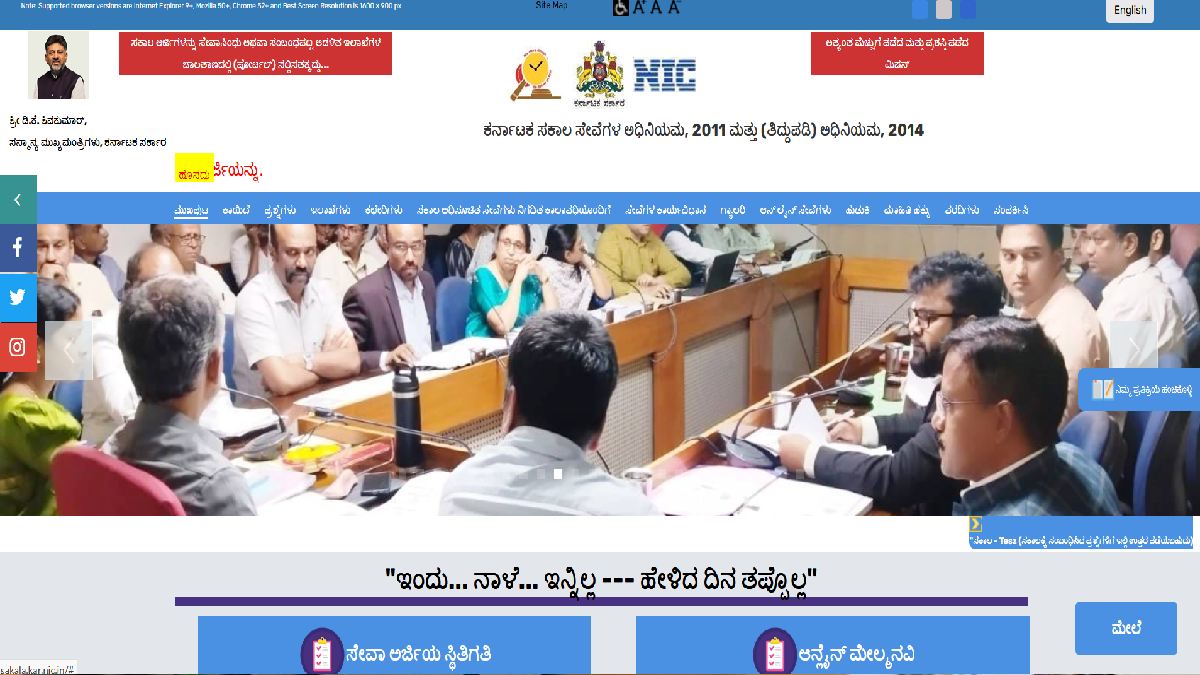
Karnataka Sakala Services Act, 2011 was established to improve delivery of public services by setting deadlines for notified services and holding them accountable for the delay in the processing of applications. Applicants may apply for services such as certificates and licences and other government documents within the prescribed time limits.
We have established mechanisms for citizens to appeal and file grievances to get the explanation or remedy done if they cannot get the application done by the due date. We would like to improve administrative time and transparency and have government departments respond to applications promptly. It is very effective when people report genuine service delivery problems and not to make any kind of complaints.
Why Are False Sakala Complaints a Concern?
Government grievance systems depend on accurate information to investigate complaints and identify administrative failures. A complaint involving knowingly false information can divert the attention of officials from genuine cases, consume administrative resources and potentially damage the reputation of public servants. For this reason, government authorities may have rules for submitting complaints and the consequences of deliberately providing false information.
A report that a Rs 1,500 penalty was imposed on a citizen has brought the issue home in public consciousness for citizens who regularly use online and offline government services. But one must distinguish between a false complaint and a genuine one that cannot be proved eventually.
A person who reports a delay based on the information available to them should not be seen as having filed a false complaint just because the department disputes the complaint or an investigation does not prove wrongdoing. The true legal basis, provision and circumstances for imposing the reported penalty should be checked with the official rules in place before this amount is treated as universal.
How does Karnataka's Sakala system work?
The Sakala system was introduced to deliver the notified government services in a time-bound manner. Each covered service has a period of time during which the required department is expected to take care of it. The applicant is usually offered some recognition or application reference that will allow them to track what is happening with their application.
If the service is delayed beyond the prescribed deadline, the applicant can check the relevant appeal or grievance procedure. The department, service category and stage of the application determine the appropriate process. Citizens should keep acknowledgement receipts, application numbers, copies of submitted documents and messages from the department. These records can help establish when an application was submitted and whether the prescribed deadline was followed.
Before filing a complaint, applicants should check that their application is in good hands, verify the status of their application and see if any further documents or information have been requested. If a service has been delayed, they should clearly explain the issue and provide relevant supporting evidence and not make assertions that are not supported by evidence or allegations that can’t be substantiated.
Could citizens be fined for filing a complaint?
The reported warning is a possible Rs 1,500 fine for filing a false complaint. But the scope of such a penalty must be defined by the relevant statutory provision, government notification or official Sakala guidelines. Without a firm understanding of the specific rule, we cannot claim that every unsuccessful complaint automatically leads to a fine.
Citizens should also be aware that filing a complaint in good faith is not the same as providing false information in an attempt to get some advantage. Someone with genuine reasons to complain about a delayed service should be able to use the grievance mechanism and tell the truth about it. If authorities say a complaint is false, the relevant facts and relevant legal provisions should be considered before any penalty is imposed.
For this reason, citizens should avoid exaggerating claims, submitting altered documents or making allegations against officials without a reasonable factual basis. They should provide accurate dates, application details and copies of relevant communications whenever possible.
What should citizens do before filing a Sakala complaint?
Applicants may take several practical steps to verify that their complaints are legitimate and supported by evidence:
- Check the deadline: Confirm the time limit prescribed for the particular government service.
- Keep records: Save the application acknowledgement, reference number and documents.
- Verify the status: Check whether the application is pending, rejected or awaiting further information.
- Describe the issue accurately: Explain the delay or service deficiency without making unsupported accusations.
- Use the correct procedure: Follow the appeal or grievance mechanism applicable to the service.
- Check official rules: Check the Sakala portal or the relevant department for current instructions and any applicable penalties.
These steps can help citizens pursue legitimate grievances while reducing misunderstandings during the complaint process.
How is Sakala helping to improve government accountability?
Sakala is still an important tool to promote time-bound public service delivery and administrative accountability in Karnataka, and hence it is in line with the Sakala program. Citizens should have the right to question the delay and seek redress through the existing system and government departments must respond to the complaints fairly and transparently. At the same time, grievance mechanisms work best if complaints are made in good faith and based on accurate information.
The reported Rs 1,500 penalty warning is a reminder to verify the applicable rules before filing complaints. But the real provision authorising this amount should be confirmed through an official government source. Citizens should not assume that every rejected or unproven complaint will result in a fine until that is confirmed. The basic principle is clear: use the Sakala system to report genuine service problems, provide truthful information and follow the official procedure.






Comments
Leave a Comment