
A university in Gujarat has taken a big step to improve student safety with a series of specially designed spring-loaded “anti-suicide” fans that are being installed in its hostels. Veer Narmad South Gujarat University (VNSGU) in Surat has installed 354 safety-equipped ceiling fans as part of an effort to prevent suicide in student accommodation with a view to tackling student mental health and preventive measures at educational institutions across India.
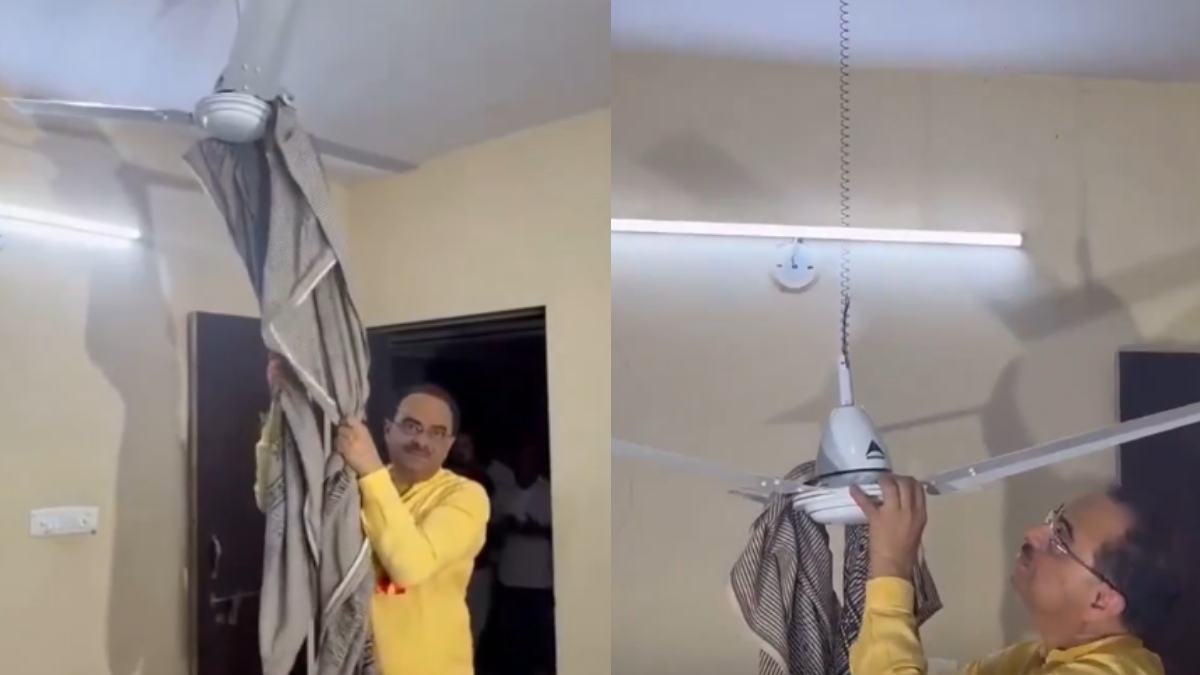
The Blunt Times reports that the specially designed fans are spring-loaded and release when a lot of weight is applied to them, so the fixture can’t support the weight. The institute’s initiative is a clear case in point of how simple changes to hostel and classroom facilities can become part of a bigger movement to protect students in emotional distress. Source: The Blunt Times
The installation has 354 fans with a mechanism that allows the fixture to be released under high pressure. It is estimated that each unit costs ₹1,500, which is affordable to institutions with a lot of hostel rooms. VNSGU Vice-Chancellor Dr Kishorsinh Chavda demonstrated how the mechanism works during a visit to a hostel room.
The device is designed to minimize the risk associated with conventional ceiling fixtures by preventing them from bearing excessive loads. While such an installation can be seen as an infrastructure-based safety measure, it is only effective if it is installed correctly, maintained regularly, and the safety standards are good enough.
The initiative is happening in the context of student well-being and reports of student deaths in educational institutions. Young people living away from their families face academic pressure, exam anxiety, economic depression, job anxiety, loneliness, and personal struggles. These pressures affect students differently, so universities should have accessible support systems and physical safety improvements for them. Campus managers, faculty, hostel wardens, and students have a role to play in creating a culture where students don’t feel afraid to go to a doctor or a university without fear of being judged or punished; not a system of judgment.
Spring-loaded fans are not a new idea in India. Similar safety measures have been introduced in or proposed in student accommodation facilities in other parts of the country. In Kota, Rajasthan, the local administration asked hostels and paying guest accommodation providers to install spring devices on ceiling fans in 2023 as part of efforts to enhance student safety. More recently, the Indian Institute of Technology Kanpur and Birla Institute of Technology Mesra have also taken measures with fan fixtures or other physical safety measures. These developments are part of a larger discourse on how educational institutions can minimize immediate risks while responding to student distress. Sources: The Indian Express and Hindustan Times.
But safety equipment cannot solve the reasons which might lead a student into a mental health crisis. Universities also need confidential counselling services, mental health professionals, peer-support networks, and clear procedures for responding when someone appears to be struggling. Help should be available for students, not just in the ordinary office hours but also outside of the office hours, and they should be allowed to talk openly about their problems without the danger of being stigmatised. Faculty and hostel staff would also do well to be trained to pick up on warning signs and respond compassionately.
🚨 A university in Gujarat is installing spring-loaded "anti-suicide" fans across its hostels. https://t.co/tXCm8voFHF
— Indian Tech & Infra (@IndianTechGuide) October 23, 2026
So the installation of 354 spring-loaded fans at VNSGU is an important step towards residential campus safety. The initiative could inspire other universities and colleges to examine their hostel facilities and take further preventive action. Longer-term success will be through physical security together with mental health support, student engagement, and institutional accountability. The overall aim should be that every student who is living on campus has a safe environment and is supported if they are in difficulty in life or learning. For the Indian educational institutions looking at student welfare policy, VNSGU’s report is another example of how campus safety can become a reality.






Comments
Leave a Comment