
The political storm over Karnataka’s proposed Mekedatu dam project has gathered steam after Tamil Nadu Chief Minister C. Joseph Vijay reportedly wrote to Prime Minister Narendra Modi opposing the project.
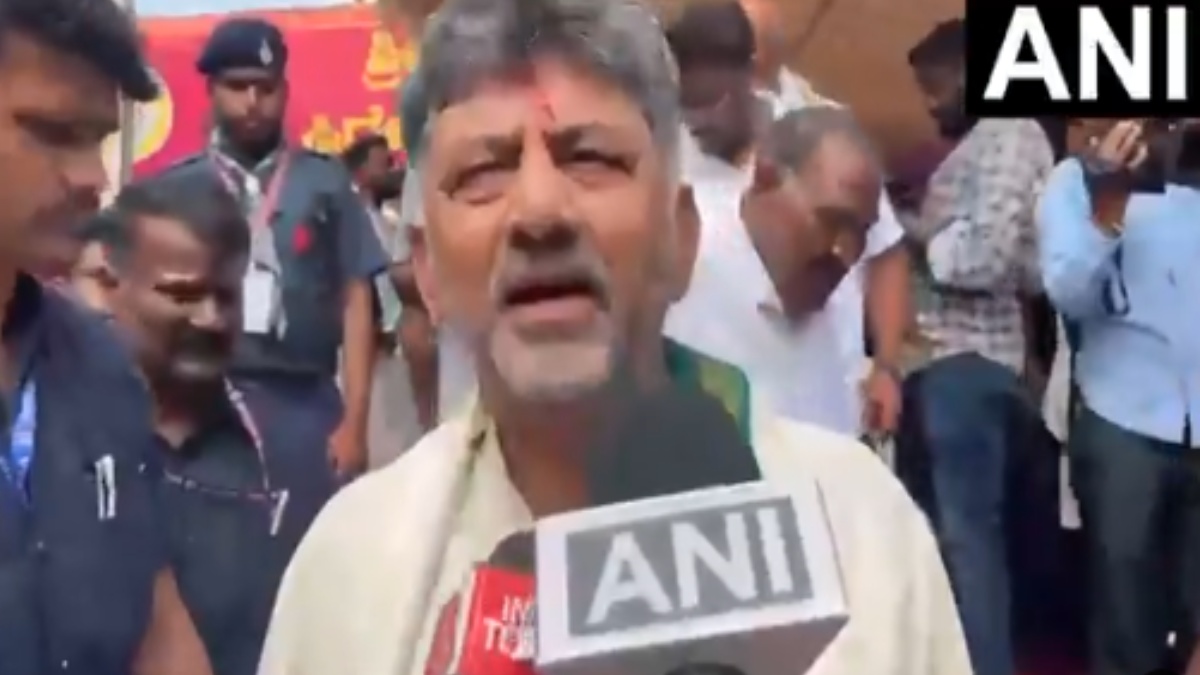
Karnataka Deputy Chief Minister D.K. Shivakumar said that Karnataka does not need permission from Tamil Nadu to build a dam in its own territory and told reporters in Hassan that SC India had already given verdict on sharing of Cauvery river water and Karnataka was entitled to go ahead with the proposed project while fulfilling its water-sharing obligations. His comments have once again put the long-standing Karnataka-Tamil Nadu dispute over Mekedatu balancing reservoir back into the political arena.
Karnataka would abide by law and conditions relating to release of 177 TMC water to Tamil Nadu. Mekedatu project is a balancing reservoir which will benefit Karnataka as well as TN, Shivakumar said adding the project should not be seen only as dispute between two neighbouring states but as infrastructure initiative that can regulate availability of water and improve management of water resources.
#WATCH | Hassan: On Tamil Nadu CM C. Joseph Vijay's letter to PM Modi over the Mekedatu dam, Karnataka CM DK Shivakumar says, “I hope the Chief Minister of Tamil Nadu is aware of the law of the land. There is no need to seek permission from anyone. The Supreme Court of India has already given permission for Karnataka to build the dam at its own site, subject to the condition that we release 177 TMC of water to Tamil Nadu. Tamil Nadu will also benefit more from the Mekedatu reservoir. It is called a balancing reservoir. We have already identified around 5,400 acres of forest land in other areas, which we will hand over to the Forest Department. That process is already underway. As soon as it is completed, we will submit our application. Karnataka stands united on this issue. Cutting across party lines, all BJP and NDA leaders have agreed to support Karnataka on the Mekedatu issue. I appeal to the Chief Minister of Tamil Nadu to send a team. We will not misuse this opportunity. There is no question of fighting. Those days are over. The Supreme Court has given its verdict. Let us respect the law of the land. Let us work together and share water. Let us strengthen the bonds of unity among ourselves..."
— ANI (@ANI) November 8, 2026
Vijay should know about legal position before opposing the project, Shivakumar asked Vijay saying send team to Karnataka so that they understand objective of the project and technical details.
Why Is Tamil Nadu Opposing the Mekedatu Dam?
Tamil Nadu’s opposition to the project stems from its concerns over sharing of Cauvery river water. Vijay wrote to Prime Minister Narendra Modi that the proposed reservoir would reduce the flow into Tamil Nadu and disrupt monthly water deliveries guaranteed under the final award of Cauvery Water Disputes Tribunal and February 16, 2018 judgment of Supreme Court; he was worried about a site inspection by central government officials recently and requested further administrative and technical action be put off till the concerns of lower riparian states are addressed. TN has said the project should not be given statutory or administrative clearances without consent of co-basin states.
Farmers in Tamil Nadu’s Cauvery delta depend heavily on the river for irrigation. Vijay says that if timing or quantity of water released downstream changes then agricultural activities and farmers’ livelihoods will be affected. Tamil Nadu has also taken legal action challenging parts of the approval process so it is still an interstate dispute.
What Is Karnataka's Argument?
Karnataka says Mekedatu will be a balancing reservoir for Cauvery water during times of excess rainfall and scarcity. The project is to provide drinking water to Bengaluru and hydroelectric power generation. Shivakumar has said Tamil Nadu too could benefit from better regulation of water (especially in difficult years).
He said Karnataka has identified about 5,400 hectares of alternative forest land for compensatory afforestation. The land would be handed over to the Forest Department as part of environmental clearance process. Once formalities are completed Karnataka will apply to concerned authorities.
BJP and NDA Leaders Support Karnataka. Shivakumar also talked about political unity in Karnataka on Mekedatu issue. He said leaders from BJP and NDA (though belonging to different parties) had agreed to support the state’s stand. The project should be seen as a matter concerning Karnataka’s water management and development instead of a political issue, he said.
He asked Vijay to send an official delegation to Karnataka to know the project objectives and review the arrangements proposed. Shivakumar assured Tamil Nadu that Karnataka would not misuse the opportunity or dilute its water sharing commitments.
What Happens Next in the Mekedatu Project?
The next stage will depend on environmental and technical procedures being completed, examination of the Detailed Project Report and decisions by central authorities. The Central Water Commission had earlier asked for a new DPRO because of changes in technical requirements of the project; Tamil Nadu’s objections and pending legal action could also affect approval process. So Karnataka is confident but still the project has important regulatory and interstate challenges ahead.
In his closing remarks Shivakumar said Karnataka and Tamil Nadu should cooperate saying “political differences should be laid aside and we have to share Cauvery water fairly. The river supplies drinking water, agriculture, livestock and industries in Karnataka, Tamil Nadu Puducherry Kerala”. His message to Vijay was clear: respect the law; protect farmers’ interests; work together instead of deepening the dispute.
The latest exchange between the two chief ministers has put the Cauvery water dispute back on national radar. Whether Vijay accepts Shivakumar’s invitation for dialogue or continues to oppose the project will be seen in coming days. For now Mekedatu dam is still one of the most important and politically sensitive water infrastructure projects in South India.
Comments