
Journalist, columnist and music scholar Shakuntala Narasimhan died on Wednesday in Bengaluru at 86. She had been battling cancer and other age-related ailments for the past few months.
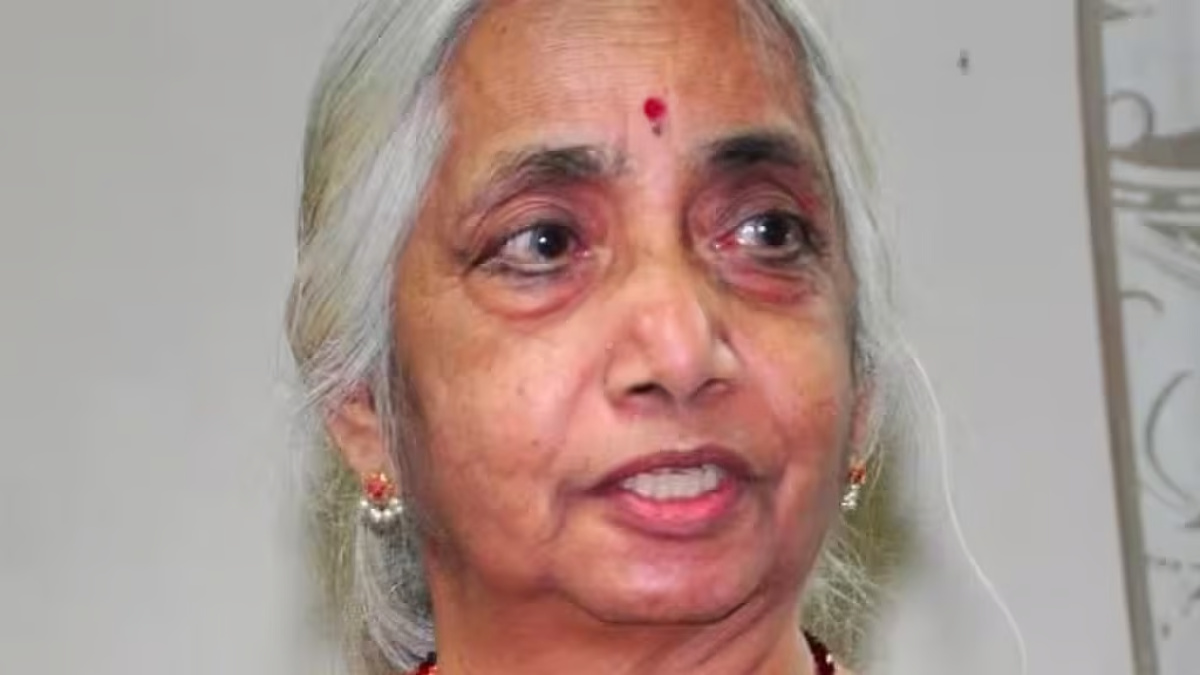
Family sources said she died at 5:15 am at a care home in Halasuru. She is survived by her daughter, noted physicist Prof Shobhana Narasimhan. Shakuntala Narasimhan was one of those rare scholars with two doctorates, one in Women’s Studies and another in Musicology.
The dual academic expertise reflected the two parallel streams that defined her long, distinguished career: journalism and classical music. Over the decades, she worked with several big newspapers where her columns and writings covered a wide range of subjects with clarity and depth. Her work as a columnist won her respect from readers and peers alike. In addition to her journalistic work, she was widely recognised as an accomplished classical musician.
What made her stand out was that she was an equal master of Hindustani and Carnatic classical traditions, something very few artistes can do at a high level. She performed on national music programmes organised by Doordarshan and All India Radio with equal ease in both styles.
Her unique contribution as an artist was the “Swayam Jugalbandi” where she presented Hindustani and Carnatic music on the same stage but seamlessly blending the two traditions in one concert (this presentation became her trademark). Journalism was not all that Shakuntala Narasimhan did; she was also a travel writer, music researcher/critic and consumer rights activist too.
Her writings and public engagements were deeply concerned with social issues, cultural heritage and rights of ordinary people. She brought the rigour she applied to musicology and women’s studies into activism and critical writing too, leaving an imprint in many fields. Many honours were bestowed upon her during her lifetime for her multifaceted contributions, including the Karnataka Rajyotsava Award conferred by the state government.
The award recognised not only her music and journalism but also the wider role she played as a public intellectual and cultural figure in Karnataka. Shakuntala Narasimhan’s life and work were at the crossroads of scholarship, performance and social engagement.
Her ability to move fluidly between media, classical music, academic research and public advocacy made her a unique presence in Bengaluru’s cultural and intellectual scene. She died at the end of a long, productive career touching journalism, performing arts and social causes. Tributes are expected from fellow journalists, musicians and admirers who knew her work across these different domains.




Comments