
Cyclone Akvan is reportedly becoming more visible in the northern coastal areas of Chennai in Tamil Nadu where rough sea conditions and huge waves are affecting fishermen and coastal residents.
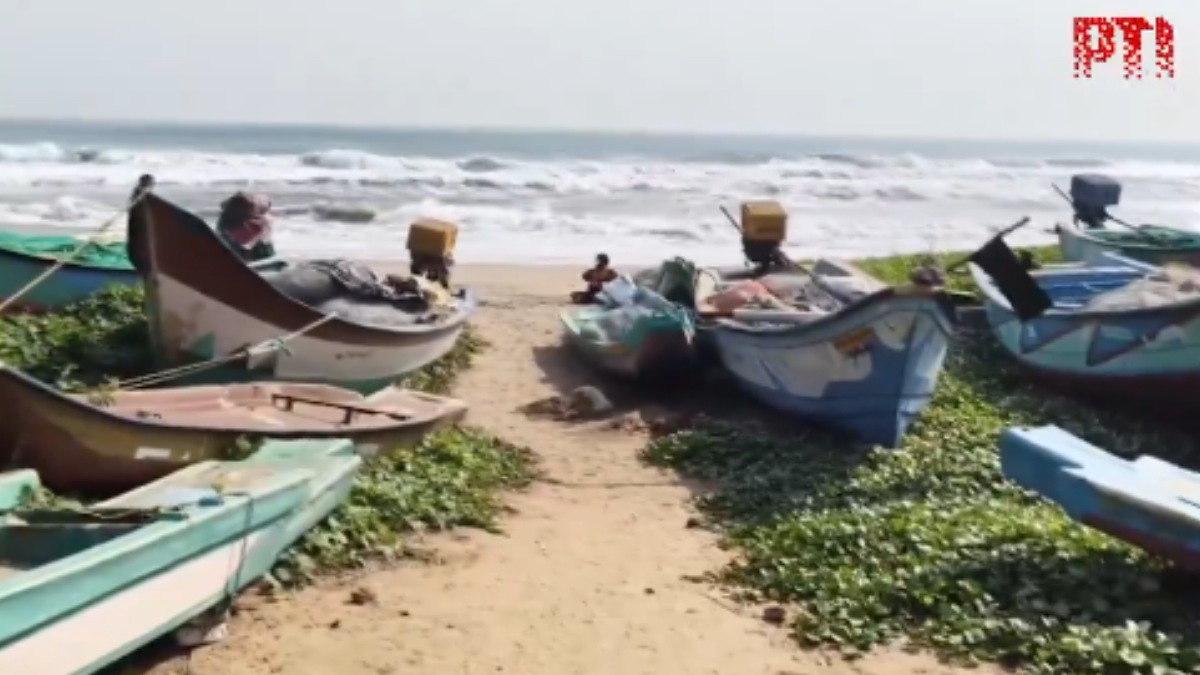
The changing weather has also caught people’s attention on the city’s coastline where strong waves and turbulent waters have created potentially dangerous situations for people living close to shore.
Fishermen who depend on sea for their daily livelihood are among those worst affected by the developing conditions. Rough seas have also brought fishing activities under scanner, safety along coast as well as deterioration in sea conditions due to cyclone impact (more so as cyclone continues to exert influence).
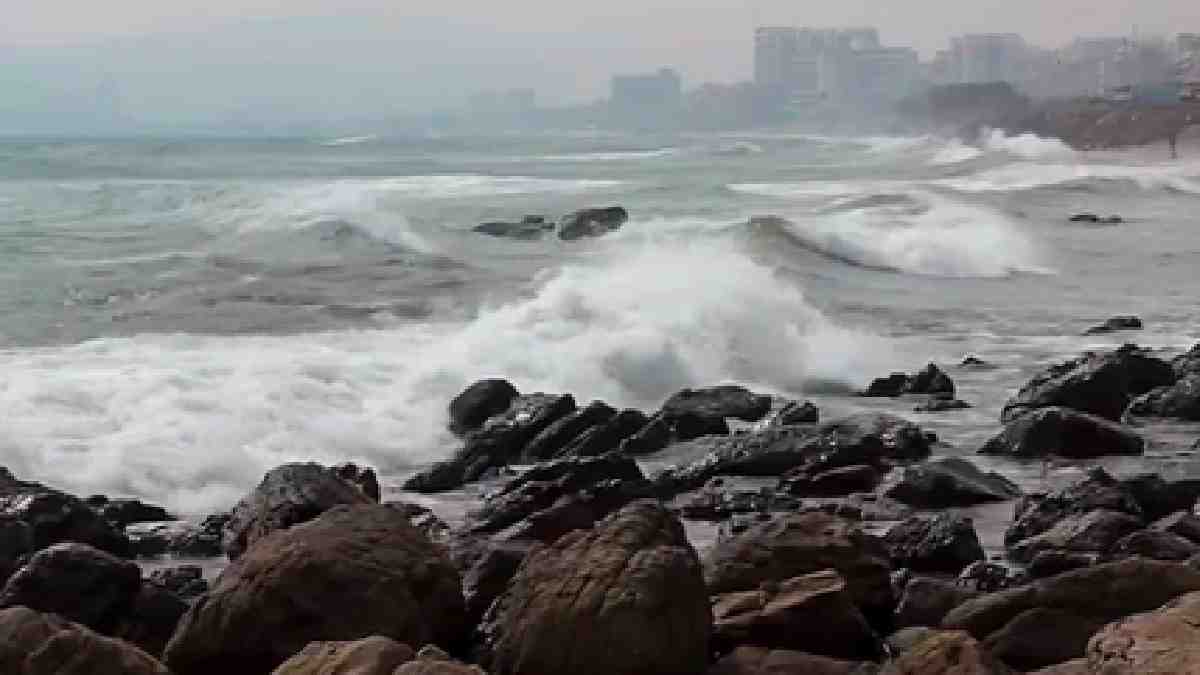
The northern coastal stretch of Chennai is more vulnerable to changes in sea conditions during cyclonic weather systems. Strong winds and atmospheric disturbances during cyclones make the sea more turbulent waves are higher, currents stronger and water movement unpredictable.
This can be problematic for traditional fishing boats as well as other small vessels operating close to the coastline; even experienced fishermen might find it hard when waves are unusually strong. Cyclone Akvan (latest development) has therefore made people aware that precautionary measures should be taken along the affected coast.
VIDEO | Tamil Nadu: The impact of Cyclone ‘Akvan’ is being increasingly felt along the northern coastal areas of Chennai, with rough seas and massive waves triggering concern among fishermen and residents. (Full video available on PTI Videos - https://t.co/d8jp61yd2p) https://t.co/bCFsjMMqn7
— Press Trust of India (@PTI_News) November 19, 2026
Fishermen are among the first communities to feel the effects of changing marine conditions. Fishing activities rely on weather that is predictable and relatively calm so boats can go into the sea and come back with their catch but rough seas make these trips extremely risky waves can destabilise smaller fishing boats, strong currents may be hard to control.
Financial worries also arise for fishing families because even a short interruption in fishing activity will reduce daily earnings. Coastal communities are therefore watching closely as the sea remains unsettled.
This is especially worrisome because the impact of a cyclone isn’t just where it eventually makes landfall. Even when the storm is hundreds of kilometres away its circulation can affect wind patterns and sea conditions along neighbouring coastal areas too.
For example, in Cyclone Akvan case IMD said on November 19 morning that severe cyclonic storm was over west-central Bay of Bengal about 580 km east northeast of Chennai (in its bulletin). It was moving northwards and would move towards North Andhra Pradesh and South Odisha coasts.
Chennai Coastal Weather Bulletin issued by IMD on November 19 said winds along North Tamil Nadu coast would be squally at 15–20 knots (occasionally gusting to 25 knots). Sea conditions were moderate but could turn rough in stronger wind gusts. Isolated light rainfall was also expected along the coast. Distant Warning Signal Number II has been hoisted at Chennai, Cuddalore and Nagapattinam ports for monitoring the approaching weather system.
Mausam
The warnings are particularly important for fishing communities in northern Chennai. Fishermen make their living through daily fishing activities and rough seas can disrupt their income. Small fishing boats and traditional vessels are especially vulnerable when waves become unpredictable and winds strengthen.
Families in coastal neighbourhoods also fear sea conditions could change especially close to the shoreline. People have been asked to be cautious and follow official weather and safety advisories rather than take unnecessary risks near water.
Another factor in the developing weather picture is that the cyclone is expected to move towards Andhra Pradesh and Odisha coast. IMD’s bulletin for November 19 said Akvan would cross North Andhra Pradesh and Yanam coast and South Odisha coast between Narsapur and Puri by November 20 with sustained wind speeds of 90–100 kmph and gusts up to 110 kmph. Chennai is not mentioned as landfall location but cyclone’s wider circulation could continue to influence weather and sea conditions along parts of eastern coastline.
Authorities and coastal communities therefore need to be on the lookout as Cyclone Akvan develops. Fishermen should obey official warnings against going into the sea, residents should not stand near rocky shorelines, sea walls or other exposed stretches of coast when rough seas are forecast and visitors should not go in the water to take photographs or record unusually large waves (sudden surges can be dangerous even when the shoreline looks calm).
For Chennai, the immediate concern is how the sea conditions will change and whether people living/working along northern coastline are safe. How the cyclone moves, intensity of wind and rainfall will decide how things develop over next few hours so residents should watch IMD updates and local authorities for latest information.
Cyclone Akvan continues to move northward and coastal safety and precautionary measures remain very important for fishermen and residents in northern Tamil Nadu.



Comments