
Tamil Nadu has revised its auto-rickshaw fares with the minimum charge for the first 1.8 km. Such fares will make the daily commuters, office-goers and students in the city aware of the fact that they are dependent on auto-rickshaws for short distance journeys.
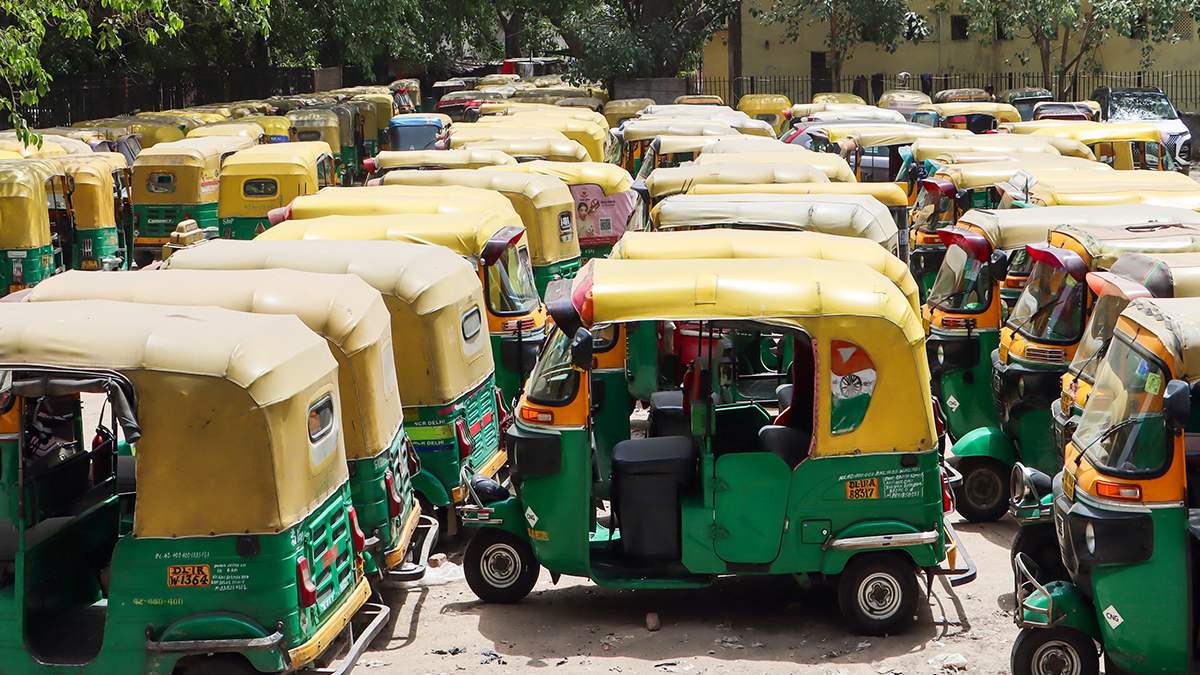
Auto-rickshaws are an essential element in urban transportation in Tamil Nadu and particularly in Chennai where they connect the homes, workplaces, bus stops and the railway stations in a last mile and how their fares will influence the daily transportation needs of thousands of passengers.
Under the new policy passengers will be required to pay a minimum fare of ₹50 for all journeys within the first 1.8 km. The amount passengers pay for longer journeys will be determined by the new fare rules in the revised policy.
Details like the rate charged for every additional kilometre, waiting charges, night-time fares and the date when the new policy will be applied are important for commuters in order to understand the full impact of the change. Passengers and drivers must refer to the official government notification for the full fare schedule and conditions.
Auto-rickshaws are still a popular mode of transport as they can cross busy streets and reach places where buses or trains aren’t available. For many passengers they are also a good option for luggage, during a time of emergency or when public transport is out.
But fares are always a concern, especially if you’re using autos multiple times a day. Small changes to the minimum fare may have a major impact on how much you spend on commuting in a week or a month.
The new minimum charge can be a big deal for commuters on short trips. Passengers traveling less than 1.8 kilometres would be subject to the minimum fare, as reported in the paper.
People who typically use autos to get to nearby shops, schools, hospitals, metro stations or bus terminals may need to check their travel budget. For longer trips the final cost is to some extent determined by the additional kilometre rate and any other charges allowed under the new rules.
The change also puts the relationship between passenger affordability and drivers’ earnings in perspective. Auto-rickshaw drivers face fuel, vehicle maintenance, insurance, permits and loan repayments. Fares need to be transparent, reasonable, and within the approved rates.
A transparent and public fare schedule can help both sides to know what they are actually doing and what they actually have to do.
An important issue is fare meters and compliance with official pricing rules. The minimum fare is approved and the additional distance fare to be paid is the minimum and a passenger can check whether the quoted fare is correct.
If the new tariff is widely available, inspectors can check the fares and passengers can contact them if they suspect that they are overcharging. Drivers can also help in solving the disputes by displaying the fare chart and explaining the charges if necessary.
The new fare structure may also affect how commuters decide between auto-rickshaws, buses, suburban trains and metro services.
Long distance travellers may compare the total cost of an auto journey with other transportation options and those who want last-mile connections might continue to rely on auto services. The final cost will depend on the final rates or local travel and the availability of other transport services.
First time passengers should note the minimum charge of ₹50 for the first 1.8 kilometres. Commuters need to check the official notification of the effective date, additional distance rates and any special conditions before assuming all fare components have changed in the same way.
All passengers and auto-rickshaw drivers will have to be made aware of the new system in advance to ensure that they know it and it is not confusing.





Comments