
A viral dining experience at Vellore’s famous Amma Restaurant near the old bus stand has led to confusion and heated internet arguments between netizens and raised questions over what constitutes an authentic biryani. A simple online search for food that was online had led to total bewilderment for an out-of-town diner. When they arrived during the peak lunch hours, they were totally disappointed: the restaurant's traditional mutton biryani was sold out. The ₹170 chicken biryani had turned from a cheap alternative to a source of culinary confusion. For people who grew up on a diet of classic Hyderabadi biryani, the Vellore version was an overwhelming culture shock.
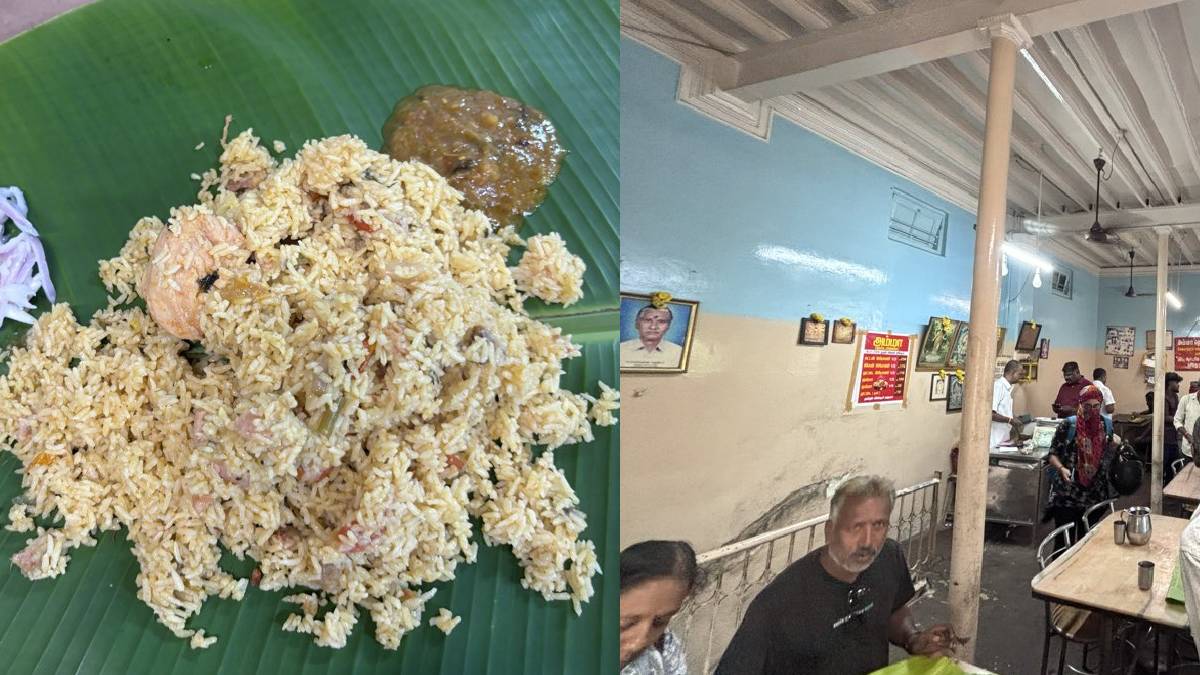
Was craving biryani in Vellore and Google led me to this restaurant near the old bus stand name is Amma Resturant. By the time we reached, mutton biryani was already over … so tried the chicken one for ₹170. And this tasted very different from the Hyderabadi biryani I’m used to. Less spicy, the rice itself was different, and somehow much lighter , but still really flavourful. One plate was more than enough for me. I am not sure about the rice… Tamil Nadu people .. what would you actually call this style of biryani? Is this Ambur style?
— Megha (@HeyItsMegha) October 22, 2026

Some people have been perplexed by the flavor profile of the dish, which does not seem to have the heavy punch, deep masala layers and fiery chili heat of commercial versions. Instead the profile is much less spicy and the dish has been the subject of heated discussions as to whether or not it is under-seasoned or due to the belief in regional identity. The dish’s structural texture was also a source of frustration for the diner. Instead of the familiar fluffy, long-grained Basmati rice the restaurant added a short grain that completely changed the mouthfeel for the customer.
Netizens quickly figured out the mystery and referred to the grain as Seeraga Samba (Jeerakasala). Although short-grain rice is revered throughout Tamil Nadu as a premium grain which absorbs flavors and does not bloat, it is also a point of alienation for outsiders who associate short-grain rice with table rice and not as a celebratory biryani. The biggest puzzle for the consumer was the deceptive weight of it. Even though it had a huge amount of food, one plate at the time was too much, the composition felt pretty light on the stomach. For most commercial fast-food consumers, a truly premium biryani experience is based on heavy ghee, thick oil and food coloring. The absence of that heavy, comatose feeling after dinner left the diner feeling deeply doubtful even if he admitted the dish was certainly tasty.
Food fans in the region have since identified the dish as a textbook example of Ambur-style biryani, a traditional preparation that is common in the Vellore region which employs a mild tomato-chili paste base and wood-fired dum techniques from the Nawabs of the Arcot. The viral phenomenon shows a growing, modern consumer gap: the disconnect between centuries-old regional culinary tradition and the rigid, heavily commercialised expectations of internet-driven diners.






Comments
Leave a Comment