
A heartwarming scene from Rishikesh has gone viral after a group of foreign tourists were seen collecting garbage along the ghats of the sacred River Ganga. The visitors who were seen voluntarily picking up waste on the riverbank have been praised for keeping the surroundings clean.
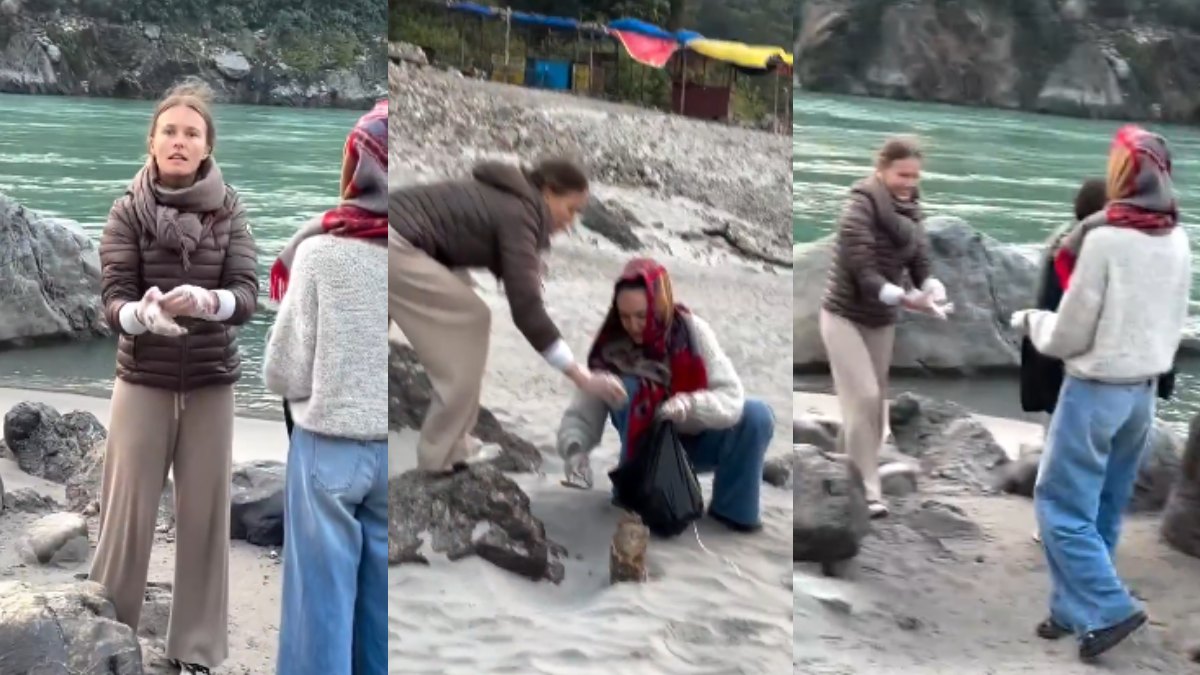
Their simple but meaningful act has also started conversations about environmental responsibility, river pollution and protecting India’s natural and cultural heritage. Plastic waste and littering are major issues at several popular tourist destinations where people are still not taking responsibility for cleanliness but the sight of international visitors taking onus for cleanliness has sent a strong message that collective action is needed.
Rishikesh in Uttarakhand is one of India’s most popular spiritual and tourism destinations. Located on the banks of Ganga, the city welcomes thousands of domestic and international visitors every year. Temples, yoga centres, meditation retreats, adventure sports, peaceful riverfront Rishikesh has a special place in India’s spiritual and cultural map.
🚨 Foreign tourists spotted collecting garbage along the ghats of the Ganga River in Rishikesh. https://t.co/uHFXVE5CMd
— Indian Tech & Infra (@IndianTechGuide) November 25, 2026
The Ganga is sacred to millions of people; its ghats are places where religious ceremonies take place, prayers are said, meditation and other spiritual activities are done etc. But with increasing number of tourists and visitors also comes challenge of cleanliness around the river.
The sight of foreign tourists collecting garbage along Ganga ghats has brought to the fore an issue that is often ignored only during cleanliness drives river pollution isn’t just environmental; it affects public health, aquatic ecosystems, tourism and even appearance of important cultural destinations. Plastic bottles, food packaging, disposable items etc can accumulate on riverbanks if visitors don’t dispose of their waste responsibly. This waste eventually ends up in river and creates long term environmental problems.
What makes it all the more meaningful is that tourists were reportedly seen taking part in a cleanliness effort but not making it a major public event small individual actions can make a big difference to shared public spaces.
Cleaning a river doesn’t have to be complex or expensive collecting plastic discarded in the water, putting waste in bins and encouraging others not to litter are simple things that everyone can do to help keep a river clean. The tourists’ gesture reminds us that environmental protection is not something you only do if you are a foreigner with no language or background.
The incident has also highlighted the responsibility of visitors going to religious and environmentally sensitive destinations. Tourism gives local communities economic opportunity; hotels and restaurants get business; people working in hospitality get jobs etc., but responsible tourism is just as important popular places shouldn’t suffer because more tourists come in (tourists can do this by not using single use plastics, carrying reusable water bottles, respecting local customs and disposing waste properly).
Rishikesh has always been associated with yoga, spirituality and nature. International visitors come to the city for its peacefulness, yoga programmes, Himalayan foothills treks and activities along Ganga river. The cleanliness effort by foreign tourists shows how important it is to preserve the natural beauty that attracts people from all over the world. It also asks us why if foreigners can clean public spaces then local residents and other tourists shouldn’t do it too?
The Ganga is not just a river but an ecological and cultural lifeline for millions of people. It needs consistent efforts from government agencies, environmental organisations, businesses, residents and tourists too.
Clean-up drives can remove existing waste but pollution prevention at source is equally important better waste management facilities, public awareness programmes, responsible tourism practices and stronger action against littering can protect riverbanks and surrounding ecosystems.
The scene in Rishikesh is a positive reminder that environmental awareness needs to be turned into action. But, a few tourists cannot change the river pollution problem but their gesture shows how change can start with individual decisions Ganga ghats are shared spaces and need respect and care (whether someone goes there for spiritual reasons or adventure tourism or relaxation they should clean them). It’s not somebody else’s duty to protect nature; it starts with each one of us.





Comments