Debt can at times be very useful tools when managed wisely. Yet uncontrolled debt, in particular debt taking on enormous interest rates, has the power to silently drain all that income and even restrict your freedom. Debt can create a vicious circle. Credit cards, personal loans, buy-now-pay-later schemes, along with other credit options, carry high interest rates that increase more quickly than their buyers think they can afford.
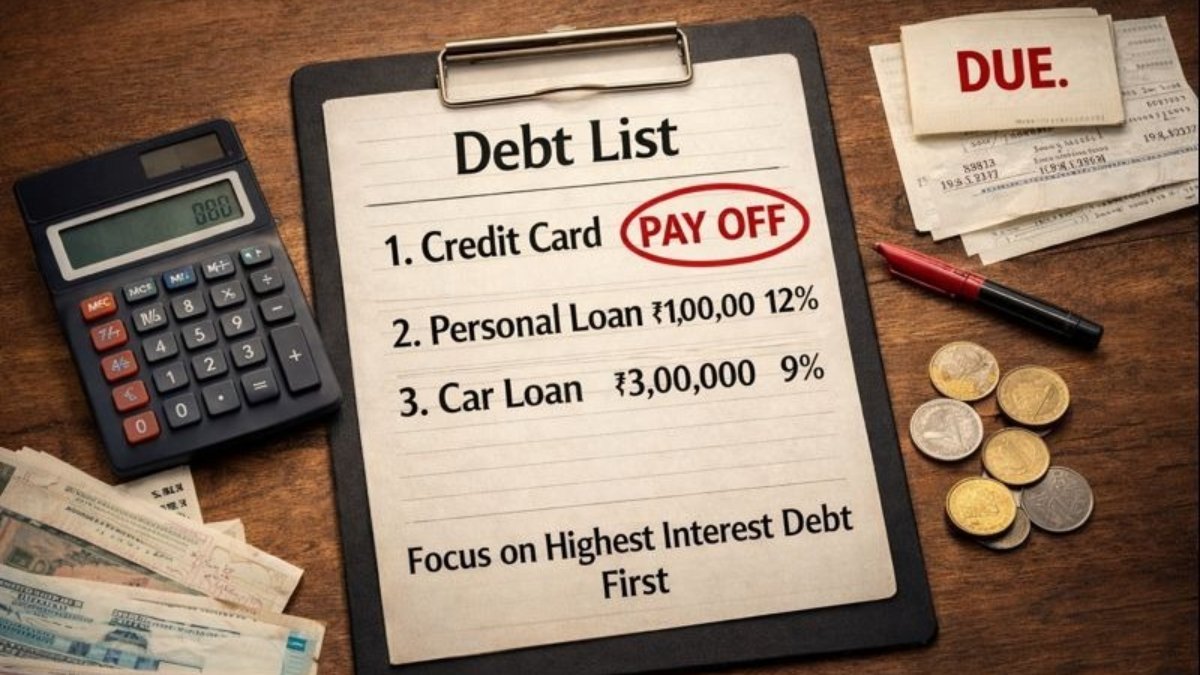
Effective debt management is crucial to long-term financial well-being. Awareness is the first step in managing debt responsibly. The fact that we don’t see our debt clearly means that many people feel stressed about debt. Create a complete debt list, including credit cards, education loans and personal loans, as well as any informal borrowing you did.
Document the outstanding amount, interest rate and monthly payment of each. When you’ve seen it all clearly, put repayment first. A tried-and-true tactic is the high-interest-first approach, in which you choose to pay any accrued interest on the debt at the highest interest rate, and keep paying minimums on other debt.
This lowers the overall amount of interest you pay over a period of time, and leads to getting debt-free much quicker. Another approach, the smallest-balance-first approach, can increase motivation by featuring quick wins. Do not increase new debt while paying off old loans. That is, limiting your use of your credit card, postponing purchases you shouldn’t do and living within your means. If you see debt as heavy, you may look into a finance advisor or balance transfers or loan consolidation and only when they really decrease interest expenses.
Tip: Start listing all your debts today; start right away by paying down the debt that has the highest interest. Any excess rupee you pay will save interest in the future.