In a major move to broaden the reach of India’s social security net, the Employees’ Provident Fund Organisation (EPFO) is likely to increase the wage ceiling for mandatory coverage under the Employees’ Provident Fund (EPF) and Employees’ Pension Scheme (EPS) from the current ₹15,000 per month to ₹25,000 per month. The proposal is expected to be tabled at the upcoming meeting of the EPFO’s Central Board of Trustees, scheduled for December or January.
What the Wage Ceiling Hike Means
The wage ceiling determines the maximum monthly basic salary on which mandatory PF and pension contributions are calculated. Currently, employees earning up to ₹15,000/month are automatically enrolled in EPF and EPS. Those earning above this threshold can opt out, and employers are not legally required to register them under EPFO schemes.
If the ceiling is raised to ₹25,000/month:
-
More salaried employees will be mandatorily covered under EPF and EPS.
-
Employers will be required to contribute to social security for a broader segment of the workforce.
-
Higher retirement savings and pension benefits will be ensured for millions of workers.
Labour Ministry’s Assessment
According to an internal assessment by the Ministry of Labour and Employment, the ₹10,000 increase in the wage ceiling could make social security benefits mandatory for over 10 million additional individuals. This includes workers in sectors such as retail, logistics, hospitality, and informal employment, where wages often hover just above the current ceiling.
Broader Reform Context
The proposed hike aligns with EPFO’s ongoing reform agenda, which includes:
-
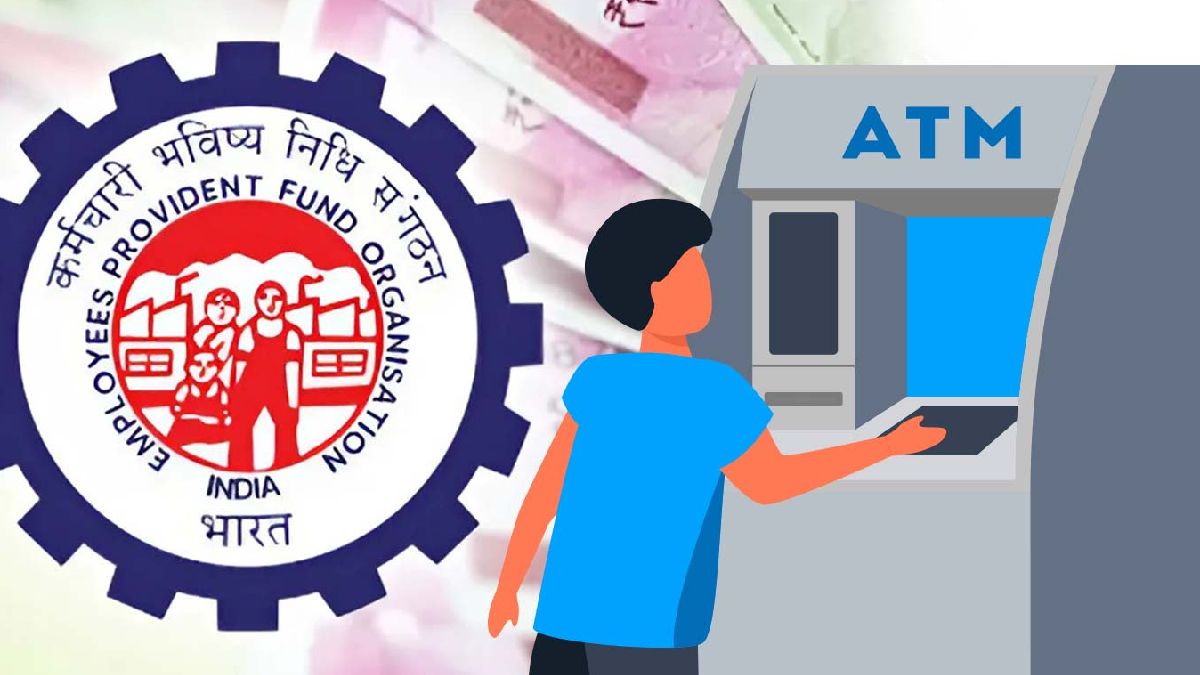
EPFO 3.0 rollout, featuring instant PF withdrawals via ATMs and UPI
-
Simplified withdrawal rules
-
Expanded pension eligibility, even for short-service employees
These reforms aim to modernize India’s retirement infrastructure and make social protection more inclusive and responsive to the needs of a changing workforce.
What’s Next?
The Central Board of Trustees will deliberate on the proposal in its next meeting. If approved, the new wage ceiling could be implemented in early 2026, pending notification by the government.