The rapidly escalating conflict between Iran and the joint US-Israeli coalition came to an alarming new high point on today, when a civilian passenger aircraft was confirmed destroyed on the tarmac at Bushehr Airport. The scene was in the context of a wave of heavily focused strikes aimed at strategic infrastructure, and was the biggest strike to Iranian civil aviation since Operation Epic Fury began.
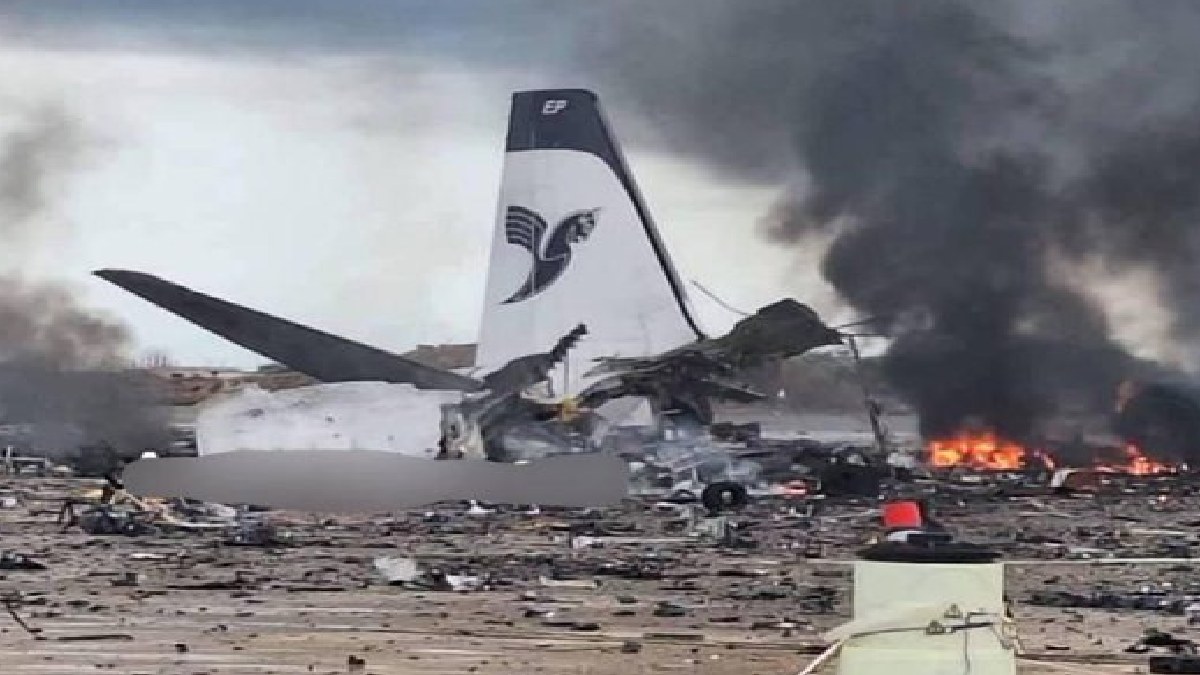
Bushehr Strike
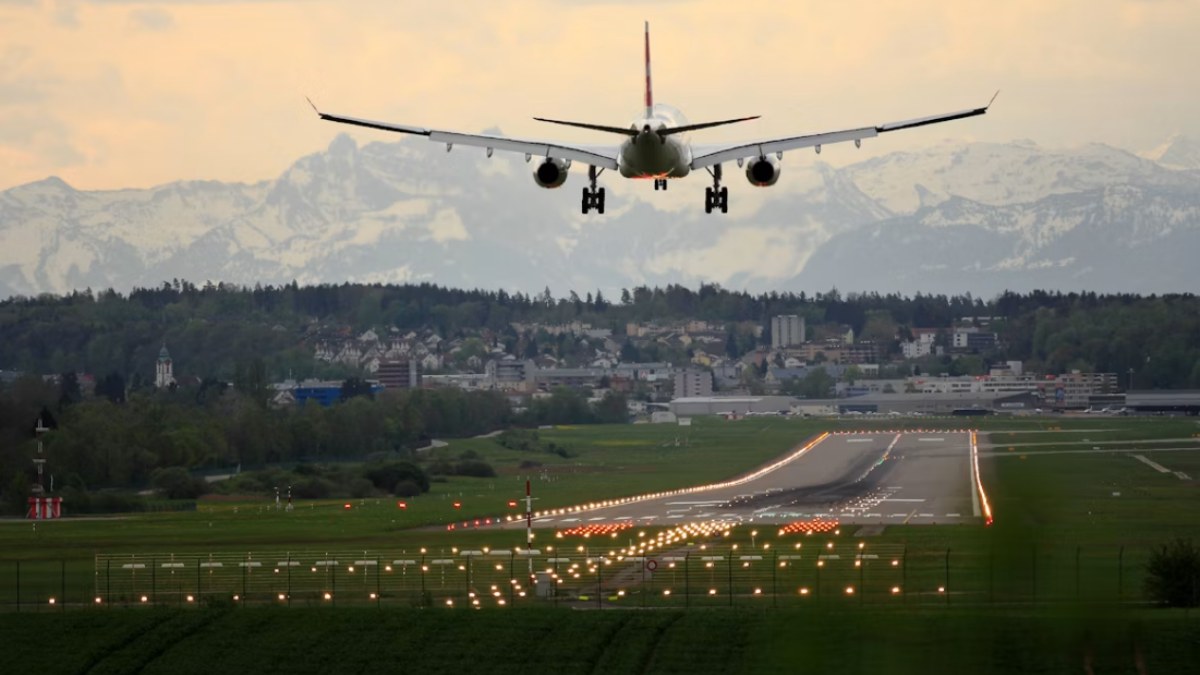
Footage posted to social media and verified by Iranian state media shows charred remnants of what looks to be an Iran Air narrow-body jet. The aircraft apparently sat at a terminal gate when a precision strike struck the nearby hangar and apron. Although the coalition has insisted that its targets are strictly military ones, including drones and missile silos, the destruction of a commercial airliner shows how “gritty and difficult” the campaign was in character, the US Joint Chiefs of Staff General Dan Caine said.
- Target area: Bushehr Airport, southern Iran
- Casualties: Ground crew members have reportedly been injured, but it was supposedly empty of passengers at the time.
In the capital, Iran's Mehrabad Airport, which handles most of domestic air traffic, also took up the targets. Heavy smoke billowed up from the western districts of Tehran near Enghelab Square, and local residents reported damages in residential buildings located near military industrial sites.
Strikes on HESA (Iran Aircraft Manufacturing Industrial Company), a key facility for the production of Shahed-series drones for use in retaliatory strikes targeting Israel and Gulf states, also began in Tabriz. EU triggers mass evacuationAnd, as the conflict enters into its fourth day, the European Union has transitioned from “advisory” to “active evacuation.”
In Iran, the death toll is over 780 and retaliatory strikes are hitting targets in Dubai and Abu Dhabi, so now it activates the EU Civil Protection Mechanism fully. “The safe departure window is closing,” said EU Crisis Management Chief Hadja Lahbib. “We are in coordination of funding and logistics for emergency flights to repatriate citizens from across the Gulf.”

Economic Fallout and Regional Disaster
The devastation of civil infrastructure has sent shockwaves through international markets. Oil prices have risen in part because of Iranian threats to fully block the Strait of Hormuz, and international carriers have halted all flights to the Middle East. With the US Embassy in Lebanon shuttered and humanitarian efforts warning of a crisis looming, the region faces a dramatic reversal.