The Indian rupee crashed to its lowest level against the US dollar, touching 96.35, as continued global economic pressures added to global economic uncertainty. The American currency’s strength persisted, and the economy had to cope with higher crude oil costs.
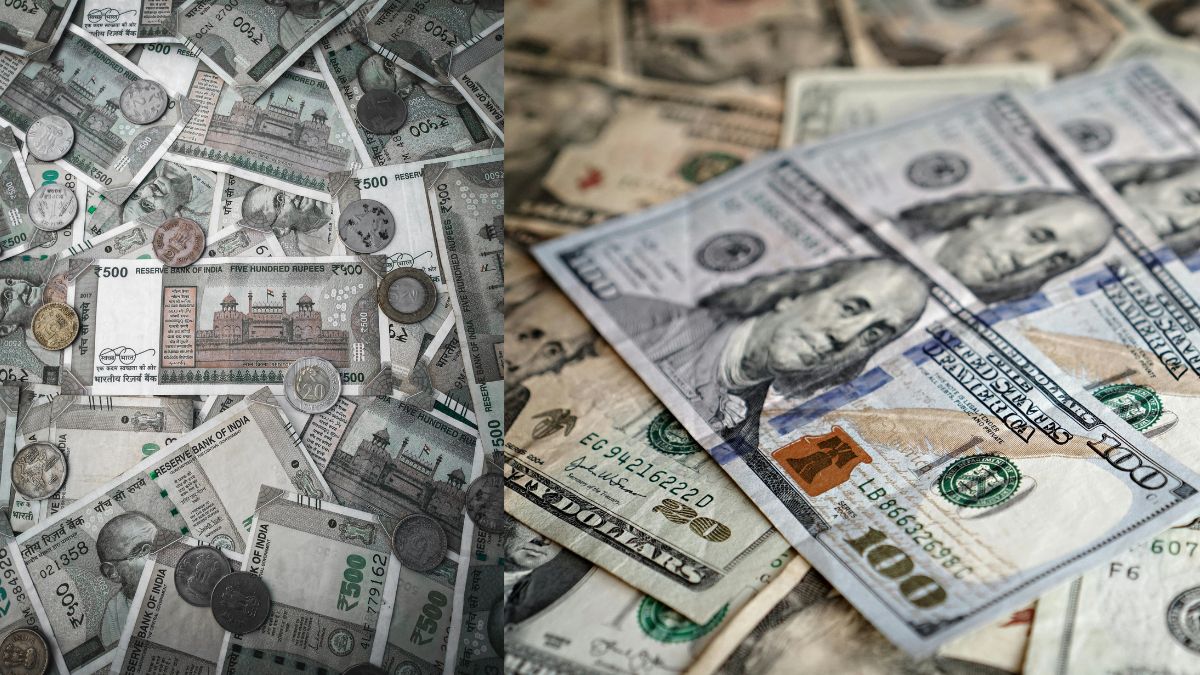
The steep fall in the rupee has only raised concerns on inflation, import costs and the economic future, particularly as India remains heavily dependent on crude oil imports. Continual dollar buying by importers and foreign investors switching resources to safe assets kept the rupee down the whole day, currency traders said.
This leads to the Rupee’s decline from global financial markets, a sign and a cause. Market experts referred to many causes, both international and domestic, for the recent rupee weakening. One of the most prominent reasons cited was the continuing strength of the US dollar in international markets. Investors have moved closer to the dollar based on geopolitical uncertainty and international financial markets.
The Indian currency has also been pressured lower, partly on rising crude oil prices. Oil prices are also elevated, and higher oil prices put upward pressure on the Indian import bill and demand on the US dollar, which hurts the rupee since most of India's crude oil needs go via imports. Concerns about inflation and cautious investors in emerging markets also translated into a weaker currency for us.
Impacts on the economy and its consumers
The rupee's depreciation, in turn, is likely to have far-reaching effects on both the Indian economy and the lives of ordinary people all around. Crude oil and electronics, machinery and foreign goods, among other products, become more expensive when the rupee depreciates against the dollar.
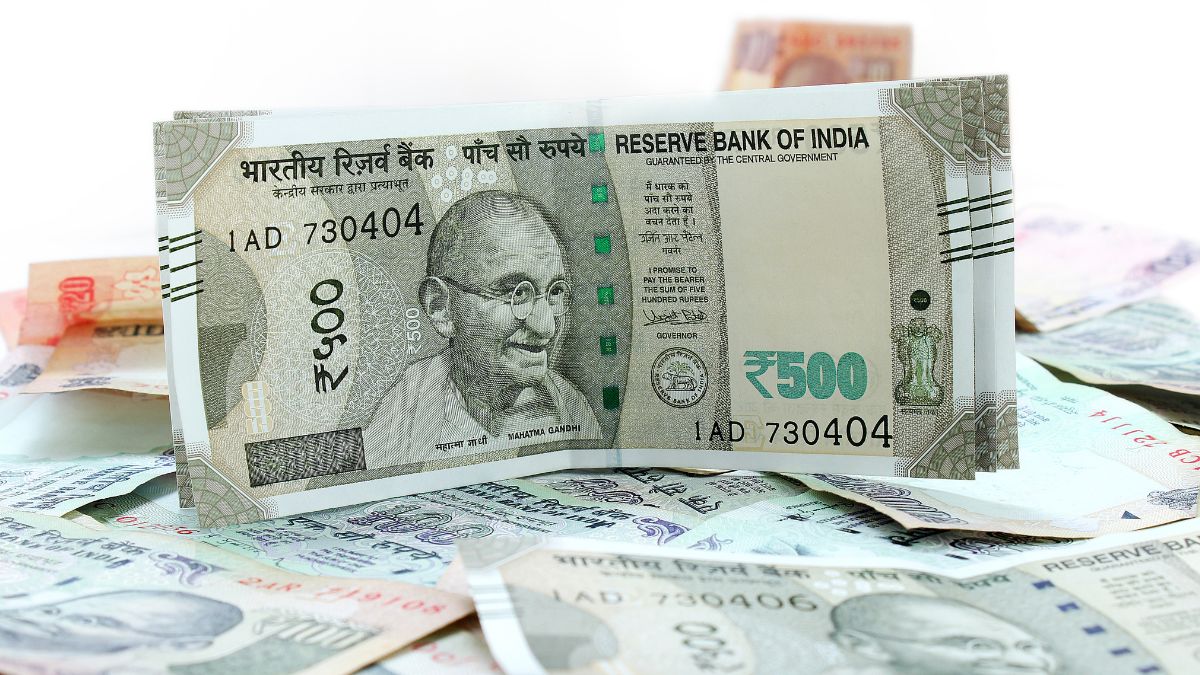
Eventually, this pressure means that the price of fuel, shipping, consumer goods and other goods and services also increases. And price hikes could add further stress to inflation, something households already faced with higher costs for living find especially concerning. But the weaker currency might help some sectors, too.
Industries with export-oriented needs, particularly those that rely heavily on exporting their goods and services to foreign markets, such as information technology, pharmaceuticals, textiles, software services, etc., will benefit as their profits abroad are distilled into rupees, where this can mean an increase in their profitability.
The rupee depreciation also hit investor sentiment in domestic financial markets. International institutional investors are leery against a backdrop of uncertainty and fluctuating commodity prices, which is global, analysts noted. The biggest difficulty companies, even those that are heavily dependent on imports, face globally is currency market instability.
The Reserve Bank of India is now closely watched by market participants as investors fret over its reaction and whether it will intervene in the rupee and help prop up that declining currency.
RBI Monitoring Situation
While the Reserve Bank of India does not issue an immediate report regarding the most recent drop, analysts think it is closely watching the forex market trends. The RBI has previously intervened by selling dollars that are in foreign exchange reserves (dollars) to curb excessive volatility in the rupee. Future rupee movements will be influenced by global crude oil markets, U.S Federal Reserve policy action, foreign exchange flows and geopolitics, economists said.
Market Outlook
The rupee is set to remain volatile in uncertain global conditions on the back of persistent external pressures as traders on Wall Street continue to speculate about the dollar's near-term outlook. Investors and businesses will most likely be conservative as we watch inflation trends, oil prices, and international currency movements and trends.
When the rupee has also settled down to a new all-time low, it puts the financial markets of India in another predicament and gives more confidence that increasing import-led inflationary pressures are the concern, if imports are what are predicted to cause India's inflation to soar sharply.