
Infosys is under fire after reports surfaced that it had disbursed stock grants worth around ₹51.75 crore to its CEO and Managing Director, Salil Parekh, while salary increases for ordinary employees continued to languish. ESOPs and RSUs are included in the company’s 2015 Stock Incentive Plan and its scaled-up ownership plan.
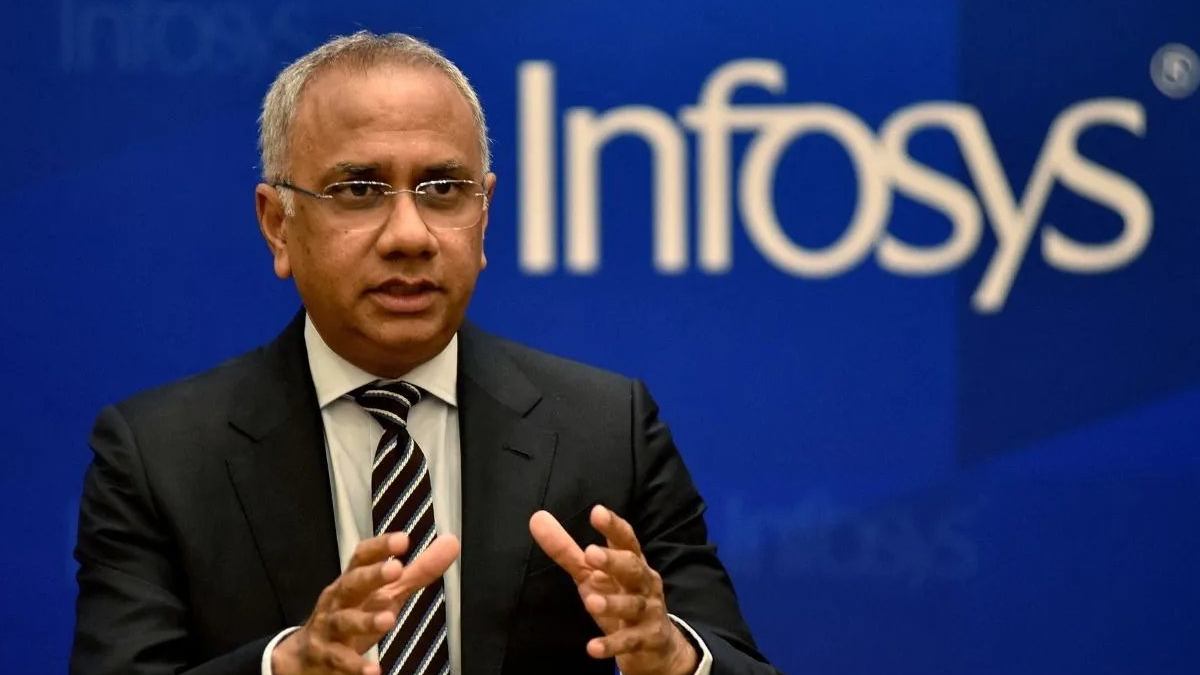
These incentive forms are performance-based but also provide a kickback to Parekh, steering Infosys in sustained profitability growth. But there’s a public outcry over when this announcement comes within the IT space and on social media. At the top of the chain have benefited immensely, but the large staff reportedly are behind the curve on raising their annual salaries.
They said that a delay in hiking came as the economic uncertainty continued and demand from the global IT services industry slowed. After a strong quarter in March, Infosys reported a net profit of ₹8,501 crore, up nearly 27.8% from the previous quarter. Its revenue ballooned to ₹46,402 crore, continuing under the general headwind of the industry. As well, Infosys had announced its last dividend of ₹22 per share, which all the investors have been happy.
While that’s a net-positive metric for their financials, the latter has not been entirely without cause for concern. For some, rewarding the best among us is just about what everyone else did, but postponing paying for high-profile employees a lot who go into the work stream, do things as expected, and bring in revenue gives off a mixed message.
These sorts of choices are relatively routine, analysts say, during times of economic distress. Several IT companies were cautious about costs due to a loss of client spending, project delays and global markets that fluctuate. When it comes to corporate governance and fairness, the disparity between companies in how they pay their top executives as opposed to their employees is a subject of public debate.
There are complaints and complaints on the internet with workers complaining that their involvement in the company is important, which should be recognised in a fast way through the changing of reward plans. It’s renewed the larger conversation about the pay gap for the world’s largest companies, particularly in high-yielding sectors such as information tech.
Strategically, Infosys was possibly trying to keep its top management high and prevent the business from going bust by handing out big ESOPs to its CEO. The point is very plain that leadership is critical to navigating the wild-card market and winning over the confidence of investors.
But tying leadership reward with employee well-being can be another slippery bit tricky. Firms should be certain that the cost-cutting they’re undertaking is not damaging employee productivity or morale, because employee happiness is the driving force behind both productivity and success over time.
Infosys is still a global company, still in transition; it will certainly not be easy right now, not only for the bottom line, but for its more important human capital. The prolonged debate has reinforced both the need for honest communication and fair policies if we are to maintain the trust of our staff, stakeholders, investors, as well as anybody else involved.








Comments
Leave a Comment