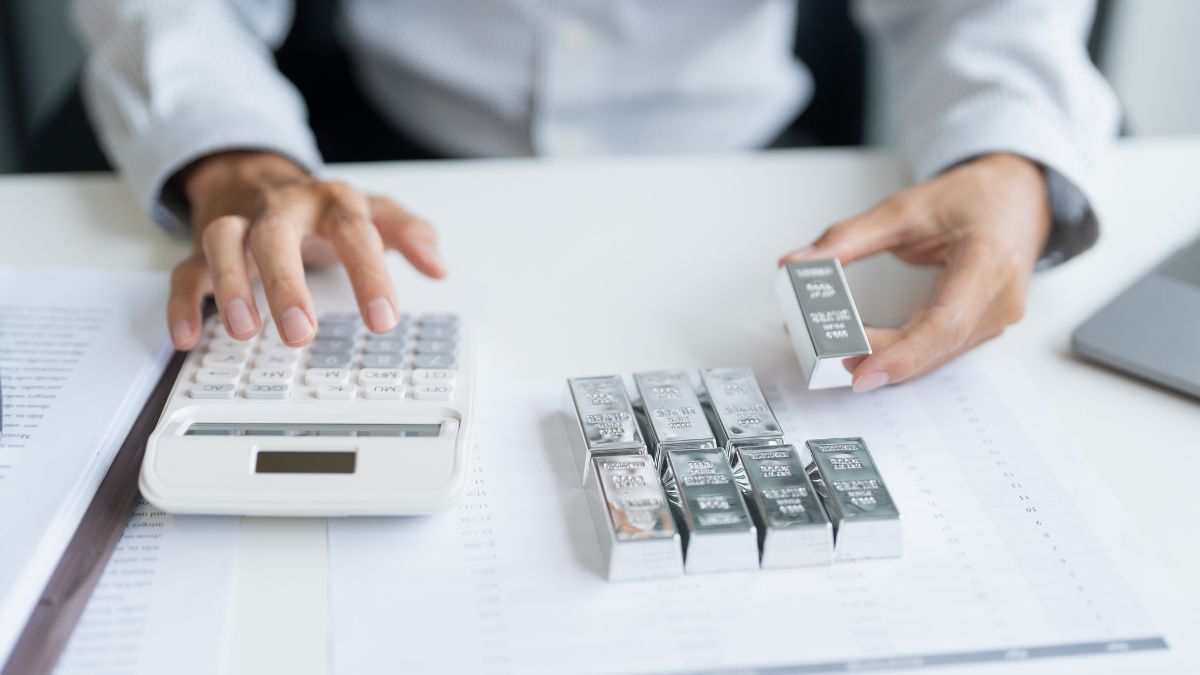
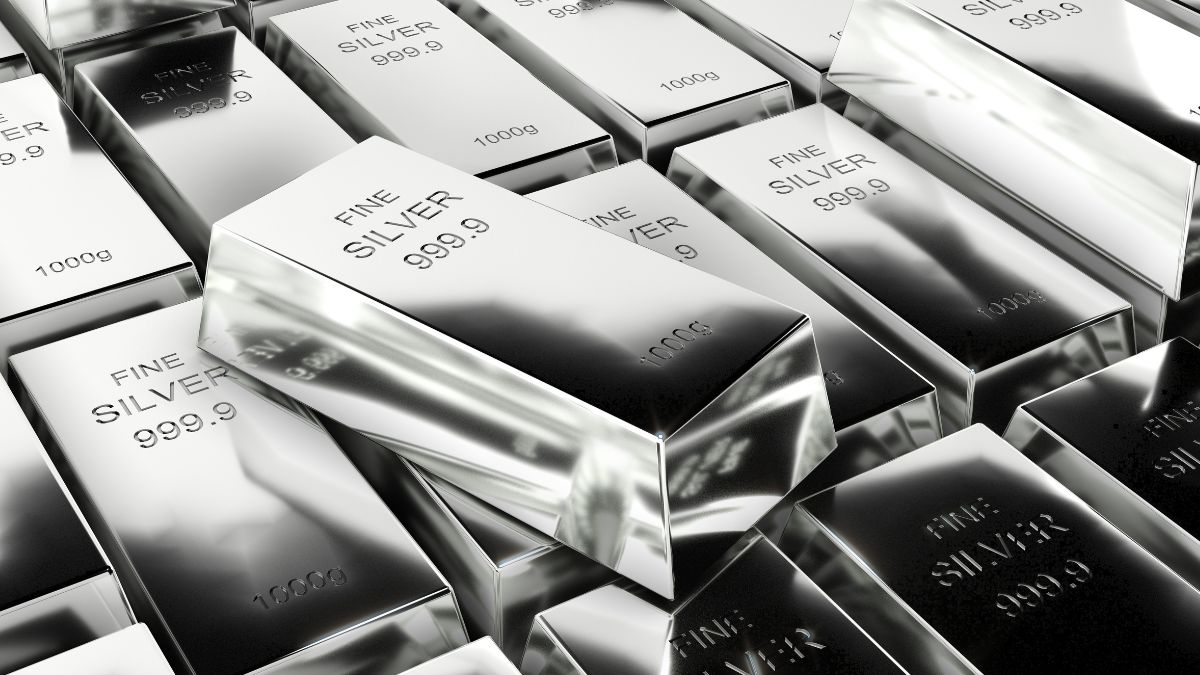
To be sure, silver is trading only 17% cheaper in India than China, a stunning anomaly in the global commodities market. Global silver prices are soaring in 2026 to record highs above $110 USD per ounce, and a huge price gap has formed between the two most important Asian buyers. This divergence unlike a random one is the product of a “perfect storm” of policy changes, export controls and a reckless stockpile boom.
Math Behind the 17% Difference
By late January 2026, silver in China has been trading at a premium, with local prices reaching as high as $125 per ounce on the Shanghai Gold Exchange. Meanwhile, India, in spite of the local boom driving prices to ₹3.2 lakh per kg but where this is translated into dollars, the effective rate is much much lower.
Current Comparison (Approx):
- China Price: ~ $125/oz (₹11,450 approx).
- India Price: ~$103/oz (₹9,984 approx).
- Difference: ~₹1,969 per ounce (17.2%).
China’s New Strategic Export Curbs (2026)
The government's decision to make silver a strategic resource is the key driving force behind the high Chinese cost. Beijing introduced the strict export licensing standards on January 1, 2026.
Licensing: Only 44 large, state-sanctioned companies can now export silver.
The Goal: China produces nearly 80% of the world’s solar panels and a vast majority of electric vehicle components. By limiting exports, China wants to ensure its own “Green Tech” industry has priority access to the metal, creating a local supply squeeze on a massive scale for everyone else.
India’s Duty Cut: The 6% Advantage. While in China, China is making it difficult for silver to go out; in India, the country has eased the doors open to silver in. Following a major policy change in late 2025, the Indian government slashed the import duty on silver bullion from 15% to 6%. This cut was intended to reduce smuggling and bolster the domestic production of local-market jewelry and solar power industry by boosting the production to local producers.
By reducing the tax barrier, India has successfully insulated its domestic retail price from the full impact of the global “Shanghai Premium.”
The Solar and EV Vacuum
China is now the world’s biggest “fabricator” of silver. Industrial silver demand is increasing fast in China, driven both by the AI infrastructure boom and the solar energy expansion. It is a phenomenon known as the “Shanghai Squeeze” — where local buyers are willing to pay 10–15 per cent more than the London spot price simply to secure physical delivery.
India, despite being a giant consumer, still thinks of silver as mainly a saving asset and for jewelry. Indian demand is notoriously “price-sensitive” when prices hit record levels, retail purchases from consumers often slow, which keeps local premiums in check relative to China’s frantic industrial stockpiling.
Global Supply Deficit
2026 is the sixth year in a row of a structural global silver deficit. Now, with global inventories at the LBMA and COMEX at multi-year lows, it's "pricing at the margin." Because China is a major refiner (responsible for 60-70% of the world’s refining), its internal shortage is more painfully felt at home than in the Indian markets, which have been aggressively importing and stockpiling in the past 12 months.