Infrastructure projects are intended to serve the public, keep people safe and provide connectivity benefits. But, corruption too frequently sabotages these efforts. The recent case of Maisnam Riten Kumar Singh, Executive Director of National Highways & Infra Development Corporation Ltd., shows how far corruption, however indirect, and systemic it operates, is impacting the road sector of India. The CBI identified him as a red handed man accepting a ₹10 lakh bribe on October 15, 2025. The bribe was allegedly taken in order to obtain a favourable extension of time and to issue a completion certificate for a four-laning project on NH‑37.
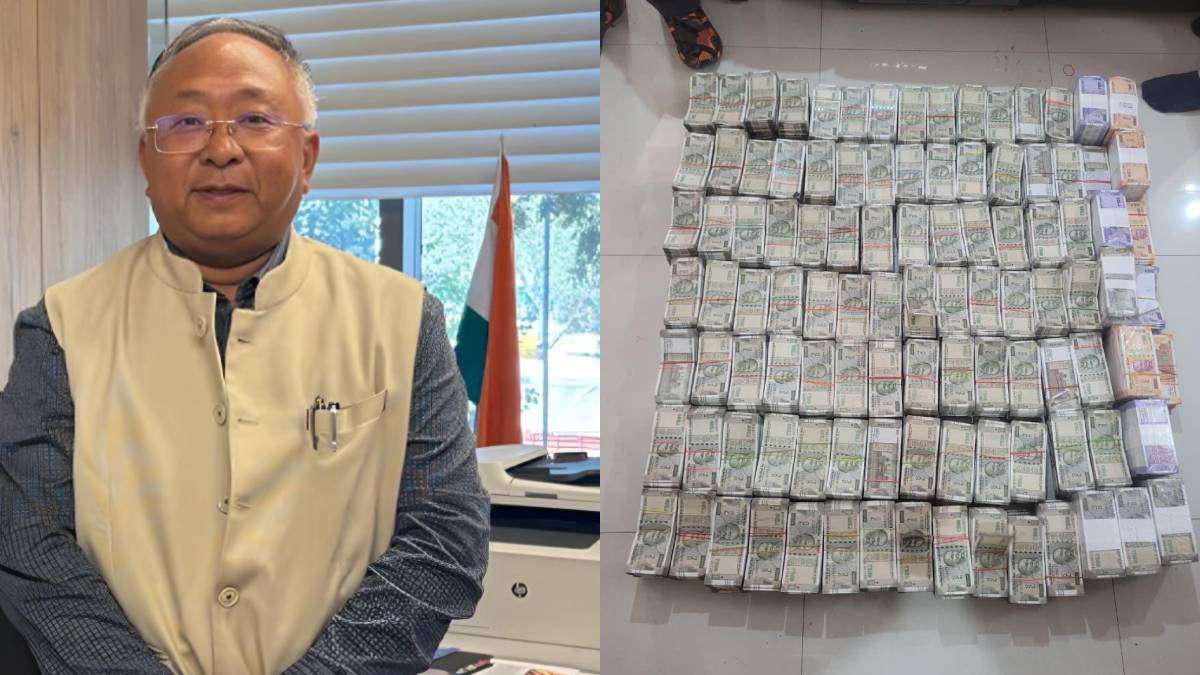
The CBI’s operation exposed more than one instance of bribery. Searching Singh’s house in Guwahati, searches found ₹2.62 crore in unaccounted cash. Investigators also discovered documents tied to dozens of properties, which suggested a broader web of wealth building that was far surpassing his official income. This was a revelation to many, given that Singh was an official with authority where his decisions had a direct bearing on deadlines, quality and payments for national highway projects.
This is not only about one corrupt officer. It shows how corruption of infrastructure development can become institutionalised. The consequence is severe if officials holding project certification pay bribes. Roads can be road-cleaned on paper but not in accordance with safety standards. It may be that deadlines are extended not because of any real delay, but because funds were exchanged for it. For example, payments can be passed without accountability, resulting in under-development, unsafe work.
The highways are erected with the taxpayers’ money. Citizens demand safe, healthy roads that enhance travel and minimize accidents. But corruption scatters money, dilutes quality and stymies advancement. The find of cash sitting at home and projects cleared using bribery demonstrates the breakdown of public trust. These actions, rather than benefiting the nation, benefit individuals.
Singh’s arrest should be a cautionary tale on the need for rigid oversight and transparency in infrastructure construction. Anti-corruption agencies must act decisively in the future, but so must systemic reforms. Digital tracking of approvals for projects, stronger audit and accountability systems, tightened audits and accountability measures can all be put into place to limit opportunities for bribery. Public awareness/media attention and publicity also contribute to the non-obscure.
Maisnam Riten Kumar Singh is not something that happened in a vacuum. It is an object lesson in how corruption can be a fixture of our infrastructure system in India. The bribe for certificates, hidden cash at home and projects cleared on paper demonstrate how badly matters need reform. Integrity needs to be in the heart of development if India is to construct safe and reliable highways.