
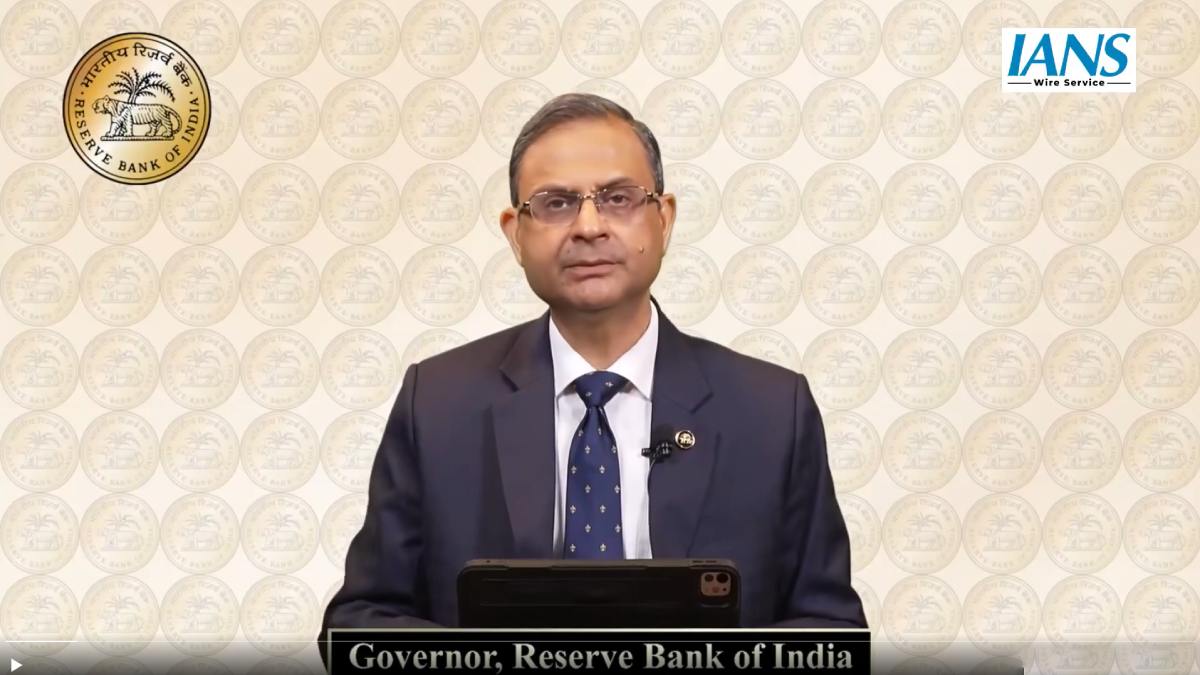
In a major move that could benefit millions of Indian households and small businesses, the Reserve Bank of India (RBI) is reportedly considering extending loan facilities against silver jewellery and ornaments, similar to the existing system for gold loans.
If implemented, this initiative will open up a new avenue of secured credit for individuals and small traders who hold silver assets but have traditionally been unable to use them as collateral. This decision could also reshape India’s rural and semi-urban credit landscape, where silver jewellery is widely owned and valued.
Why Silver Loans Are Being Considered
For decades, gold loans have been one of India’s most popular and secure short-term borrowing options. With gold prices soaring, RBI and financial institutions are now looking to expand collateral-based lending to include silver, given its increasing market value and accessibility.
Key reasons behind this move:
- Rising Value of Silver: Silver prices have been steadily climbing due to global demand in industries like solar energy, electronics, and jewellery.
- Financial Inclusion: Millions of lower-income and rural families own silver rather than gold. Allowing loans against silver helps bring them into the formal banking system.
- Diversification for Banks: Expanding beyond gold loans allows banks and NBFCs to reach a larger lending base.
- Economic Liquidity Boost: Easier access to loans means more cash flow for small traders, farmers, and artisans.
How Silver Loans Will Work
The process will be similar to gold loans, with banks or non-banking financial companies (NBFCs) evaluating the purity and weight of the silver items before sanctioning a loan.
Expected loan features include:
- Loan-to-Value (LTV): Around 60–75% of the silver’s market value.
- Accepted Collateral: Silver jewellery, bars, coins, and utensils (depending on RBI regulations).
- Loan Tenure: Likely between 3 months to 3 years, depending on the lender.
- Interest Rate: Expected to be slightly higher than gold loans, ranging between 10%–14% annually.
- Mode of Repayment: Flexible EMI options or bullet repayment (as with gold loans).
Once approved, the borrower receives the amount instantly in their bank account, while the pledged silver remains safely stored with the lender until repayment.
Economic Impact of Silver Loan Scheme
If the RBI officially introduces this scheme, it will have far-reaching economic implications:
-
Empowering Rural Economies:
Rural and semi-urban households — which often hold significant silver assets — will gain easier access to credit.
Boosting MSMEs and Small Traders:
Artisans, jewellers, and local manufacturers can leverage their silver stock for working capital. -
Encouraging Formal Borrowing:
Many individuals currently rely on local pawnbrokers or informal moneylenders. Silver-backed loans could shift borrowing into the formal banking ecosystem, ensuring transparency and fair interest rates. -
Stabilizing Credit Demand:
With silver prices relatively stable compared to gold, this move can balance credit risk for banks while ensuring liquidity for borrowers.
Silver vs Gold Loan – A Comparison
|
Feature |
Gold Loan |
Silver Loan (Proposed) |
|
Collateral |
Gold jewellery, coins, bars |
Silver ornaments, utensils, bars |
|
Loan-to-Value Ratio |
Up to 75% |
60–75% (expected) |
|
Interest Rate |
8%–12% |
10%–14% (estimated) |
|
Market Volatility |
Relatively stable |
Moderate fluctuations |
|
Borrower Base |
Broad, rural and urban |
Rural, middle-income, artisans |
|
RBI Regulation |
Fully established |
Expected soon |
This comparison shows that silver loans may soon become a practical alternative to gold loans — especially for those who have silver wealth but limited gold holdings.
RBI’s Official Stand (as of 2025)
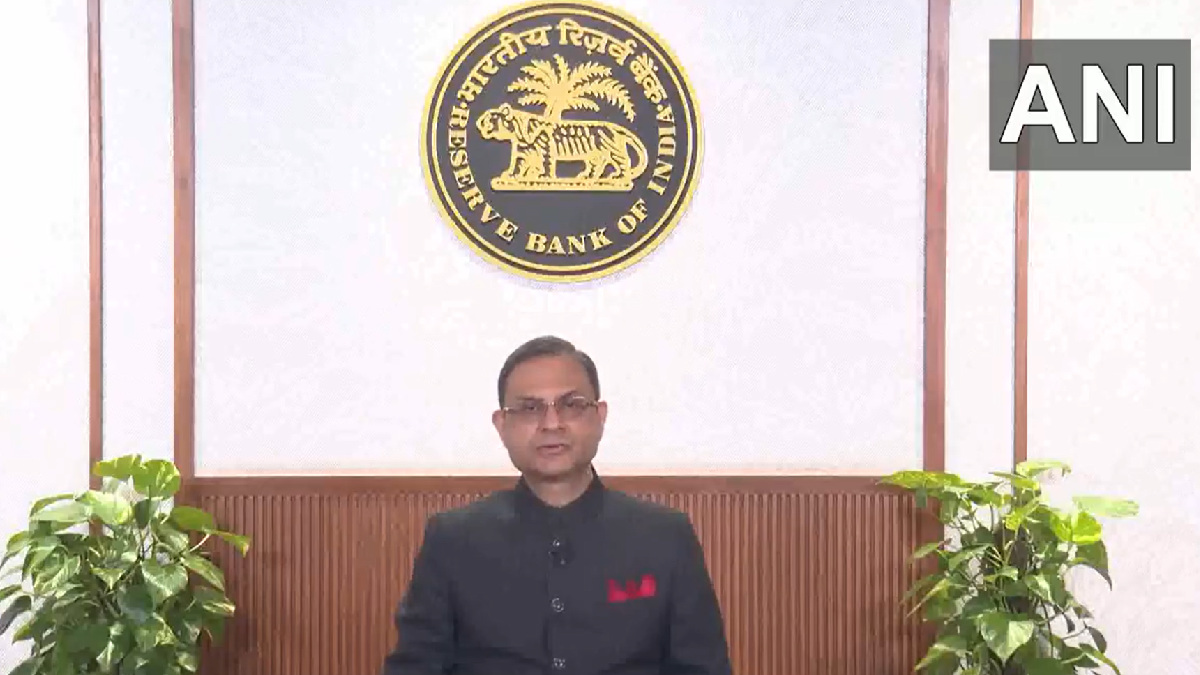
While the RBI has not yet officially notified this policy, multiple reports suggest that a framework for silver-backed loans is under evaluation.
The aim is to ensure:
- Standardized valuation methods,
- Secure storage infrastructure, and
- Transparent repayment terms.
Once formal guidelines are issued, both public and private sector banks, along with NBFCs, are expected to begin offering silver loan products under RBI supervision.
What Borrowers Should Keep in Mind
Before availing of a silver loan (once available), individuals should consider:
- Checking purity and valuation through certified channels.
- Understanding the interest rate and repayment schedule.
- Confirming that the lender is RBI-authorized.
- Avoiding over-borrowing against household silver assets.
Responsible borrowing will ensure long-term benefits and prevent financial strain.
The RBI’s proposed move to allow bank loans against silver jewellery could revolutionize credit access in India — especially for households and small business owners who rely heavily on silver as a store of value.
Just as gold loans became a financial lifeline for millions, silver loans may soon offer an equally powerful tool for liquidity, empowerment, and economic growth.
With silver’s global importance rising, India could soon witness the dawn of a new credit era — backed by the shine of silver.








Comments
Leave a Comment