
Indirect tax: Goods and Services Tax (GST)
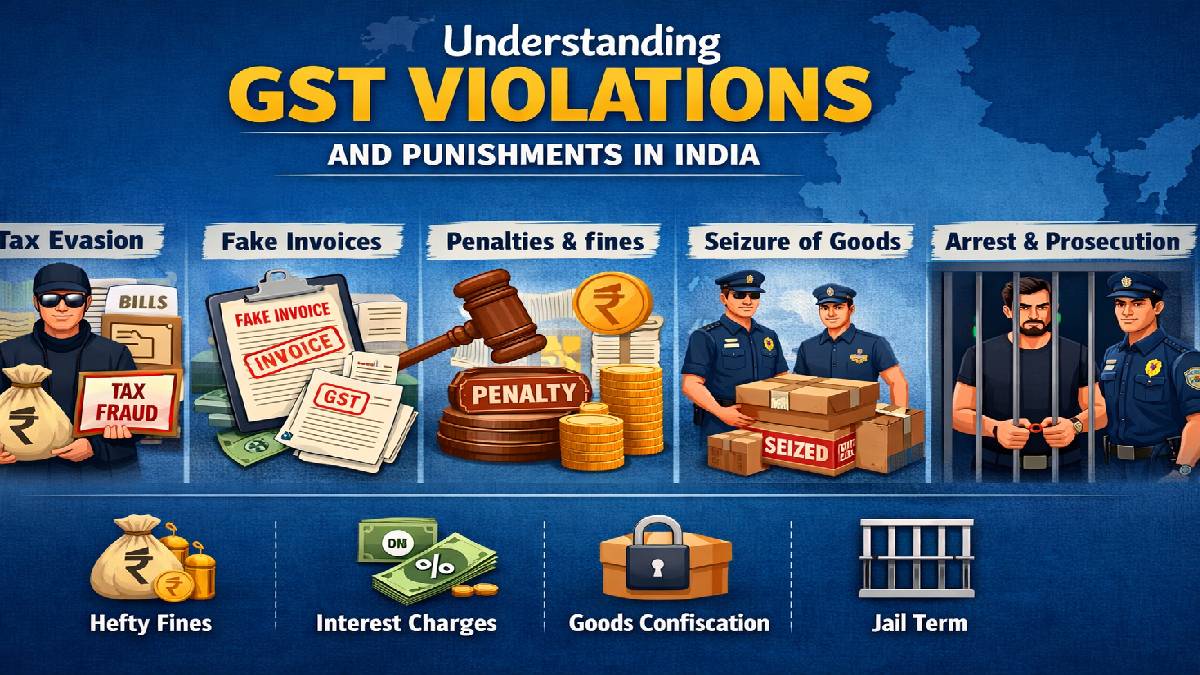
GST is one of the most extensive indirect taxes in India that replaces various taxes. The GST law does that by establishing offences and punishments like fines and imprisonment for offences. Here’s what an offence is, the punishments involved and judicial reactions.
What is a GST Offence?
According to GST policy, a crime takes place where there is an intentional transgression of a GST Act and Rules. 21 offences are listed under the law and can be broadly categorized under the following categories:
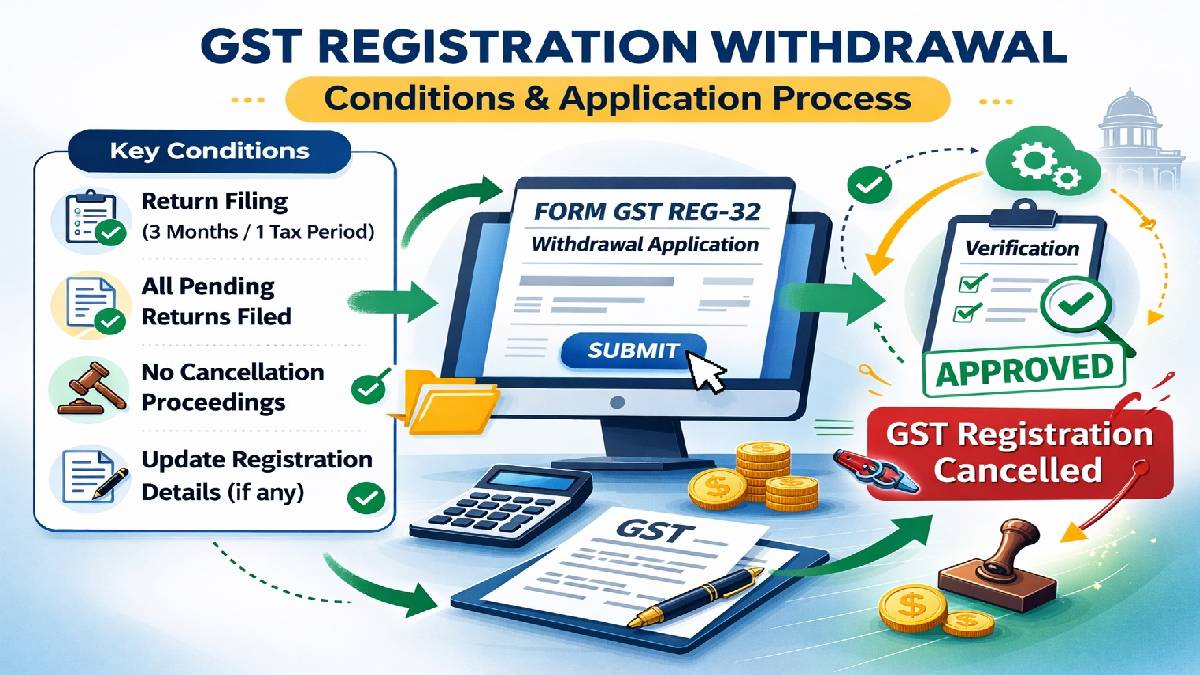
- Fake or Wrong Invoices: Delivering goods or services without issuing an invoice. Issuing fictitious invoices or making use of someone else’s GSTIN.
- Fraud: Not giving the requisite information to tax authorities. This includes submitting false information or maintaining fake financial records.
- Tax Evasion: Receiving GST from customers but not remitting it to the government. Falsifying tax refunds fraudulently. Sales suppression to avoid taxation.
- Supply or Transport of Goods: Movement of cargo, which requires proper documentation. Supplying goods that are subject to confiscation by the authorities within the relevant laws.
- Other Offences: Failure to register under GST. Not to deduct Tax Deducted at Source (TDS). Controlling or preventing tax officers from doing their job.
Penalties Under GST
Penalties for the offence under the GST law are intended to deter non-compliance proportionate to the level of the offence.
- Fraud Cases: Penalty for the tax evasion; 100% of the tax evaded or ₹10,000, whichever is higher.
- Other Offences: Penalty: 10% of the tax due or ₹10,000 whichever is higher.
- General Penalty: Fined up to ₹25,000 for crimes not described.
Common Offences and Punishments
|
Offence |
Penalty Description |
|
Late Filing of GSTR |
₹100/Day per Act, with the maximum penalty available at ₹5,000 |
|
Non-Filing of GSTR |
10% tax due, or ₹10,000 (whichever is higher) |
|
Committing the Fraud |
100% tax due, ₹10,000 + potential imprisonment |

Sentences of imprisonment for High-Value GST Fraud:
- ₹1–2 crore: Maximum imprisonment for 1 year.
- ₹2–5 crore: Jail term of up to 3 years.
- More than ₹5 crore: Up to 5 years of jail sentence.
Analysis on Judges and Enforcement Powers
The Supreme Court of India has repeatedly recognized the arrest powers granted in the GST Act, but emphasised procedural safeguards:
- Reason to Believe: Authorities must have credible reasons to believe that an offence has taken place.
- Documentation: This includes having proper documents of the arrest and justification.
- Arrested Person Right: A person must be notified of the grounds of arrest and be promptly produced before a magistrate.
“Judged in such a way, the court’s interpretation strikes a proper balance between the protection of human rights and protection of the legal process,” it wrote.
Businesses have to comply with GST in order to not face penalties, fines, and imprisonment. Recognizing what constitutes an offence, the severity of penalties, and judicial safeguards can support taxpayers to stay compliant and uphold their legal rights. The most effective manner in remaining within the law by being aware of this, is to keep the right eye on it, file accurate reports properly and file returns on time.










Comments