
Increasing grocery costs are driving a major chunk of rising wholesale inflation but also putting fresh stress on household budgets, and increasing food affordability worries across markets.
The steady increase of basic food products (vegetables, pulses, edible oils, cereals, milk products, packaged groceries) that is driving wholesale inflation movements, analysts and economists stressed. The consequences are being felt by customers, as well as by small businesses, whose daily bills continue to increase.
Where prices change at both producer and wholesale levels before a good enters the retail market is known as wholesale inflation. If wholesale prices spike, this ripple effect is often passed through to shoppers as retail prices go up in local stores or supermarkets themselves.
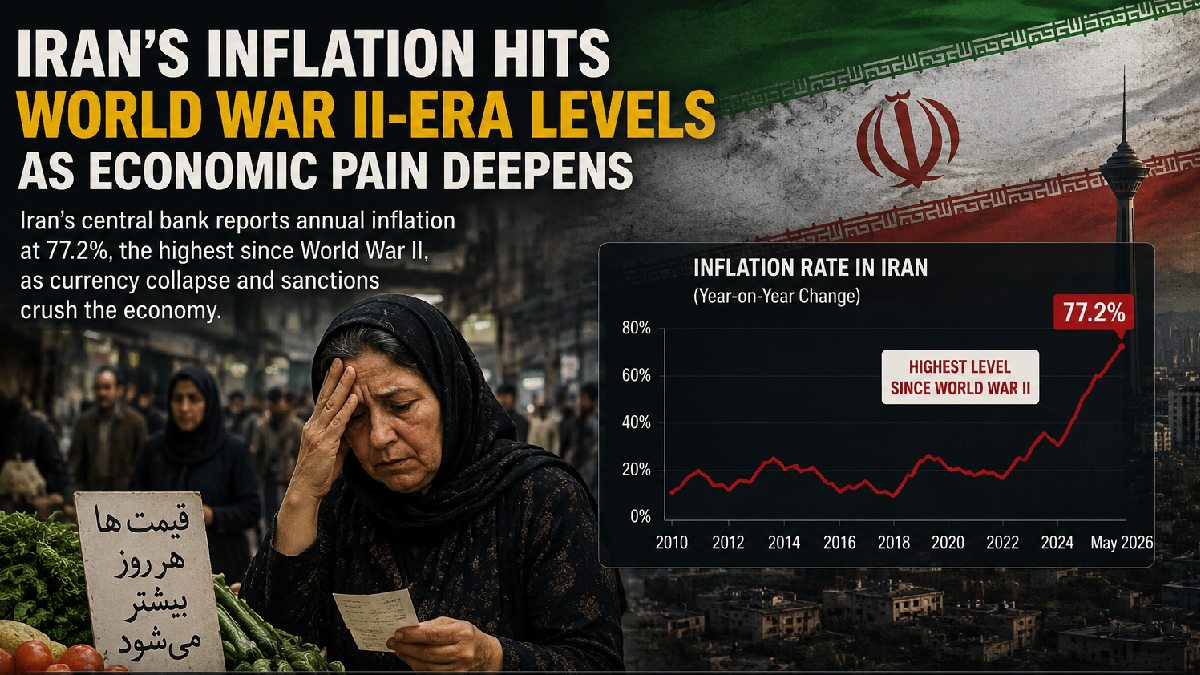
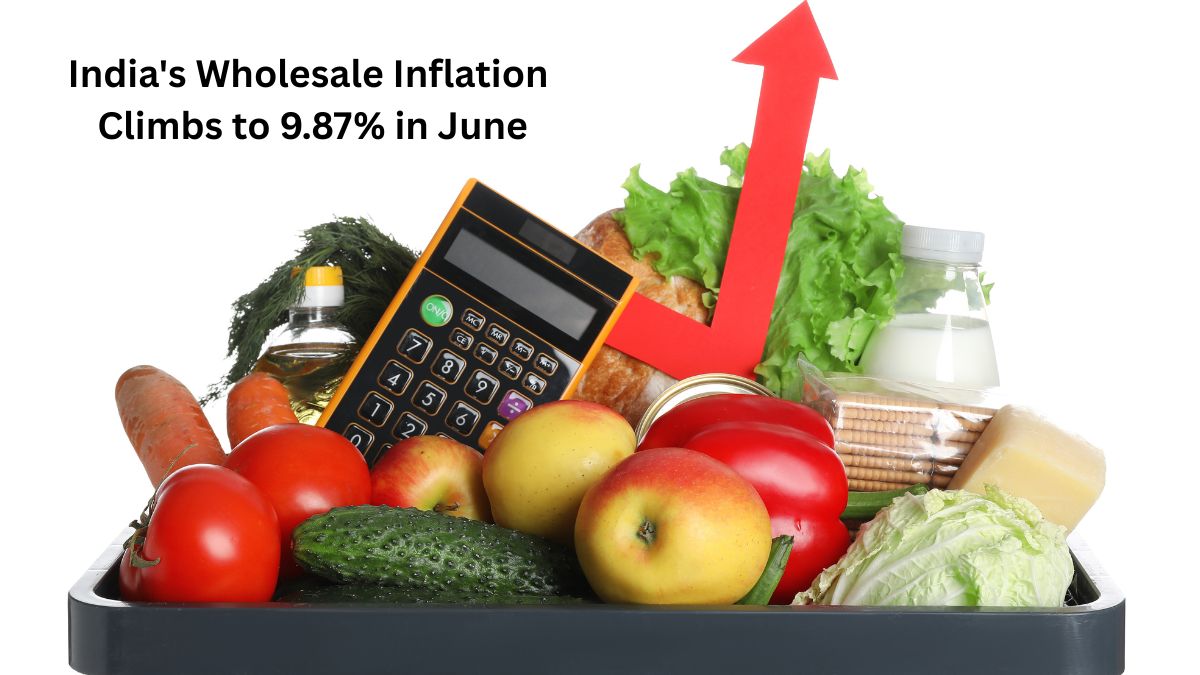
In the past few months, a lack of predictability in weather and other climatic factors, as well as transport costs that rise in volume, supply chain snarls and skyrocketing fuel prices, have made food prices hit even higher. The seasonal shortage of vegetables and agricultural produce has added to its inflationary pressures.
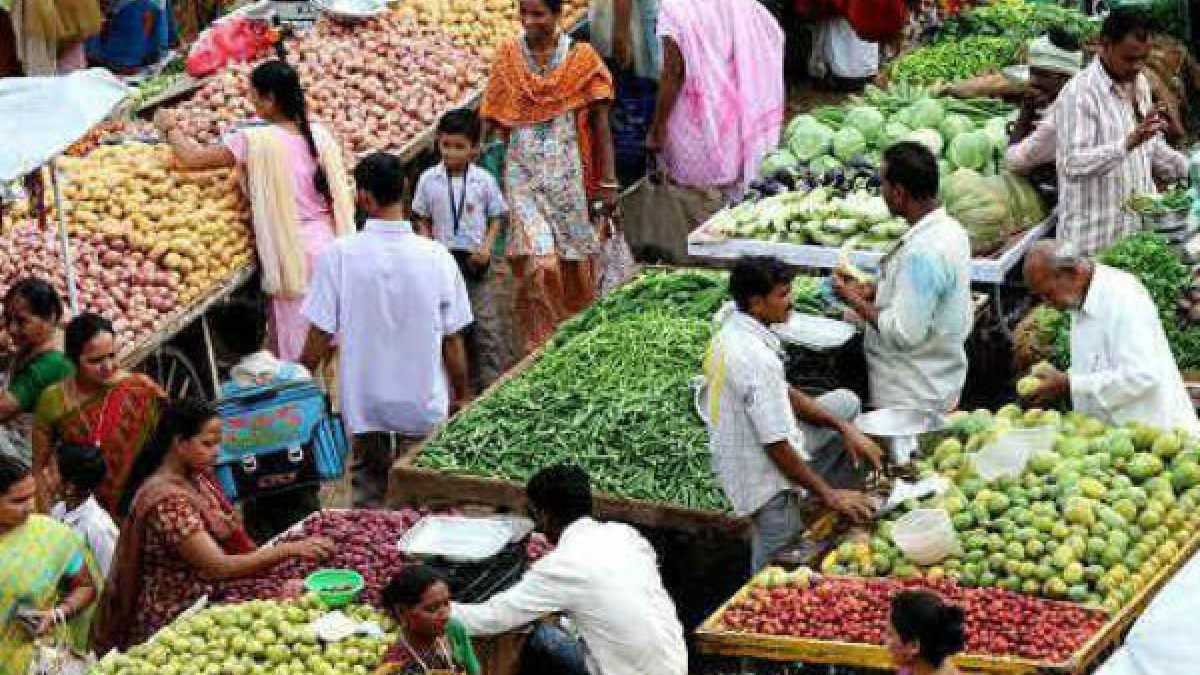
Household grocery items are going up each month as they rise in price, so middle-class families and poor families can barely afford their monthly bills, trade says. In several markets, the prices of onions, tomatoes, cooking oil, rice, wheat products and dairy have skyrocketed, consumers said.
Stories of inflation can come in pretty much any direction, experts say, with chronic food inflation dragging on overall economic sentiment, especially if growth proves too slow to keep pace with rising costs of living. High grocery prices can also reduce household disposable income, and that spending might trickle down to the entire economy, too.
Policymakers and financial institutions, too, are keenly tracking the trend because higher and rising prices are filtered down through to both how interest rates are set and government economic policy. Professionals say fuel prices continue to be a leading driver of inflation.
Transportation and logistics costs also bear into all moving food products from farms to the wholesale market to retail stores. International uncertainties and fluctuations in commodity prices and disruptions to international trade, of course, have driven up the rate at which imported food-related goods and raw materials have been charged higher.
A key factor to managing food inflation in the next few months will be to develop supply chains, clear transportation bottlenecks, and keep crop yields in the agricultural production line constant, experts say.
At the same time, shoppers in general are adjusting their spending levels accordingly, and they look for a cheaper option while slashing back on discretionary purchases to address the mounting price of groceries. It's come back to show how inflation at the wholesale level affects the everyday life situation of many households around the world.









Comments