
India’s wholesale inflation, measured in the Wholesale Price Index (WPI), climbed to 3.88 per cent in March because of elevated prices for major commodities like crude oil and natural gas. Statistics showed the increasing cost burden in the economy, particularly in the energy sector, where it starts to accelerate across sectors and ripples through to other sectors.

The most recent figures released by the Ministry of Commerce and Industry revealed that fuel and power prices had driven inflation rates higher. Prices increased sharply for crude oil and natural gas during the month, raising input costs on production and transport.
Energy Prices Drive Inflation
Oil and power sector was a key component to wholesale inflation’s increase. There had been a global wave in the global crude oil markets, and an upward trend in prices had been driven by supply-side constraints as well. India depends heavily on imports of oil global markets are prone to ups and downs that cause local prices to surge and exports are in the headlines, too.
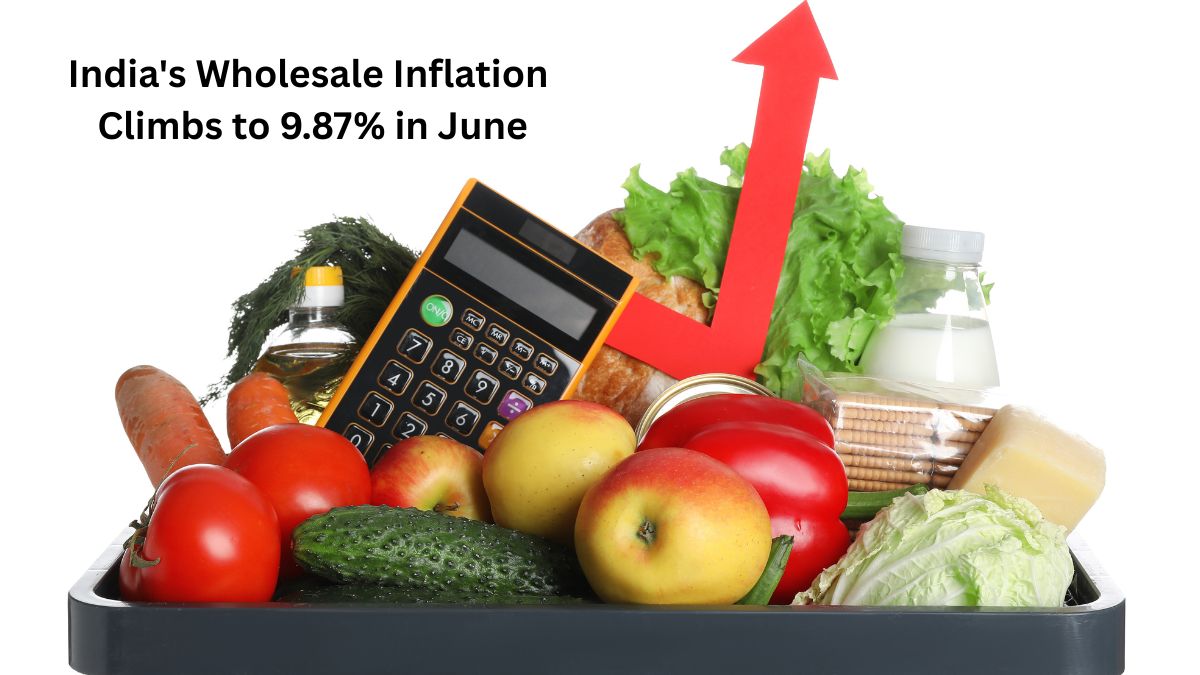

Gas prices also ticked higher, boosting inflation on a national level as well. The increase of energy prices affects production costs equally in various sectors as in the manufacturing, transportation activities, and agriculture that eventually lead to the prices of final products. Impact on Economy and Industry
Inflation is also causing firms to bear higher costs costs that may be passed through to consumers in the coming months, due to higher wholesale prices. The fuel-dependent sectors of these products include transportation, chemicals, and heavy-duty manufacturing, which might be highly vulnerable.
And stubbornly high input costs in those parts of the supply chain, economists say, will further press down profit margins and dampen economic activity that has recently started to show signs of recovery. Retail price inflation is, of course, another sign of actual activity, but wholesale prices usually function as an early or a very early cue to future price patterns in consumers’ behavior.

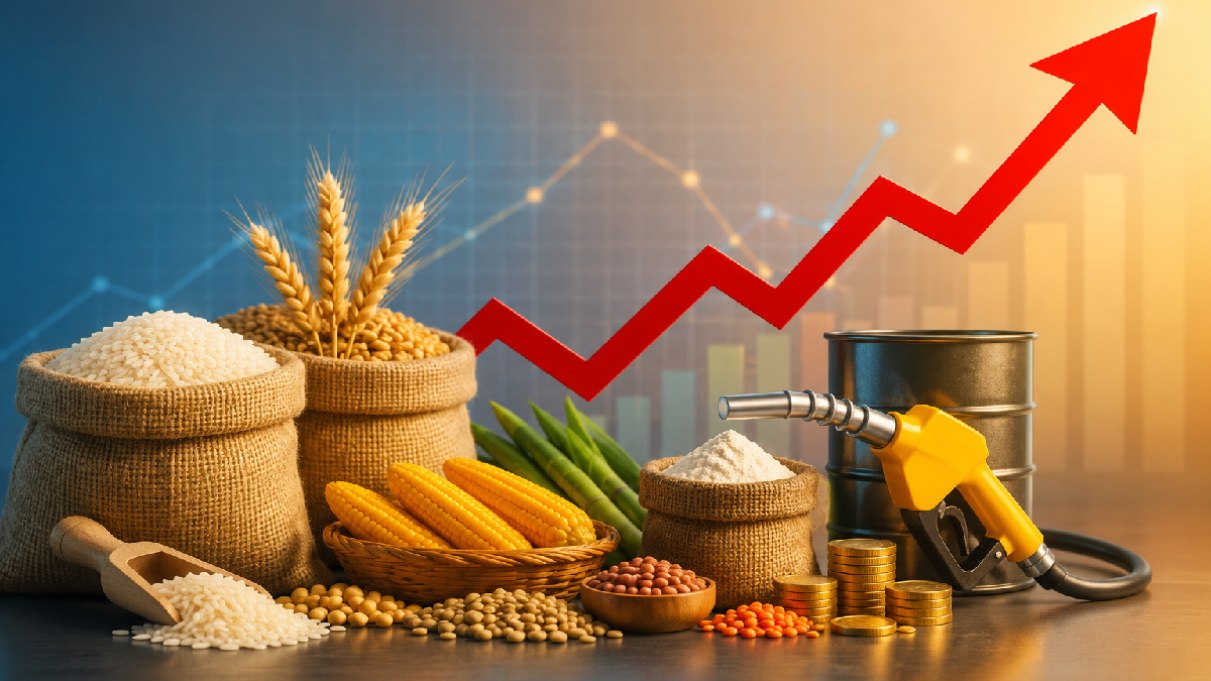
Trends in Food and Manufactured Goods
In addition to fuel, certain category goods also saw price increases that added to the increase in WPI inflation. By contrast, food was less mobile than energy commodities. As fuel prices surge alongside stable, though above-market manufacturing prices, this inflation rate is at 3.88 percent today.
Policy Implications
The rise in wholesale inflation comes during a time when financial market people are monitoring how prices trend in order to remain buoyant. Ongoing inflation pressures could impact interest or fiscal policy decisions. And if crude prices continue to worsen, the world’s main suppliers of crude oil, the United States and India, are likely to consider doing so too, worried inflation could rise further in the months ahead.
Today's inflation is still within a manageable range, so to speak. But the energy price path must clearly guide future trends. If world crude oil and natural gas prices stabilize, inflationary pressures may calm. However, a continuing period of volatility poses dilemmas to both businesses that want, or are attempting to make their policy decisions for, the future and to those who act now.
Such efforts to do so will be of utmost import in helping to steer future activity and provide them with better economic prospects. But we must look back on this as a long-term challenge. The fact that India’s wholesale inflation rate increased to 3.88% in March indicates how much the global energy cost influence domestic economic fundamentals. But careful monitoring must proceed at an accelerated pace to prevent inflation from coming to the surface and for economic growth to reach new heights.








Comments