
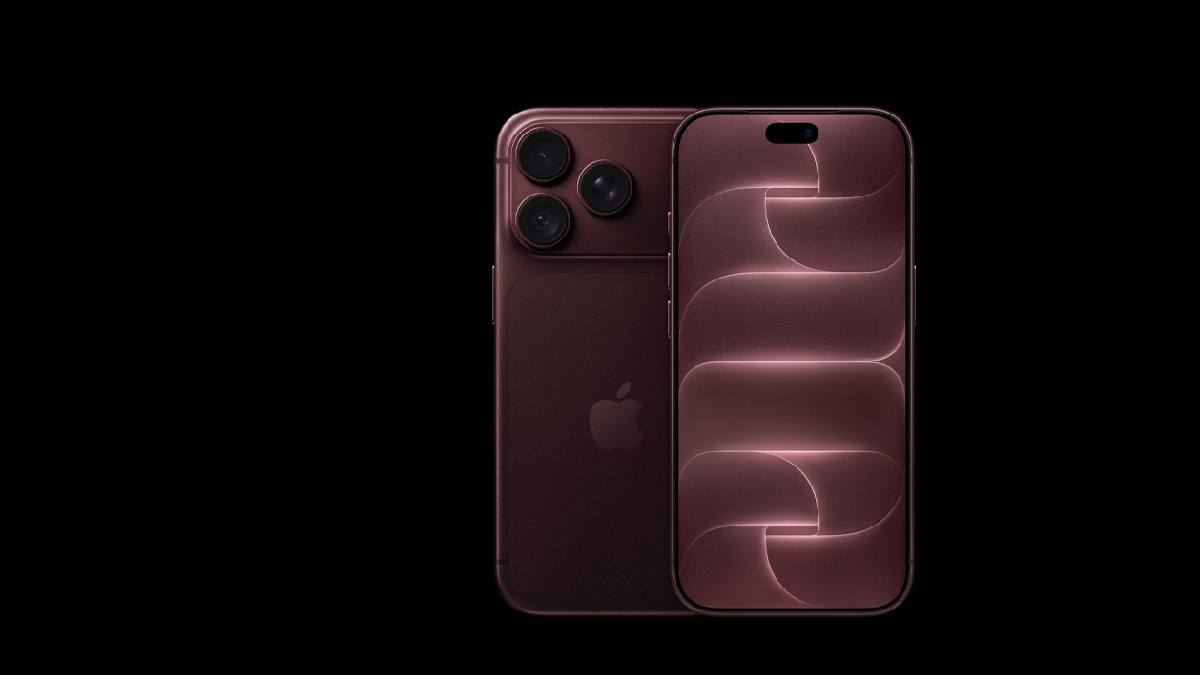
Apple’s premium smartphone strategy is being put to the test as reports suggest that the company has asked some suppliers to reduce component production for the iPhone 18 Pro and iPhone 18 Pro Max. With the news that demand for the latest flagship models has been weaker than expected, October component orders have been cut by about 15% to 20%, Nikkei Asia says. Memory chip prices and higher retail prices are putting pressure on consumers to upgrade.
The production change does not necessarily mean Apple is giving up on its iPhone 18 sales forecast. Component orders can change when companies look at demand, inventory levels and delivery schedules after a product launch. But the reported reduction raises questions about whether the latest Pro models are drawing enough customers at their larger prices.
Apple has not publicly confirmed the component-order cuts in the information available for this article. The figures should be classified as supply chain reporting as opposed to an official announcement from the company.
iPhone 18 Pro And Pro Max Prices Have Increased
The higher price of Apple’s latest premium phones is one of the main reasons being discussed in connection with the reported slowdown. In India, the iPhone 18 Pro is listed in the supplied pricing information at ₹1,64,900 and the iPhone 18 Pro Max starts at ₹1,79,900. In the U.S., the two Pro models have been priced at $100 higher than the ones before.
For consumers who upgrade their phones every two or three years, even a mild price rise is enough to affect consumers’ purchasing decisions. The cost of a new camera system, a better performance and software features could be compared with the cost of keeping an existing device for longer.
Premium smartphone customers are known to care about high-end hardware and long-term software support. But you can’t be happy if the price of a flagship device goes up with the cost of other household expenses.
Some customers might wait until it is too late to upgrade, consider an iPhone that is older than the iPhone 7, or look at other premium Android devices before buying one.
Shorter Waiting Times May Signal A Change In Demand
Another one of the factors most often cited in reports of the iPhone 18 Pro is the decline in average delivery times in various markets of the time. Short waiting times for goods can have more than one explanation. Apple and its suppliers have improved production and distribution and devices are coming to market quicker: They may mean that demand is no longer greater than available supply to the same extent as it was prior to launch.
For that reason, waiting times alone are not enough to establish that sales are falling. A clearer picture would require information about actual sales, inventory levels, channel shipments and the pace at which retailers are selling their stock.
The reported component-order adjustment may be a combination of demand conditions, inventory planning and changes in Apple’s product launch schedule. The big question is whether demand is still strong enough to support the production volumes originally planned for the premium models.
Could Apple’s iPhone Duo Face A Similar Challenge?
Apple’s first foldable smartphone, which is called iPhone Duo in the report of the publication, has a different but related problem: its high price. The 256GB version is priced at ₹2,99,900 in India, much above the price of most flagship smartphones.
A foldable smartphone is an entirely different thing than a smartphone. People who want more screen space to read, work, take pictures or enjoy a few minutes in a more casual way can enjoy its larger, more flexible display and still have a smartphone that folds into smaller form.
But the price might limit its user base. At close to ₹3 lakh for iPhone Duo, that’s a big price to pay even if you are a consumer who already buys premium electronics. Buyers will have to determine if the foldable design is a good enough thing to justify the price difference.
Manufacturing a foldable smartphone can also be more complicated than making a conventional handset. The flexible display and hinge design and testing of the foldable display and hinge mechanism need to be carefully engineered and tested, and durability and quality control of smartphone material is also much harder. These could lead to high production costs and make it more difficult to sell the phone at a lower price.
The performance of the iPhone Duo will depend on consumer interest, product reliability, availability and the benefits buyers perceive in the foldable format. While premium smartphone demand is a concern, it doesn’t mean that the foldable model will perform well.
Memory Chip Costs Are Affecting The Smartphone Industry
The price pressure on smartphone prices extends well beyond Apple. Memory chips used in smartphones, computers and other devices are in high demand, in part because technology companies are investing heavily into artificial intelligence infrastructure. AI data centers, for example, need large amounts of sophisticated memory, leading to increased competition for supply and higher component prices.
According to research firm IDC, global smartphone shipments are expected to fall 16.7% in 2026 and average smartphone selling prices will increase by 27.6% to $581, which is due in part to the memory shortage and increasing manufacturing costs.
The projections illustrate a difficult place for smartphone manufacturers. Higher component costs will force brands to raise retail prices, reduce the number of models they offer or absorb some of the extra expense themselves. Each of these approaches is risky, especially in markets where consumers are sensitive to price changes.
In India, currency movements can add another layer of pressure because many smartphone components and finished devices are linked to international supply chains. A weaker rupee can make imported electronics and components more expensive, although the final retail price also depends on taxes, distribution costs, brand pricing and local market conditions.
Should Buyers Purchase An iPhone Now Or Wait?
Apple’s reported production cuts do not guarantee that the iPhone 18 Pro or iPhone 18 Pro Max will become cheaper. Component order adjustments are not the same as an official retail price reduction, and the company has not confirmed a price-cut plan in the information available here.
Consumers who are looking to upgrade should consider their current phone to be still capable of handling their needs. For those who have a functioning phone, the price, exchange offer, bank discount and older models can be taken into consideration before making a decision. Those who want a replacement now should compare the iPhone 18 Pro with other tier one smartphones on performance, camera quality, battery life, software and overall cost.
A temporary promotional discount is not just different from a permanent price reduction. Retail offers may vary between sellers and over time, so consumers should be aware of whatever amount they have to pay and warranty terms and not just about the advertised prices.
For now, Apple’s supplier-order changes reflect the challenge between increasing manufacturing costs and consumers’ willingness to pay for premium technology. If the change signals a longer-term demand problem or a more cautious production policy, we will know more about sales and supply chain dynamics in the coming years.







Comments