Music can be a lot of fun whether you are heading out on a long road trip or just keeping track of your daily life. Bluetooth, Android Auto or Apple CarPlay are not available in every car at the moment. With such a small setup of technology that the radio only works on the car radio and not the smartphone, it is really easy to get a simple FM transmitter to work with you.
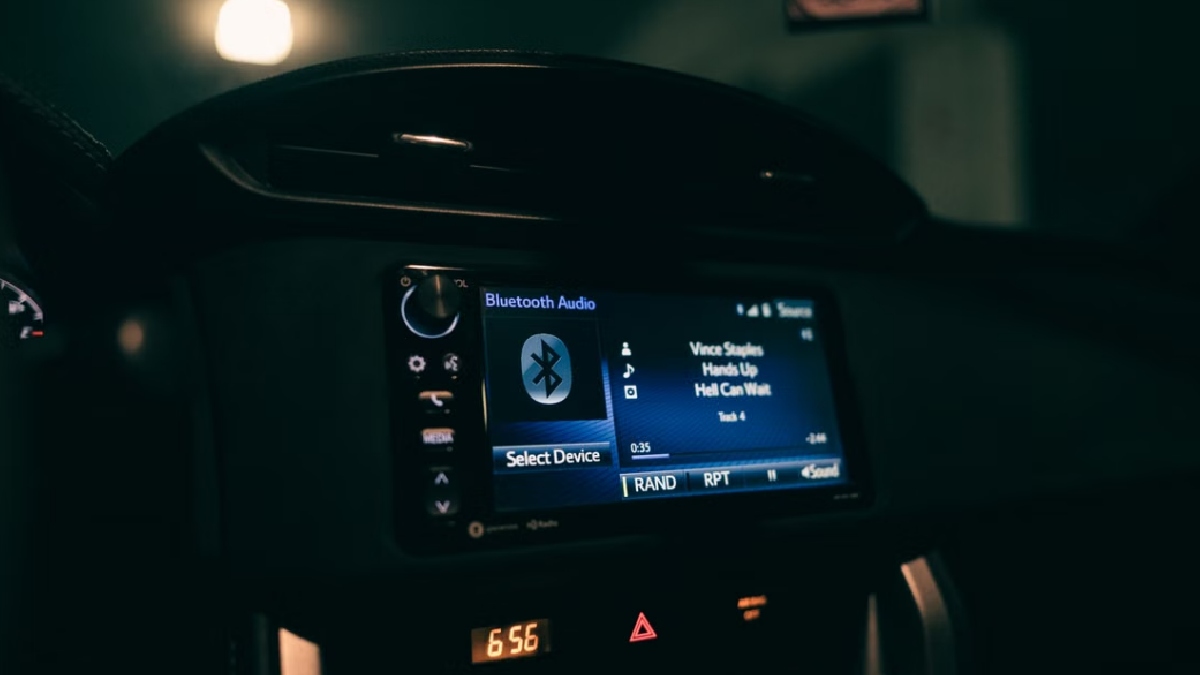
The biggest benefit of an FM transmitter is that older cars can experience modern connectivity without the need for high-end stereo upgrades. Most transmitters plug into the 12V power plug into the vehicle and some are for USB ports.
Once connected, the smartphone can be paired with the transmitter via Bluetooth, the FM frequency selected is set on the car stereo and your music, podcasts or navigation instructions can be played on the car speakers.
For music lovers, the convenience is especially attractive. Instead of resorting to radio stations or data storage devices that carry music to them on their smartphones or digital storage devices, drivers can stream playlists from their smartphones.
Whether you prefer Spotify, YouTube Music, Apple Music or another streaming platform, your phone is the transmitter and the transmitter is essentially a bridge between the phone and the car’s audio system.
Many Bluetooth FM transmitters are far more than just music playback. Hands-free calling is a common feature of FM transmitters, with built-in microphones to answer calls without a smartphone. Most of them also come with dedicated buttons for answering or ending calls, changing tracks or adjusting volume.
This can make them useful for drivers who want a more convenient way to manage calls and audio while keeping their phone within easy reach.
Just one other useful thing that is common for many of these devices is USB charging. Many transmitters have one or more USB-A or USB-C ports for charging a smartphone while it is being used for streaming or navigation.
Higher-end models are capable of faster charging technologies, making them more practical during longer journeys. Buyers should check the charging specifications of a transmitter before purchasing, especially if fast charging is important.
Choosing the right FM transmitter requires attention to a few important factors. Bluetooth compatibility should be checked first, particularly if you use a newer smartphone. Sound quality is another consideration. While FM transmission is convenient, audio performance can vary depending on the transmitter, radio system and local frequency interference.
A device with a stable connection and clear transmission can provide a much better listening experience.
The range of available FM frequencies is also very important. A good transmitter should allow users to select different frequencies, so that they can find one with minimal interference. In busy urban areas, unused FM frequencies can sometimes be harder to find, so having more frequency options can be helpful.
Design and controls also matter. Because the transmitter is usually located near the dashboard or centre console, a compact structure can make it less distracting. Large, clearly labelled buttons can also make basic controls easier to operate. But drivers should always keep road safety at the forefront and should not alter settings while driving.
Bluetooth FM transmitters are particularly useful for older vehicles that have no built-in Bluetooth connection. It’s a relatively inexpensive way to add wireless music streaming and hands-free calling without replacing the factory stereo. A quick technology upgrade rather than a full infotainment overhaul is great.
Finally, a Bluetooth FM transmitter can transform a basic car stereo into a more connected entertainment system. Such small accessories are the perfect combination of sound quality, Bluetooth connection, charging support and easy controls, making your daily commute feel a lot more like your own personal DJ booth on wheels.