
China is bringing artificial intelligence into classrooms at an increasingly early age, with primary school students being introduced to AI tools, robotics and the basics of digital technology.
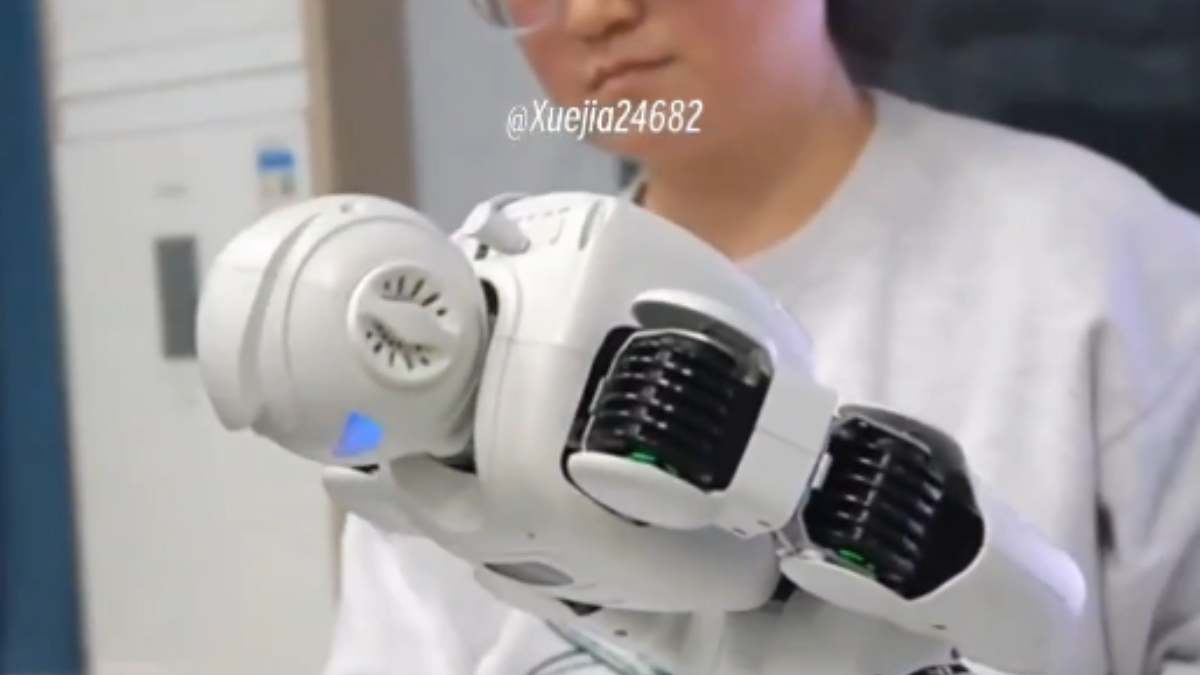
This is part of a broader effort to prepare children for a future in which artificial intelligence is expected to play a major role in education, workplaces and everyday life.
Instead of treating AI education as something for computer science students or future programmers, schools are increasingly framing it as a fundamental digital skill.
Children can learn how AI tools work, how technology can be used to solve problems and how artificial intelligence is changing the world around them.
In some Chinese schools, students are also getting classes in robotics and programming. The practical activities can help children experiment with machines, learn basic instructions and see how technology can be used to do what they need to do.

Not so much to make every child into a professional coder as to instill confidence with new technologies.
And AI is so real because it’s embedded in our everyday life. Kids are growing up with search engines and translation tools and smart assistants and automated systems.
Early education may help students to understand the strengths and weaknesses of using these tools.
China’s approach has also raised the issue of the education race between countries. AI concepts are the first to be introduced to students and they will come into play, so that it is good for them to learn to develop a skill in the future industries.
It will also encourage students to be more curious, creative and innovative in the classroom rather than to just study the things they know in the usual classroom.
At the same time, AI education raises questions about how schools should teach children to use technology responsibly. Learning privacy, misinformation, digital safety and the limitations of AI could become just as important as learning how to operate an AI tool.
✨🇨🇳 AI is now a standard class in Chinese primary schools.
— 🇨🇳XuZhenqing徐祯卿 (@XueJia24682) July 26, 2026
Kids learn to use AI tools, solve problems with technology, and understand how it shapes daily life.
It’s not about being a coder — it’s about building digital literacy for the future. pic.twitter.com/qT8s27Cyfv
The development has brought comparisons with education systems in Western countries, and some observers say other countries need to put AI literacy at the top of their agenda.
But competition with China is not the point here; it’s about making sure children in every country are capable of managing the changing world.
It’s very clear for young students: understanding how to work with technology is as important as knowing traditional subjects.
As artificial intelligence develops, classrooms will be among the best places to learn and one of the best places to prepare students for an AI-based world of the future.








Comments
Leave a Comment