The brain-computer interface company Neuralink, founded by Elon Musk, is once again at the forefront of the consciousness of people, after Musk said that the technology would eventually allow us to restore vision and even “superhuman” sight.
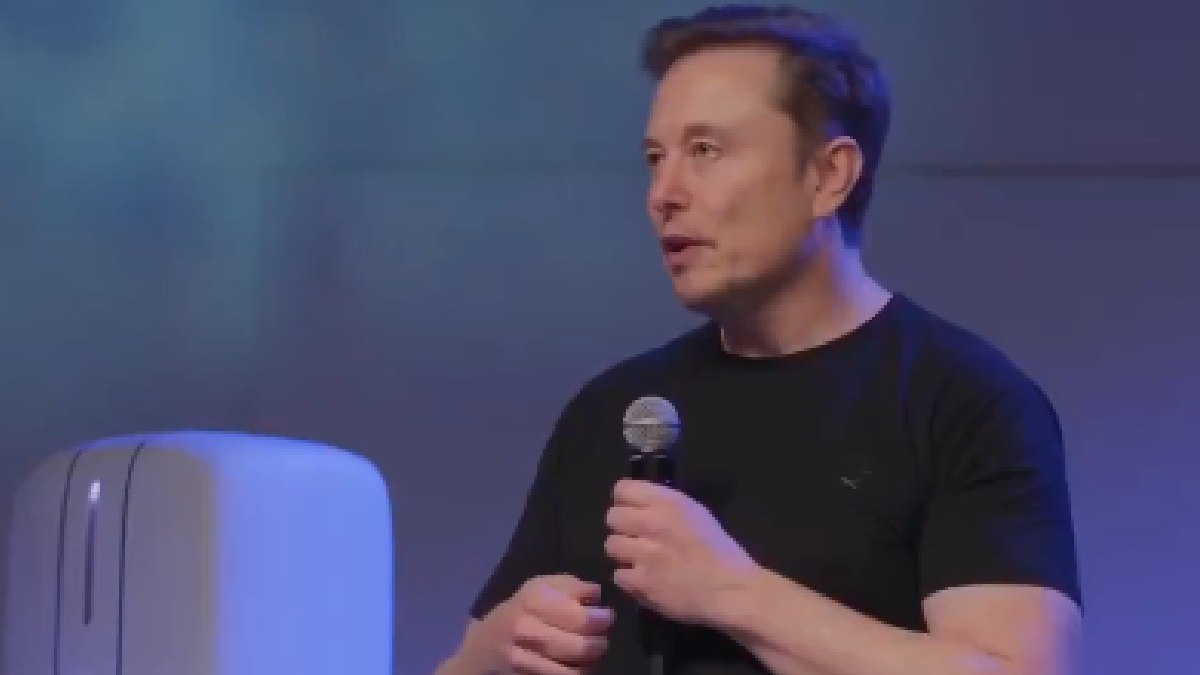
When Musk spoke about Neuralink’s future vision, he said the company’s brain implant technology could assist people who lost their vision to regain their ability to see.
He even added that future versions of the technology could allow humans to see visual information beyond the normal limits of human eyesight.
Neuralink is developing implants of the brain that can communicate directly with external devices. The company’s aim is to assist people with very severe neurological problems, including paralysis, in controlling computers and other digital devices with their minds.
In the last few years, Neuralink has made remarkable progress in human trials. Some people who have been implanted with the company's brain chip have been able to move computer cursors, browse the internet, and interact with digital applications through neural signals.
Such developments have motivated optimism for the potential of brain-computer interfaces in medical use as well.
One of Neuralink’s future plans is vision restoration, Musk said. That would mean bypassing damaged eyes or optic nerves and directly stimulating the brain’s visual cortex. If successful, the technology could help people who are blind regain some level of visual perception.
Elon Musk: "In the next 6 to 12 months, we’ll be doing our first implants for vision, where even if somebody is completely blind, we can write directly to the visual cortex."
— Elonogy (@ElonogyX) August 1, 2026
"Long term, you would have very high resolution and be able to see multispectral wavelengths... you… pic.twitter.com/Obyipn5cmI
Musk also said that the system could still be useful for blind people if the visual cortex is still functional. Such statements have generated excitement, but experts say the technology is still in the early stages and many scientific challenges remain.
But perhaps the most interesting aspect of Musk’s remarks is the prospect of “superhuman” vision. Neuralink could one day allow users to see wavelengths beyond the normal human visual range, such as infrared or ultraviolet light, even at night.
It would have implications for how humans interact with their surroundings and represent a vast improvement over any current medical treatment.
But experts explain that these possibilities are far from reality and are mostly theoretical. Restoring natural vision itself is a very complex task, and enhancing human eyesight beyond biological limits would require breakthroughs in neuroscience, engineering, and artificial intelligence.
Neuralink is much more challenging but still drawing interest from developers, investors, and technology fans all the more so. Brain-computer interfaces may revolutionize the healthcare system and improve the quality of life for millions of people who suffer from neurological disorders.
As Neuralink progresses with its research and testing programs, the world will be watching closely to see whether Musk’s ambitious vision becomes reality.
Superhuman vision could still be years away, but restoring vision to blind people could be one of the most significant medical breakthroughs in modern times.