Gabriel India’s partnership with HL Klemove India would signal a major shift in the way driver assistance technologies are developed and delivered in India. Rather than focusing on traditional automobile components, Gabriel India is getting access to this much more complex technology stack of sensors, electronic control units and software used today in driver assistance and automated driving systems.
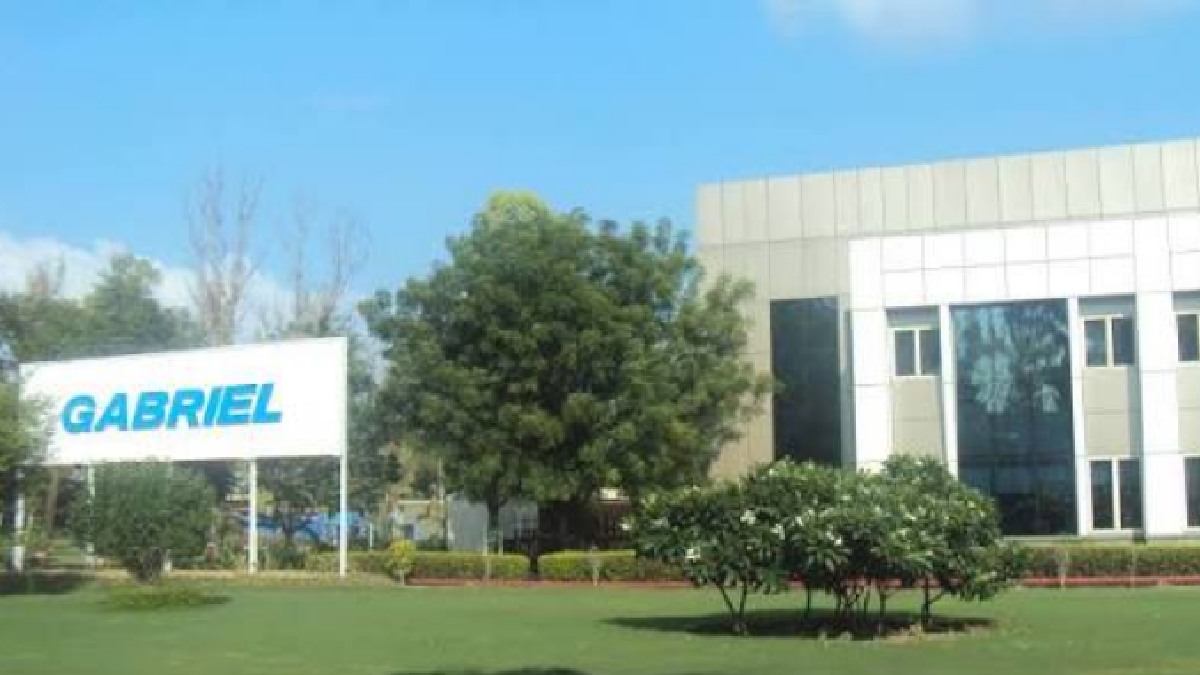
Under the proposed deal, Gabriel India will hold 30 per cent minus one share in HL Klemove India Private Limited. The partnership will give the Indian automotive component maker access to radar systems, front cameras, lidar, automated driving and parking control units, as well as embedded ADAS software. In addition, brake electronic control units, steering ECUs, chassis control units and torque sensors will be in the portfolio.
The deal is bigger than just adding a new product category to Gabriel India’s portfolio. ADAS is a necessity as carmakers are adding more and more features such as automatic emergency braking, adaptive cruise control, lane control, blind-spot monitoring and automated parking. Such systems use multiple sensors and sophisticated computing systems working in real time.
From Sensors to Vehicle Control
HL Klemove’s technology approach is quite remarkable because it covers several layers of the autonomous driving architecture. At the first level is perception where radar, cameras and lidar gather information on the vehicle’s surroundings. These sensors can be used to identify vehicles, pedestrians, road markings, obstacles and other objects.
The next step is decision-making. Data gathered from sensors needs to be processed and interpreted before a vehicle can determine what action should be taken. High-performance computing systems and ADAS software are critical here, converting sensor input into instructions.
The last stage is control. And that is where steering and braking ECUs can translate those decisions into vehicle actions. It is this integration of perception, decision-making and control that will provide automakers with a more complete technology package instead of having to source each element separately.
HL Klemove says its technology portfolio is backed by 2,700 patents. The company has research, development and manufacturing operations in Korea, the United States, China, India and Mexico. It reported about KRW 1.8 trillion in revenue in 2025, demonstrating the size of its operations in the global automotive technology industry.
Why India’s Localisation Effort Matters
For the Indian automotive industry, one of the most important aspects of the partnership is localisation. HL Klemove India was the first company in the country to localise production of both ADAS radar and smart cameras.
Local manufacturing can have a direct impact on the economics of advanced safety technology. Imported sensors and electronic systems can increase vehicle costs because of transportation, duties, currency fluctuations and international supply-chain dependencies. Providing more of these components in India can help reduce some of those pressures.
That is very relevant as automakers are seeking to take ADAS features beyond premium vehicles. Technologies that were once exclusively associated with luxury cars are appearing in mid-range models and it is essential for affordable sensors and control systems.
A stronger domestic manufacturing ecosystem would also enable manufacturers to adapt ADAS hardware and software to Indian driving conditions. Traffic patterns, road infrastructure, vehicle mixes and driving behaviour can differ significantly from markets where many existing ADAS systems have been originally developed.
A Potential Boost for Indian Automakers
The Gabriel India-HL Klemove partnership could give Indian vehicle manufacturers another route to advanced safety technology without requiring them to build the entire sensor and software architecture independently.
For automakers, having radar, smart cameras, lidar, control units and related software from a technology-centric supplier can simplify integration. It may also give greater flexibility when creating vehicle platforms and safety packages.
However, localisation alone will not automatically make sophisticated ADAS systems inexpensive or universally effective. Hardware costs are just one part of the equation. Software development, testing, calibration, computing power, vehicle integration and validation under diverse road conditions are equally important.
Indian roads also present unique challenges for driver assistance systems. Unpredictable traffic movement, two-wheelers, pedestrians, inconsistent lane markings and varying road conditions need to be thoroughly tested before ADAS technologies can be deployed reliably at scale.
The Bigger Picture for Indian Roads
But the partnership also reflects a bigger transformation in the automotive industry. Cars are becoming software-managed machines in which cameras, radar, processors, electronic control units and software work together with conventional mechanical components.
For Gabriel India, this is a chance to be part of this transition and not just the automotive component category. For HL Klemove, a collaboration with an established Indian component manufacturer will help the company push local production and develop a larger number of vehicle programmes in India.
The real test will be whether this technology can move from premium applications into higher-volume segments while keeping safety, reliability and affordability. If localisation helps bring down the cost of radar, cameras and related electronic systems, more Indian vehicles could eventually offer advanced driver assistance features.
In this sense, the Gabriel India-HL Klemove deal is more than a corporate deal. It is a push towards bringing the technology of today’s assisted and automated driving into India’s mass-market automotive system. A global ADAS expertise, local manufacturing and an established Indian component network will be a key component of the country’s transition to smarter and safer cars.