Google DeepMind has unveiled a new artificial intelligence system to make smartphone communication more accessible for Deaf and hard-of-hearing users. Called SL2T (sign language to text), the new AI system can translate sign language into written text and will be released in Google Pixel 11.
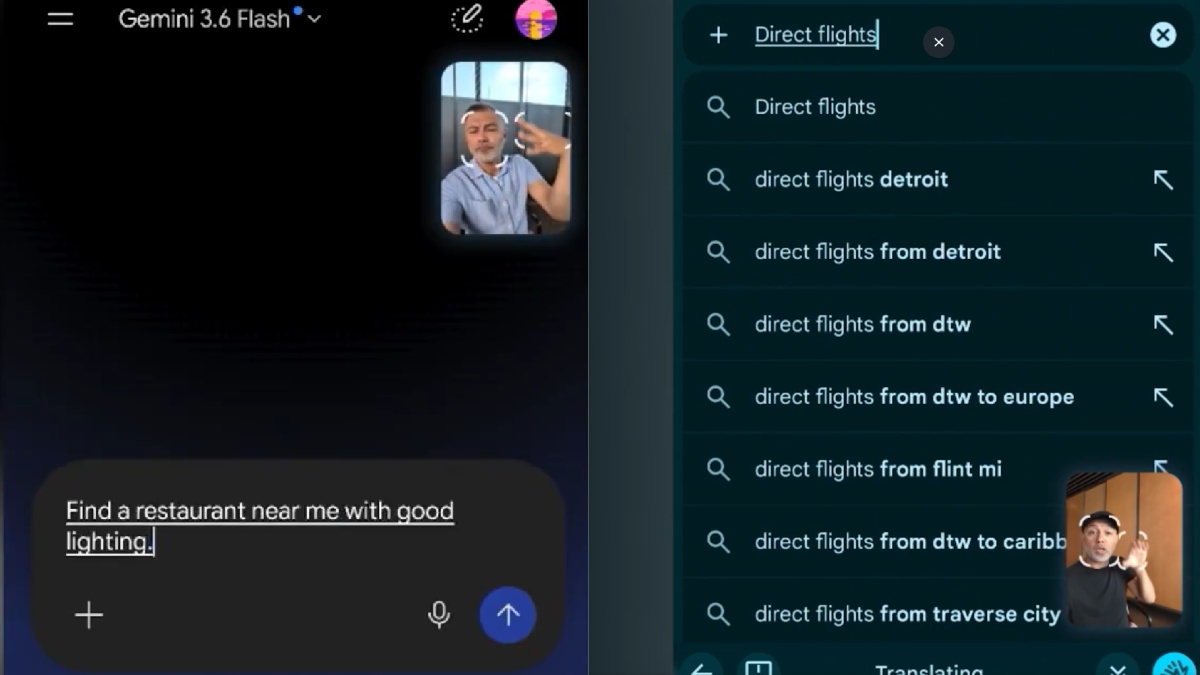
The technology could be a significant step forward in smartphone accessibility, as users could be able to communicate with their smartphone using sign language rather than just typing or voice input. Google is also working with Gboard and Live Transcribe to integrate SL2T into apps such as Gmail and Live Transcribe, which will allow users to search for information, compose messages, and interact with AI-powered services like Gemini and chat with each other via chat using the software.
As Google DeepMind says, the first language combination that SL2T will support will be American Sign Language (ASL) translated to English. It plans to expand this support to other sign languages and devices in the future, but details about the rollout of those additional languages have not yet been fully disclosed.
The introduction of SL2T is particularly significant because sign-language recognition has always been tricky for artificial intelligence. Sign languages are not just hand gestures that are equivalent to individual spoken words. They can involve hand movements, facial expressions, body positioning, speed, direction, and context. An effective AI system therefore needs to work with a combination of visual signals to make sense of not only a static hand position.
Google DeepMind’s latest development is aimed at bringing that type of technology closer to everyday consumer use. SL2T is not just a research project or demonstration; it’s being integrated into smartphone tools. That could make sign-language interaction more practical for people who use mobile devices regularly for communication, search, and other daily work.
The integration with Gboard is also very useful. Gboard is a popular app for Android users to type messages and search for answers and other text-based interactions. Sign language input could enable sign language to be sent directly to the phone for text to be read, and the user can then use it in applications or conversations.
Live Transcribe could also benefit from the technology. Google’s accessibility service is designed to provide real-time transcription and other communication assistance. Sign-language-to-text capabilities could create a more flexible communication environment for users who rely on visual forms of communication.
Another potentially important application is interaction with Gemini, Google’s AI assistant. Rather than typing the question or using ordinary voice commands, users could sign and send it to a text processing assistant. That would allow Deaf and hard-of-hearing people to access AI-powered tools and services.
It also fits in with a trend in technology that is more oriented towards AI systems that are accessible to people. Computer vision, machine learning, and multimodal AI have made it more and more possible for devices to process complex visual information. Sign language is one of the areas of these developments that could directly affect people’s everyday life.
But the success of sign language AI will depend on more than just recognizing individual gestures. Different sign languages have their own grammar and vocabulary; regional variation and differences among signers may make recognition more difficult. Lighting, camera positioning, movement speed, and background distractions may all influence how well a device translates signing.
Google’s initial focus on ASL-to-English is a starting point, but expanding SL2T to other languages will be an important part of its longer-term accessibility ambitions. Sign languages differ significantly across countries and regions, so a system designed for ASL cannot simply be applied unchanged to other sign languages.
SL2T is our breakthrough sign language-to-text model powering new features for Deaf and hard of hearing users on @Android.
— Google DeepMind (@GoogleDeepMind) August 12, 2026
Starting with American Sign Language-to-English on Pixel 11, people can sign directly into Gboard and Live Transcribe instead of typing. pic.twitter.com/p9Vx7tJtLT
The release of SL2T on Pixel 11 also underscores Google’s strategy of utilizing hardware for new AI features. Pixel devices have become a platform for Google’s latest AI and computational photography features. By bringing sign-language recognition directly to the phone, Google could bring the technology to market without having to rely on specialized equipment.
For Deaf and hard-of-hearing users, the development could ultimately make everyday digital interactions more convenient. Sending a message, searching online, or talking to an AI assistant could be made more natural.
SL2T is therefore more than another smartphone AI feature. If the technology works correctly in a real-world setting, it could show how innovation in artificial intelligence can help to reduce barriers between people and digital services. Google’s expansion to other languages and devices will define how wide that potential can be.
As for SL2T, Google DeepMind is trying to push sign-language recognition from research to the mainstream in consumer technology with SL2T. Its debut on Pixel 11 could be a major step forward for more inclusive smartphones and will show that AI is really finding a place in smartphones as well.