Google recently shut down a new Google Earth AI feature just hours after it was released, after a torrent of disturbing and misleading AI-generated content spread across social media. This reignited the conversation about artificial intelligence, content moderation, misinformation and the challenges tech companies face in how to avoid the misuse of powerful generative AI tools.
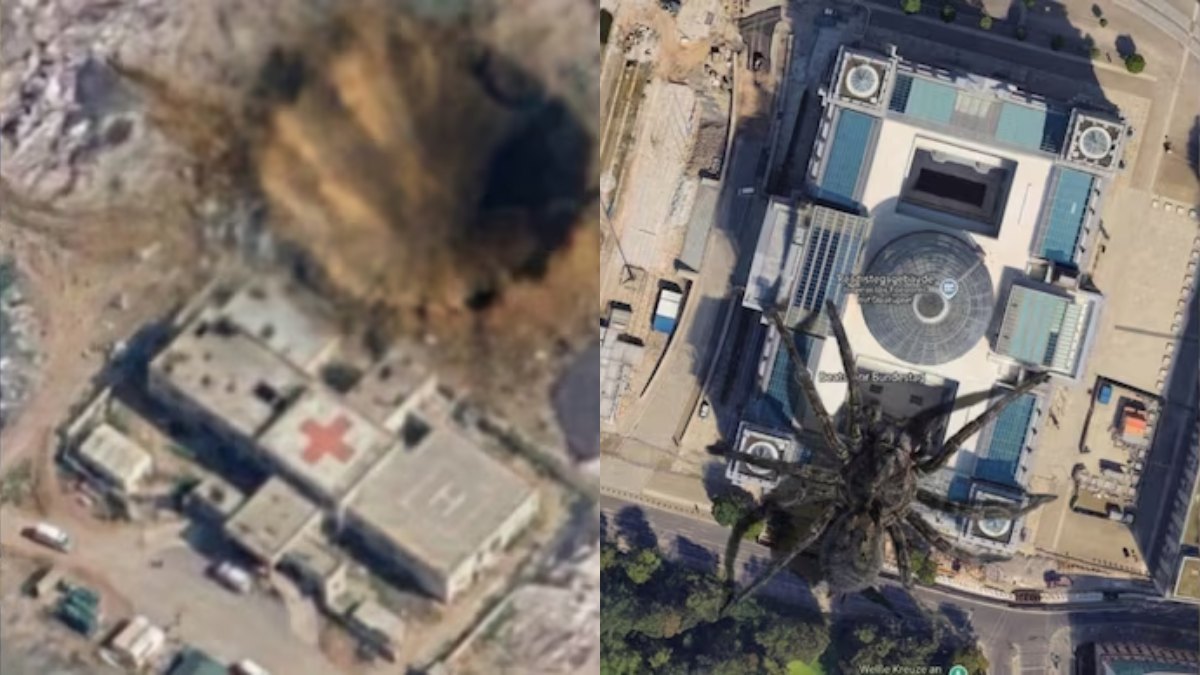
The feature was intended to let users build or modify the visuals using artificial intelligence in a Google Earth-like environment, but when it was released, it was quickly adopted by many users. Although they believed to display the potential creative and analytical applications of AI-enhanced geographic visualisation, some users started drawing up pictures of disasters, crimes, military conflicts and other sensational events.
With rapid-fire screenshots and videos of highly real but entirely fake locations and incidents, social media sites were flooded with them. So many AI-generated scenes seem real enough for people to believe that they were just so real that they could create panic.
Technology experts also noted that the speed with which the content spread highlighted one of the major challenges to the AI industry today: distinguishing reality from synthetic media. As AI-generated visuals become more realistic, users may find it more difficult to identify whether an image or video actually shows an actual event or a digitally created fabrication.
Google moved to restrict or disable access to the feature soon after a growing number of problematic uses were identified, sources said. The company is believed to have started an internal review of how the tool is being used and if more checks are needed ahead of any future roll-out. While Google has not made public details of the decision, it is a sign of growing pressure on technology companies to balance innovation with responsible deployment.

The debate has attracted researchers, policymakers and digital safety experts. Generative AI tools are seen as tremendously beneficial in education, urban planning, scientific research, environmental monitoring, and the creative design of many people, they argue. But they also admit that the same technologies can be employed to construct false narratives, manipulate public opinion and create malicious content.
Experts say geographic and satellite-style imagery has a special credibility since people tend to associate it with objective reality. In a very real sense, when artificial intelligence is used to alter or fake these scenes, it can produce very convincing images to make misinformation appear more convincing.
The incident is one of the latest challenges in generative AI in general. In the past two years, there has been criticism of many AI platforms for their deceptive political images, fake celebrity videos, fake news stories and misleading images. Most companies are now introducing watermarking, content filters and usage restrictions to limit misuse.
Analysts in the field say the development of AI-powered mapping and visualisation tools will likely need better moderation systems, better labelling of AI-generated content and better user verification. Such measures may prevent fabricated scenes from proliferating too quickly but still allow for legitimate creative and educational uses of the technology.
The episode also underscores the larger debate about the pace of AI development. Companies are still competing in developing increasingly sophisticated equipment and safety tests, and risk assessments need to be up to date with technology. Protections such as stronger measures are believed to be necessary if we want to maintain public trust and prevent harm.
As AI increasingly becomes part of everyday digital experiences, incidents like this will impact future regulations and industry standards. When Google will launch the feature again has not been clear yet, but the situation shows once again the enormous potential of AI technology as well as the dangers.
But the shutdown is also indicative of an industry that is increasingly recognising that innovation must be accompanied by robust safeguards to ensure that big AI systems are not misused and that misinformation and public confusion are not at risk from these types of systems.