Helmet-mounted cameras are now becoming popular among motorcycle riders in India and around the world. Not only for documenting the views, but also for creating social media stories, documenting road trips or capturing evidence from accidents, more and more bikers are putting cameras on their helmets.
The advent of action cameras is so popular now that it’s easier than ever to take pictures of a bike ride to make sure that riders can record their journey. Recent accidents like hit-and-run cases and road-rage disputes have also shown that video evidence while travelling has become more and more popular, so it is critical to have video of road-rage disputes and other instances of collision cases. The helmet-mounted cameras that are now popular have helped police to know what happened and identify those responsible in many circumstances.
One such case is the Gurugram woman biker case, for which footage from cameras on the rider's helmet and motorcycle was said to have been crucial in reconstructing the sequence. Such incidents have fueled more interest in riders to improve their safety and documentation while riding.
How Are Helmet Cameras Installed?
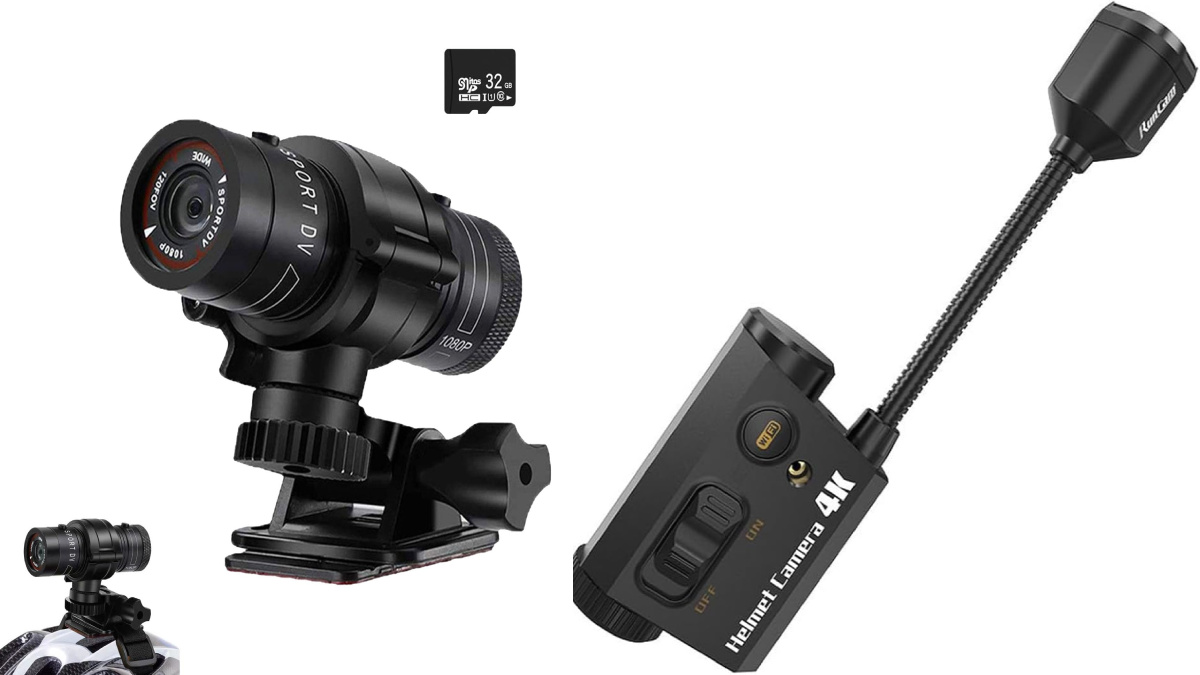
Most riders use an action camera and a compatible mounting system. There are different kinds of mounts on the market, so cameras can be mounted on different parts of the helmet.
The most common mounting locations are:
- Front section of the helmet.
- Side of the helmet.
- Chin area of the helmet.
Of all these options, the chin mount is the most popular and most effective. Since the camera is placed closer to the rider's eye level, it captures footage that is very close to the rider's field of vision. This allows for a more natural and immersive recording.
Many popular action camera brands have dedicated helmet mounts, while third-party accessories are also widely available online and in motorcycle accessory stores.
When Attaching a Helmet Camera: Safety Considerations
In spite of helmet cameras being useful, safety should always be the main priority.
Experts recommend that the camera and mount not protrude excessively from the helmet. Objects sticking out too far can increase risks during an accident when they catch on surfaces or cause more impact forces.
Riders should also avoid drilling holes or modifying the structure of their helmets. If the helmet’s design is modified, it will not be able to protect the rider in a crash.
It is generally safest to use high-quality adhesive mounts or manufacturer-approved accessories.
How Much Does a Helmet Camera Cost?
The total cost is influenced by the camera model, image quality, and features.
Budget Action Cameras
- Price Range: ₹3,000 to ₹8,000.
- Suitable for basic recording.
- Entry-level video quality.
Mid-Range Cameras
- Price Range: ₹10,000 to ₹20,000.
- Better stabilisation.
- Improved video clarity.
- Enhanced durability.
Premium Action Cameras
- Price Range: ₹20,000 to ₹30,000 and above.
- High-resolution recording.
- Advanced stabilisation.
- Superior low-light performance.
- Waterproof designs.
Apart from the camera itself, riders must also consider the cost of accessories.
Additional Expenses:
- Helmet mount: ₹500 to ₹2,000.
- Memory card: ₹500 to ₹3,000.
- Extra batteries: ₹1,000 to ₹5,000.
- Protective case: Additional cost depending on brand.
Hence, the setup cost can vary significantly based on the rider’s needs.
Key Benefits of Helmet Cameras
One of the biggest advantages of helmet cameras is the ability to create a visual record of everything that happens during a ride.
Accident Documentation
If an accident occurs, the recorded footage may help to establish the sequence of events and may be valuable evidence.
Hit-and-Run Cases
Video footage can help to identify which vehicles were involved in hit-and-run incidents.
Road-Rage Disputes
Helmet camera recordings can provide an unbiased view of interactions between motorists.
Travel and Content Creation
Many riders use action cameras to create motorcycle vlogs, travel videos, and adventure content on YouTube and Instagram.
Insurance Support
In some cases, video evidence can help support insurance claims by establishing clear documentation of an incident.
Smart Helmets with Built-In Cameras
Technology is also bringing new options to riders. Some of the smart helmets available in international markets have integrated cameras and recording systems.
Such helmets eliminate the need for separate mounting equipment and usually have other features such as Bluetooth connectivity, GPS, and communication systems.
Smart helmets are generally more expensive than conventional helmets paired with separate action cameras. For most riders, it is still cheaper and more flexible to buy a separate action camera and mount.
Growing Trend Among Riders
As road safety awareness increases and content production becomes more popular, helmet cameras are expected to become even more common. While they cannot prevent accidents, they can provide valuable documentation and peace of mind during every ride.
For riders considering a helmet camera, choosing quality equipment, ensuring secure installation, and prioritising safety can help maximise the benefits of this increasingly popular technology.