In today's connected homes, smartphones, tablets, laptops, smartwatches, wireless earbuds, power banks and other electronic gadgets are all part of the everyday. With so many connected devices needing regular charging, tangled cables and power sockets can quickly turn a desk, bedside table or living-room corner into a mess. Multi-device charging stations are a solution that can be put together with multiple charging ports and, for some cases, AC power outlets in a single setup.
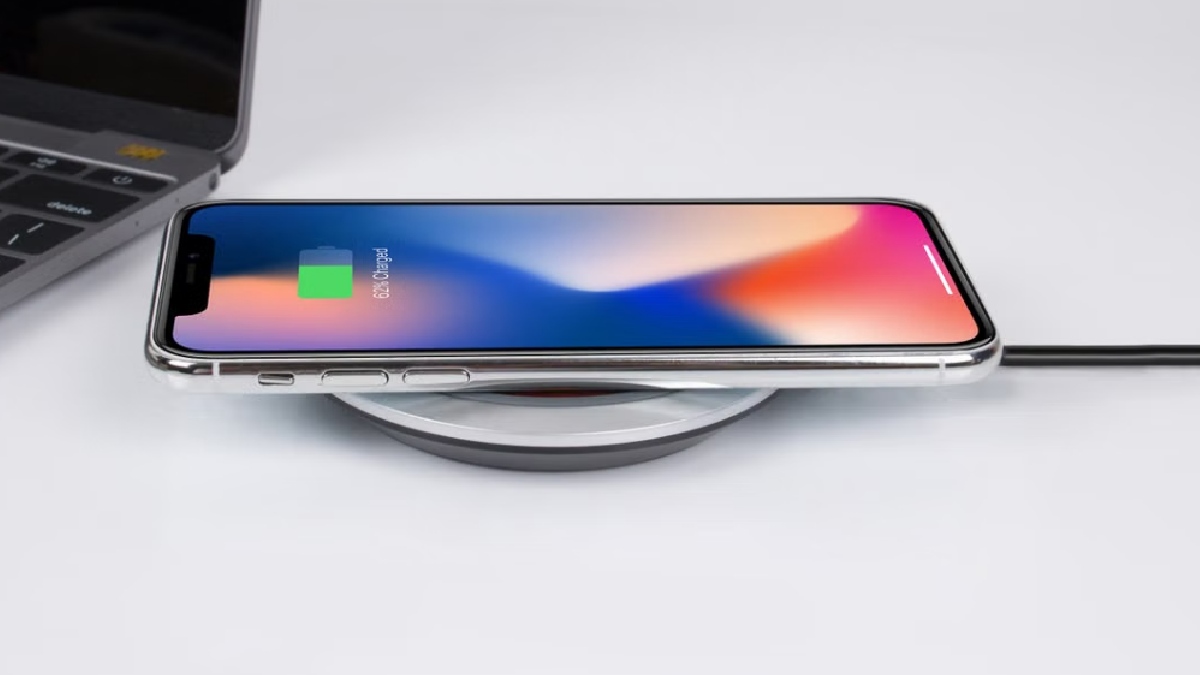
A multi-device charging station allows users to supply multiple gadgets from a single location. Users can plug in multiple devices to a central charging hub instead of plugging one device in at once with a single adapter (i.e., they could be connected to a single connected device on every smartphone or tablet instead of plugging it in alone). Depending on the model these stations may have USB-A ports, USB-C ports, fast charging support, and AC sockets and are suited for homes where several devices need to charge at once.
For families with many smartphones, a charging station can be especially useful. Instead of having chargers spread across various rooms, family members can keep their devices in one place. That can also make it easier to track charging cables and adapters and reduce the clutter around electrical sockets.
One of the biggest benefits of these products is the range of configurations. Compact USB charging hubs are designed for users that primarily need to charge smartphones, tablets, earbuds and other USB-powered accessories. These products typically don't take up a lot of space and can be placed on a desk or bedside table without creating a bulky setup.
For those who need more charging power, desktop charging stations with USB-C ports can be a better choice. USB-C on smartphones, tablets and laptops is becoming more and more prevalent through the years and some charging stations have larger power output for compatible devices. With this, users can charge more demanding devices without having to carry several separate adapters.
GaN-based charging stations are also worth consideration. With GaN (Gallium Nitride) the charger can be designed so that a relatively small charger can provide a high power. A GaN charging station can be useful for a small desktop setup where a lot of devices can be charged simultaneously.
Some multi-device charging stations that are not only for USB ports but also have AC outlets as well are essentially a charging hub and a desktop extension board. The additional sockets can be used for laptops, monitors, lamps, speakers and other home electronics, while USB ports handle smartphones and smaller devices. This makes such products suitable for work-from-home desks and entertainment setups where several types of electronics need power.
Another important factor is the charging speed. Not every port on a multi-device charging station should be the same. The maximum power available from each port and the total power available when connected devices are connected at the same time should be known from the manufacturer's specifications. A station may advertise fast charging but that power is distributed according to the number of devices plugged into it.
USB-C Power Delivery (USB PD) is very useful for compatible smartphones, tablets and laptops. A charging station with the right USB-C power delivery can replace several individual power adapters. But users should also always check the required wattage of each device to ensure that the charging station has sufficient power.
Safety features are important when selecting a multi-device charging station. Over-voltage protection, over-current protection, short-circuit protection and temperature control are some of the safety features for charging. Products with AC outlets should be chosen carefully too, especially if they are intended to power high-wattage electronics.
Cable management is another area where these charging stations can make a noticeable difference. Instead of having several adapters occupying a power strip, a central station can create a more organised charging zone. Users can also use short charging cables to make the setup cleaner and easier to maintain.
There are various options if one is shopping under a 3K budget. The category includes basic multi-port USB chargers, small GaN charging stations, and desktop power stations with multiple AC outlets and USB ports. The right choice ultimately depends on how many devices need to be charged and the type of devices being used.
Before buying, buyers should consider the number of USB ports, USB-C availability, total power output, AC socket configuration and physical size. Those who regularly charge laptops should pay attention to the USB-C wattage while smartphone users might pay more attention to the number of fast charging ports.
The product is also covered under warranty and is suitable for electrical standards in India. A reliable manufacturer and technical specifications in very simple language may be better than an inexpensive product with uncertain power ratings or limited safety information.
Multi-device charging stations can also be useful in offices, study rooms and shared workspaces. Students can use them to keep tablets, phones and accessories charged, while professionals can create a dedicated charging point for smartphones, laptops and wireless peripherals. In shared environments, a central station can make it easier for everyone to access available charging ports.
In the end, the best thing about a multi-device charging station is convenience. Combining multiple charging ports and in some cases AC outlets into one unit will actually help reduce the amount of cables, and therefore make it much easier for people to charge multiple gadgets easily.
With low-cost USB hubs, GaN charging stations and desktop power stations available at various price points, and a lot of choices, consumers can choose a setup that suits their daily charging needs.
When you have more gadgets than you can plug into a home’s sockets, a multi-device charger might be the easiest way to make your charging area cleaner. From smartphones and tablets to laptops and accessories, one central charging setup can keep devices charged without your desk getting cluttered with cables.