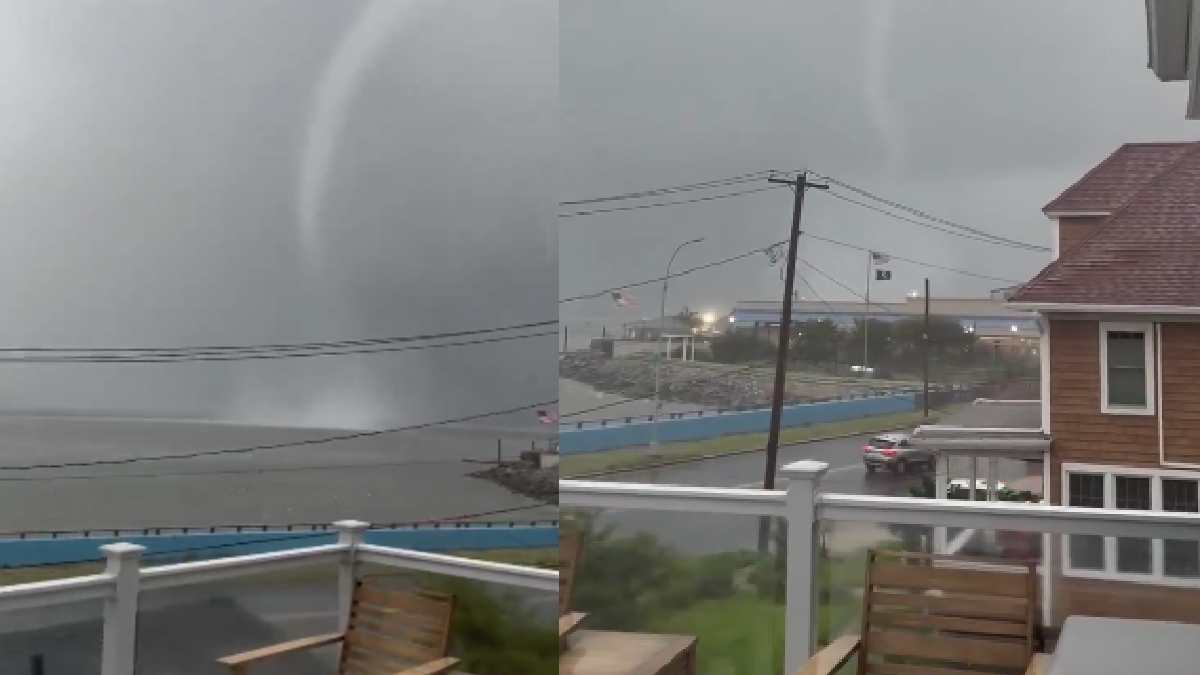
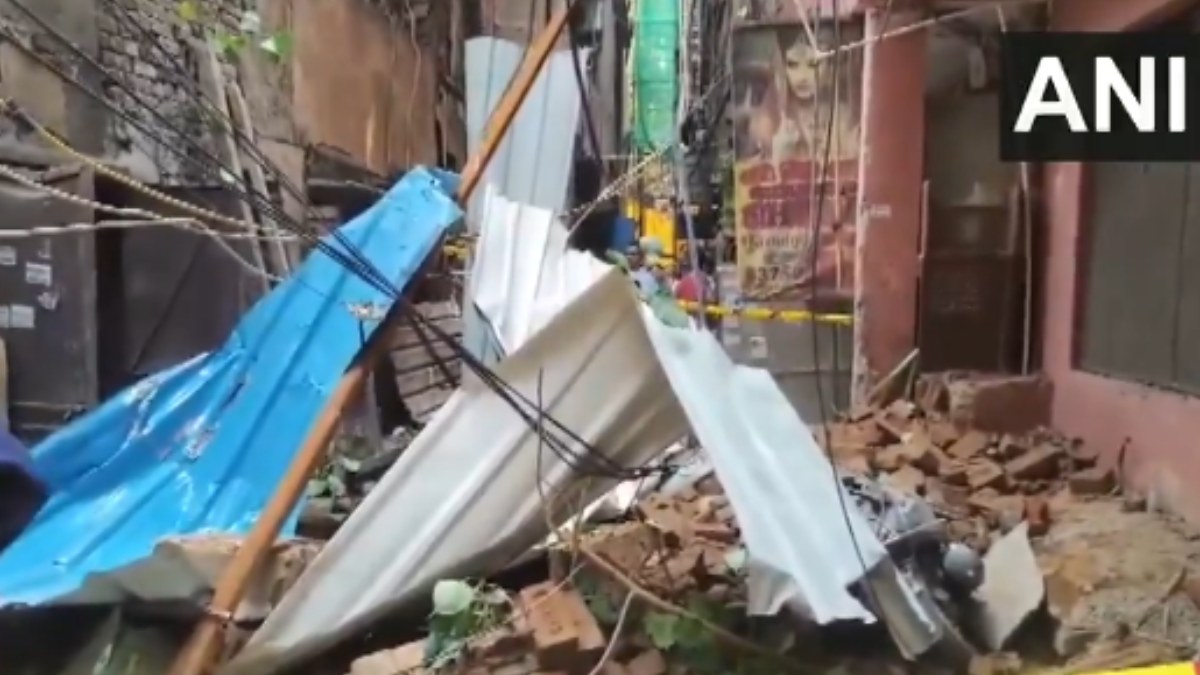
As climate change intensifies natural disasters and global uncertainties continue to rise, personal safety technology is entering a new era.
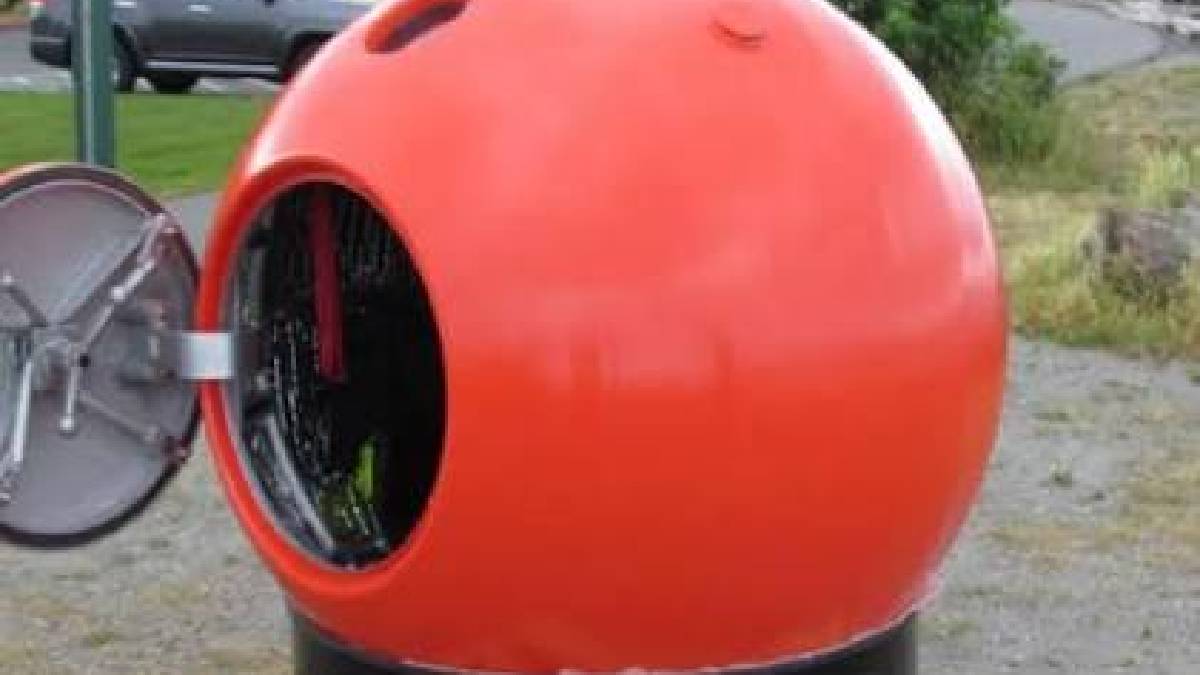
A new generation of survival pods designed to withstand tsunamis, explosions, hurricanes, earthquakes, and other life-threatening disasters is attracting worldwide attention.
These advanced emergency shelters, priced at around $43,200 (approximately ₹37 lakh) promise to offer families a last line of defense when conventional shelters may fail.
The survival pods are engineered using high-strength aerospace-grade materials, enabling them to resist powerful impacts and extreme environmental conditions.
Unlike traditional underground bunkers, these pods are portable, watertight, and designed to remain stable even when swept away by floodwaters or tsunami waves.
Many models feature a spherical or capsule-shaped design that evenly distributes external pressure, reducing the chances of structural failure.
Manufacturers claim the pods are capable of surviving powerful explosions, severe storms, earthquakes, wildfires, and airborne debris.
Some models are equipped with shock-absorbing interiors, emergency ventilation systems, waterproof sealing, and secure harnesses to keep occupants protected during violent movements.
Certain premium versions even include GPS tracking, emergency communication devices, first-aid storage, food compartments, and battery-powered lighting.
The growing popularity of survival pods reflects increasing public concern over extreme weather events. In recent years, devastating earthquakes, catastrophic floods, and increasingly frequent hurricanes have highlighted the importance of emergency preparedness.
While governments continue investing in disaster management infrastructure, many homeowners are exploring private safety solutions that offer immediate protection.
Experts, however, emphasize that survival pods should not replace official evacuation procedures.
Emergency authorities continue to advise residents to follow evacuation orders and move to designated safe zones whenever possible.
A survival pod is intended as a final protective option when escape is impossible rather than a substitute for disaster planning.
Although the price tag of $43,200 places these pods beyond the reach of many households, manufacturers believe demand will grow as awareness increases and production expands.
Similar to how home security systems and storm shelters became more common over time, survival pods may eventually become a niche but valuable addition to disaster preparedness strategies.
Critics also point out that no emergency shelter can guarantee complete safety under every circumstance.
Factors such as proper installation, maintenance, local geography, and the severity of a disaster all influence survival outcomes.
Independent testing and certification will likely play a major role in building consumer confidence as the market develops.
Despite these concerns, survival pods represent a fascinating blend of engineering and emergency preparedness. As technology continues to evolve, these innovative capsules could become an important option for people living in disaster-prone regions, offering peace of mind in an increasingly unpredictable world.
Whether they become a mainstream household investment or remain a premium safety product, survival pods highlight one clear trend people are increasingly willing to invest in advanced solutions that may one day save lives.