Truecaller is changing what happens after a business call ends with its new Post-Call Actions feature. Instead of leaving customers waiting for an SMS, opening another app or navigating through an IVR system the company wants the next step to show up on Truecaller’s post-call screen.
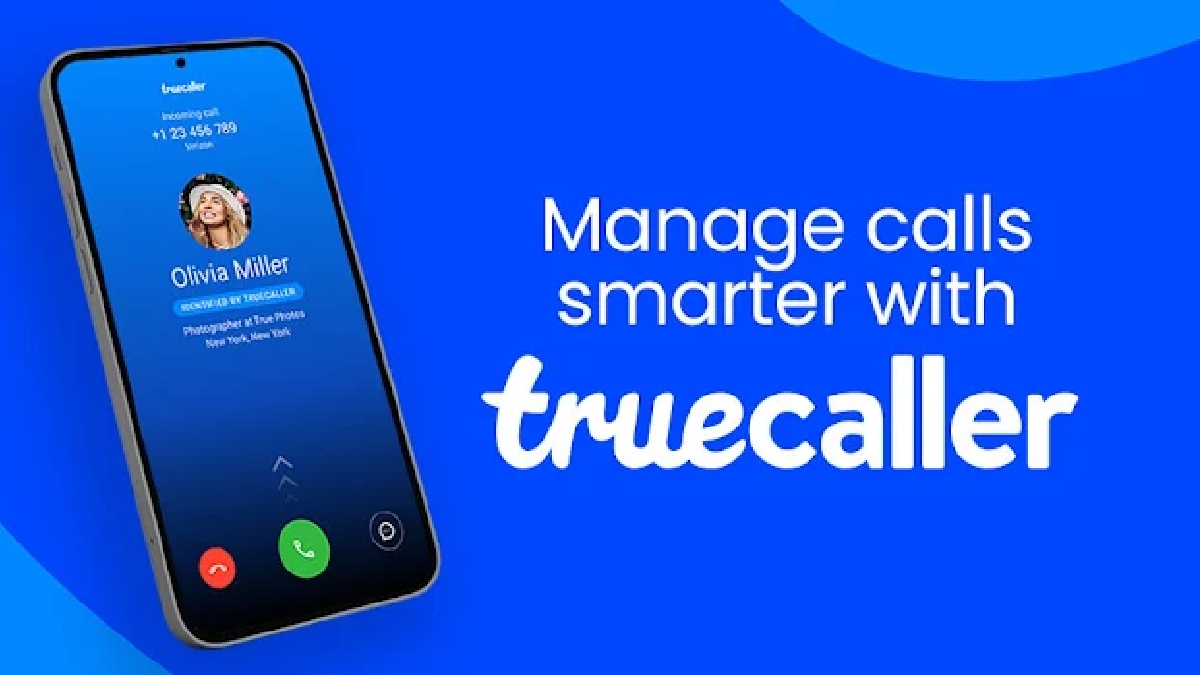
The feature is rolling out for calls made via Verified Business, Truecaller’s system that helps users recognise legitimate business callers. (Last-mile delivery is the first use case.) Customers will be able to reschedule a delivery, confirm availability, share their precise location and authorise a safe drop.
These are relatively simple delivery functions but Truecaller has a much bigger ambition for the feature. It wants to expand Post-Call Actions into banking, financial services and insurance where use cases include payments, callback requests, KYC actions and transaction confirmations.
Truecaller Wants To Own The Moment After A Business Call
Business calls often end before the actual customer service task is done. A delivery person may call to see if someone is available; a bank rep may ask for a customer to verify something; an insurance agent might point someone to a link sent via SMS.
That’s multiple steps for consumers. They have to switch from the phone call to a message, app or website and then find the service that is relevant. Truecaller’s new feature tries to eliminate some of those extra steps by putting the next action immediately after the call.
The company says branded action cards can be automatically generated after supported Verified Business calls. Options available will depend on the business and the specific customer interaction.
This doesn’t mean that every business call made on Truecaller will get an action card. Businesses need a supported integration with Truecaller for Business and must configure the right action for their workflow.
Delivery Services Get The First Major Use Case
Last mile delivery has been chosen as the first area for rollout because it’s an obvious problem that phone calls alone cannot solve.
A delivery executive may not be able to reach a customer, the customer may change the slot or provide more accurate directions. In some cases customers want to authorise that a package is left at a safe place.
With Post-Call Actions supported businesses can offer options to **reschedule deliveries, confirm availability, share precise location information and authorise safe drops** after the call.
The difference is not that these services are new. Delivery companies already offer many of these options through their apps, websites and SMS links. Truecaller is changing where customers encounter them.
By putting the action right after the conversation, the company thinks customers will be more likely to complete the task while the context of the call is still fresh in their minds.
Banking And Financial Services Could Be The Bigger Opportunity
Delivery rollout is one thing, financial services could make Post-Call Actions much more important.
Banking, financial services and insurance are all areas Truecaller sees for future applications. Payments could be made; callbacks requested; KYC steps completed; transactions confirmed.
However, these banking and financial-services capabilities should be treated as planned use cases at present rather than assuming that all of them are already available to users.
Moving into financial services also brings a lot more security considerations. A missed delivery or slot can be frustrating but an incorrectly authorised financial transaction will result in monetary loss.
Truecaller’s verified-business system can help establish who owns a call, but verification shouldn’t be used as a replacement for standard financial-security practices. Customers should still protect passwords, PINs, OTPs and other confidential credentials.
Privacy Will Become Increasingly Important
Post-Call Actions also brings new considerations around what information customers and businesses exchange.
Truecaller’s privacy disclosures only relate to data related to delivery actions taken through the service (rescheduling or cancelling a delivery, sharing delivery instructions etc.). This also applies to choices made by users (e.g., rescheduling or cancelling a delivery); sharing delivery instructions; choosing other available options.
The company also says real-time location coordinates may be processed when a user voluntarily shares their location with a verified business to help with a delivery.
That’s important because location sharing is tied to a specific user action (not just “I got a business call”).
As the feature moves into banking and financial services, users will also want clarity on how sensitive information is handled and where transactions actually occur. Truecaller hasn’t publicly explained every future BFSI workflow yet so the exact role it will play in payments and KYC processes will only become clear as those integrations roll out.
Businesses Could Gain More Than Just Verified Caller ID
But for businesses, it’s about more than convenience. It could give companies a way to measure what happens after a customer answers or receives a call.
Traditional call centre metrics are often about whether the call connected or not and whether the customer answered. Post-Call Actions add another stage to that journey.
A business could track whether a customer rescheduled a delivery or requested a callback, provided delivery instructions or completed some other requested action.
That takes Truecaller from being a caller-identification platform to closer to being part of a company’s customer service workflow.
The strategy also fits into Truecaller’s broader push to beef up its business offering. It has been expanding services around verified identities and business communication and Post-Call Actions gives enterprises another reason to integrate their customer interactions with Truecaller more closely.
Verification Does Not Eliminate Every Security Risk
Truecaller is making trust and verification central to Post-Call Actions: A verified business identity could help users understand who’s calling them and tell participating businesses apart from unknown callers.
However verification should not automatically make every request safe.
Users still need to consider what they are being asked to do, especially when money, identity documents or account information is involved. A legitimate looking business interaction shouldn’t ask customers to hand over sensitive credentials or circumvent the security measures of their bank or financial institution.
This will be especially important if Post-Call Actions eventually becomes a common channel for payments and transaction confirmations.
Truecaller’s Bigger Vision
The company’s consumer service started out answering a simple question: Who is calling? Truecaller has since expanded that experience with verified business identities and other communication tools.
Post-Call Actions does the next step and asks a different question: what should happen after the call?
If the feature works as intended then a business conversation could flow directly into a completed task without customers having to go through multiple channels. Delivery could be rescheduled immediately, callback requested or another customer service action could be completed from that same interface.
The challenge will be to convince people that Truecaller’s post-call screen is a place they can trust to perform increasingly important actions.
For now, delivery services are low-risk testing ground. The real test will be if and when the technology moves into banking, insurance and other financial services.
Truecaller is ultimately trying to turn the business call from the end of a conversation into the beginning of a transaction. If consumers buy that model then post-call screen could become part of how businesses interact with customers but if trust, security or usability are issues it may still be a quick shortcut for delivery tasks only.