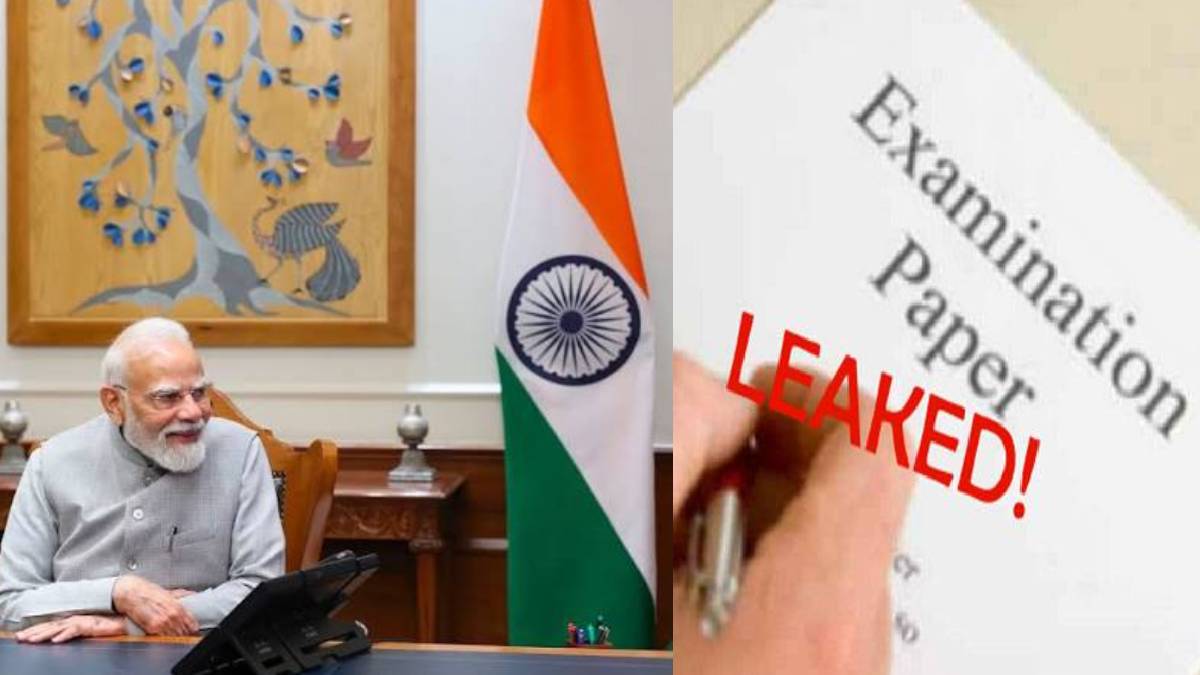
Prime Minister Narendra Modi inaugurated and dedicated railway and infrastructure projects worth more than Rs 35,000 crore in Vadodara (Gujarat). The projects include completion of key sections of Western Dedicated Freight Corridor (WDFC) as well as new railway and highway initiatives to improve transportation links across Gujarat and connect important industrial and port destinations.
A major achievement of the programme was the completion of 2,800 km Western Dedicated Freight Corridor. Three important sections covering a combined distance of 326 kilometres were completed as part of the latest phase (investment around Rs 20,700 crore). The dedicated freight route is expected to improve movement of goods, reduce pressure on conventional railway lines and support faster freight transportation across the country.
The Western Dedicated Freight Corridor is important for India’s logistics network because it links major industrial and commercial centres with ports on the western coast. More freight traffic will be shifted to dedicated rail infrastructure as a result of which operational efficiency should increase and delays in transportation reduced. Completion of major sections is also another step in government efforts towards modernisation of India’s railway infrastructure.
In Vadodara Prime Minister Modi also laid the foundation stones for 329 km of additional railway and national highway projects. These projects will improve regional connectivity by better connecting cities, industrial centres and transportation hubs; improved connectivity is also likely to boost economic activity as movement of people and goods becomes easier.
The programme also saw the flagging off of new passenger and freight train services which will link Gujarat with important ports and strengthen the state’s role in India’s trade and logistics ecosystem. Rail links to ports can help industries move raw materials and finished products more efficiently as well as support movement of export oriented goods.

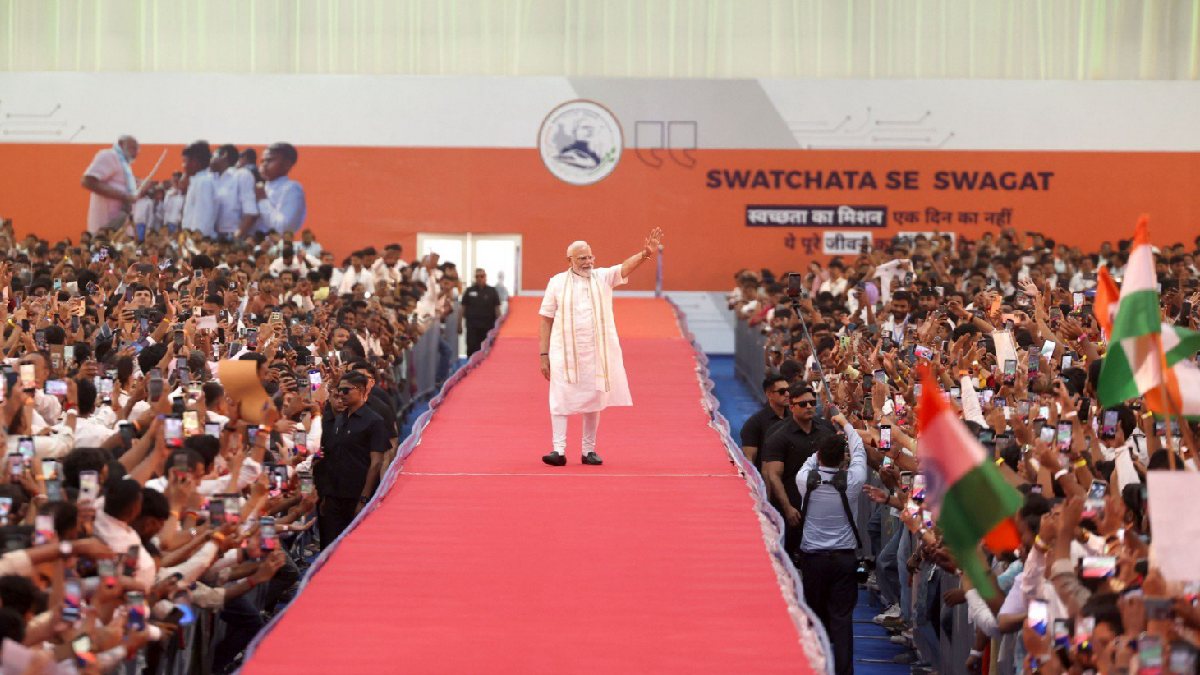
#WATCH | Gujarat | PM Modi receives an enthusiastic welcome from the crowd attending the 'NaMo for Viksit Bharat' event in Vadodara
— ANI (@ANI) September 8, 2026
(Video source: ANI/DD) pic.twitter.com/klrHAJri9T
Addressing the huge crowd in Vadodara, Modi said India’s railway sector has been transformed since 2014 — modern railway infrastructure was introduced and about 50,000 modern coaches have been added to the network during that time. Modern rolling stock, dedicated freight corridors and upgraded railway facilities are part of government push for a faster rail system.
The Prime Minister also mentioned the enthusiasm and energy of the young population in Vadodara. The large crowd that had gathered for the event indicated public interest in infrastructure projects being launched and inaugurated in Gujarat. Modi linked development of transportation infrastructure with India’s broader economic ambitions (faster connectivity to support businesses, industries and employment).
The completion of the Western Dedicated Freight Corridor is especially important for freight transport. Railway networks have to carry both passenger and goods trains so there are constraints in terms of operational capacity. Dedicated freight infrastructure allows cargo trains to run on separate routes so reliability can increase and existing passenger railway lines may be used more efficiently.
Vadodara = unparalleled energy and enthusiasm. pic.twitter.com/wbcycPa4wa
— Narendra Modi (@narendramodi) September 8, 2026
For Gujarat the projects are also important because of its large industrial base and major ports. Stronger rail connectivity can help manufacturing centres and businesses access ports more efficiently (reduce logistics costs and transit times). The new passenger services will add more connectivity for travellers while freight services will cater to commercial and industrial sectors.
The Rs 35,000 crore-plus package of projects therefore is not just an expansion of railway infrastructure. It links freight connectivity with passenger services highways and ports into a transportation network. As India continues to push for infrastructure led economic growth projects such as these are likely to remain central to efforts to increase logistics efficiency and strengthen connectivity between production centres and markets.
Vadodara event also showed government’s continued focus on railway modernisation- dedicated freight corridors, new train services, modern coaches and supporting highway infrastructure etc. are part of the latest projects to create an integrated transportation system. Completion of major WDFC sections will further strengthen India’s freight network and position Gujarat as one of the country’s key industrial and logistics hubs.