Could Canonical, the company behind Ubuntu, be revealing a clear change in the way people are using Linux
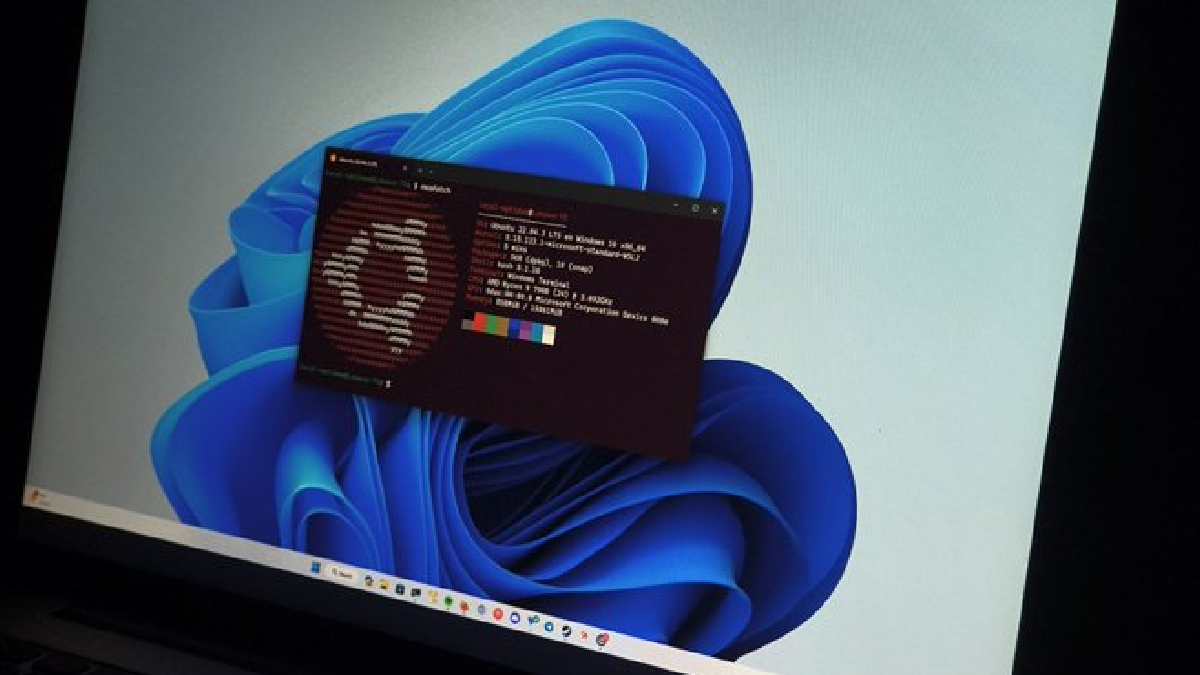
We are seeing more people using Ubuntu via Windows than Linux as their primary operating system. Linux is becoming part of Windows but not replacing it. Windows Subsystem for Linux (WSL) is one of the main reasons why people can run Linux distributions like Ubuntu directly inside Windows.
Ubuntu Finds a Greater Audience With Windows
Ubuntu has long been associated with computers running Linux as their main operating system. But WSL has changed that experience, giving developers, students, system administrators, and tech enthusiasts access to Linux tools without leaving Windows.
The Ubuntu environment can be opened in Windows and users can access Linux commands, development tools, and software and still use familiar Windows applications. Linux should be much easier to navigate for people who don’t want to switch to Linux as they don’t want to migrate to Windows.
Canonical has referred to the growing adoption of Ubuntu on Windows as a sign of changing computing habits. Instead of targeting Windows and Linux as competing platforms, most users now use them together.
Why are developers turning to WSL
The main benefit of WSL is convenience. Most web applications, cloud platforms, and software developers working on web application development, cloud platforms, and software projects generally use Linux-based tools and environments, and WSL is very useful.
So, using WSL they can use all of these things easily and they don’t need a separate Linux desktop computer for Linux programming.
Businesses also have less chance to shift employees to other machines or operating systems. Windows is still the default desktop environment and Ubuntu provides a Linux development environment when needed.
Cloud computing and demand for open-source software are also increasing demand for Linux-based development tools. Modern servers and cloud workloads are built on Linux, so a knowledge of Linux is essential for technology professionals.
Does this mean that native Linux is losing ground
The numbers do not mean that people are quitting native Linux. Rather, they indicate that Linux usage is becoming more diverse.
Native Linux is still an extremely popular platform for developers, cybersecurity professionals, enthusiasts, and users to have more control over their operating system. But WSL provides Linux access without any major changes to the operating system.
The development also marks a major shift in the state of the relationship between Microsoft and Linux. Microsoft is now more open-source, and Ubuntu is one of the most popular Linux distributions available from WSL.
Ubuntu’s increasing prevalence on Windows shows that users aren’t inclined to just pick one operating system to work with. For many, the future of computing might be Windows or Linux, depending on the job.