Xiaomi is open-sourcing the artificial intelligence model for its XR-1 humanoid robot as part of its efforts to drive robotics innovation. The AI system is being trained with over 1 lakh (100,000) hours of real-world data it is better able to learn to work in real life and handle complex physical tasks.
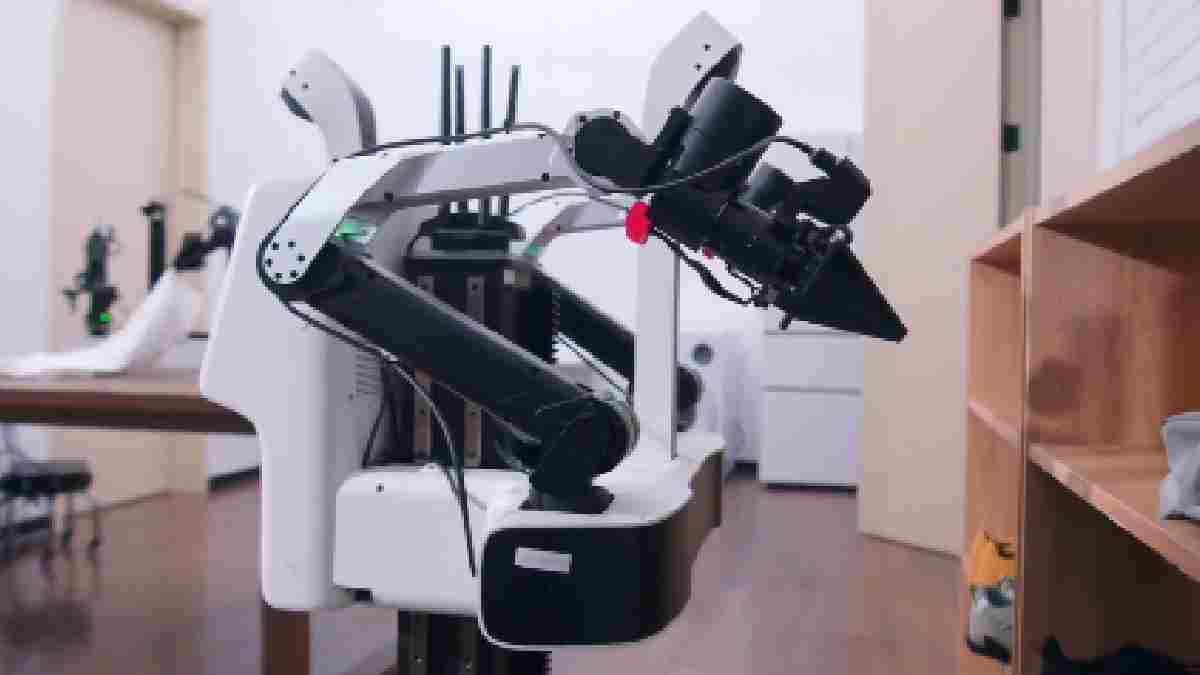
The decision to open source the XR-1 robot AI to researchers, developers, startups and academia, through open source development, will benefit the development community no need to build such systems from scratch.
Open-source AI has already revolutionized software development, and Xiaomi is working in the same direction to make robotics development more accessible to everyone.
The XR-1 robot AI combines computer vision, machine learning, motion planning and large scale behavioral learning. Based on real-world interactions instead of simulation, the AI can learn to recognize things like objects in the world, navigate indoor and outdoor environments, manipulate tools and respond to changing environments in a natural manner.
Xiaomi said the huge dataset includes recordings from a range of environments to enable AI to learn the daily human behavior like picking up things, sorting things, opening doors and interacting with people. Real-world training is beneficial in terms of adaptability and decreases the gap between laboratory performance and real-life application.
Xiaomi’s move is expected to accelerate the development of service robots, warehouse automation, healthcare assistants and home robotics, industry experts say.
Developers can customize the AI model for their own robots, and this could help to lower development costs and take less time for new robotic applications to be launched.
Xiaomi Robotics-1 🤖a new robot foundation model from @XiaomiTech_
— Adina Yakup (@AdinaYakup) August 5, 2026
- 100K+ hours real world robot data
- VLA architecture
- Cross-embodiment generalization
- Fast adaptation to new tasks pic.twitter.com/tdCtgVGC1j
The open-source initiative is also in line with companies sharing AI models to encourage innovation across the industry. Similar approaches in language models and vision AI have helped developers build new applications more easily than ever before. With robotics, however, big-scale training data is scarce and Xiaomi's release is particularly notable.
The robotics industry has developed rapidly in the past few years thanks to advancements in artificial intelligence, better sensors, and cheaper computing hardware. Humanoid robots are being used in manufacturing, logistics, retail, and even hospitality - tasks that are repetitive and physically challenging.
While open-sourcing the XR-1 AI can speed up innovation, experts also stress the importance of responsible AI deployment. Robots can only be used safely, in line with user privacy and under local regulations.
Xiaomi is an AI and robotics player as the initiative further puts Xiaomi on top of the growing AI and robotics ecosystem outside smartphones and consumer electronics. Artificial intelligence, smart devices and autonomous technology are not only huge investments of Xiaomi’s future plans as it is investing in AI and robotics as part of its long-term strategy.
As robotics continues to grow, Xiaomi’s decision to share a powerful AI model trained on over one lakh hours of real-world experience could be a landmark.
Building on the development of AI robots for a more global ecosystem will allow for more teams to come together with the company to rapidly develop intelligent robotics capable of helping humans in homes, workplaces, and public spaces.