
The proposed Siang Upper Multipurpose Project (SUMP) is a mega project expected to generate 11,200 MW of hydroelectric power, facing protests from tribal and local communities in the nearby valleys and surrounding regions. The locals are concerned about how the project might impact their homes, livelihoods, and the environment.
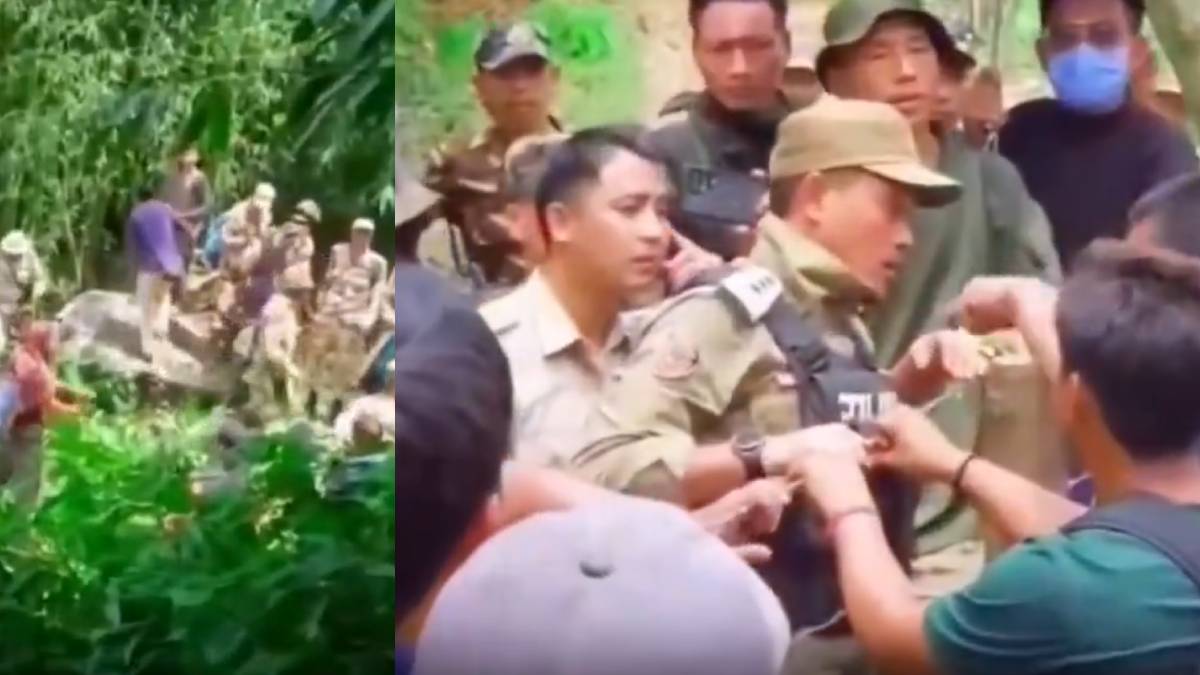
Peaceful protests have been taking place, with residents demanding local involvement in the project and a halt or slowdown in the ongoing survey work. However, the protests took a violent turn on October 23, as clashes broke out between protesters and police. Officials alleged that a group of protesters disrupted law and order, pelted stones and attempted to damage police vehicles and barricades. Police subsequently used tear gas to disperse the crowd. Although some protesters recount a different story, saying that as they were preparing to leave for their homes, an explosive went off and the stone pelting and tear gas were simultaneously seen
It was later reported that multiple private and government buildings were damaged, with the NHPC office and part of the Pasighat police station set on fire. The residences of political leaders were also reportedly vandalised during the unrest. and action have been taken against the p[oeple involed as FIRs have been registered and police alleged to detain or arrets atleast 15 people
It is important to note the backdrop of this violence. The authorities have used detention and a heavy security presence in response to protests, with several activists and villagers reportedly taken from their homes and detained by the police At least 10 people have been arrested since October 9; four of them have been detained under the Arunachal Pradesh Unlawful Activities (Prevention) Act, 2014 (APUAPA). On October 20, a peaceful march led by young people called for the release of detained activists, leaders and villagers.
The growing violence can be attributed, in part, to the frustration among people in Arunachal Pradesh, who feel that their concerns and demands have been neglected. Amid tensions with China. Local communities have raised concerns about displacement, the loss of ancestral land, environmental damage and the lack of meaningful consultation over a project that could fundamentally change their region.
Following the violence, protest organisers condemned the attacks, stating that they had not intended for the situation to escalate and reiterating that their objectives were peaceful.
The situation raises important questions about how development projects are pursued, whether local communities are being adequately consulted, and how the government responds when people oppose projects that could affect their homes and livelihoods.






Comments