
Karnataka’s electricity supply companies are reportedly under huge financial stress as unpaid electricity bills (₹12,642 crore) for power supplied to Gruha Jyothi scheme, government departments, public offices and streetlights is growing.
Karnataka Chamber of Commerce and Industry (KCCI) has written to the state government about increasing outstanding dues and requested it to clear pending payments without further delay.
KCCI has also asked Energy Department to take steps immediately so that money owed to electricity distribution companies is received by them. This development has raised concerns on financial health of electricity supply companies and if ordinary consumers and industries will have to pay additional amount in coming years.
The Gruha Jyothi scheme is one of the five guarantee programmes of the Karnataka government. Under it eligible households get up to 200 units of free electricity every month (subject to eligibility conditions in the scheme).
Though this has given relief to domestic consumers of electricity, the electricity supplied under the scheme is also an expense for the state power distribution companies. KCCI said payments for electricity consumed under Gruha Jyothi and by various government departments, offices and public streetlights have been pending for several years now.
The outstanding amount has reportedly reached ₹12642 crore now and businesses and stakeholders are worried about sustainability of the electricity supply system.
The Karnataka Chamber of Commerce and Industry feels that government should pay electricity bills for power it consumes as well as electricity supplied under welfare programmes.
They have alleged unequal treatment to recover electricity bill (ordinary consumers who do not pay within the stipulated period will get their supply disconnected; but many government departments and offices have accumulated huge unpaid electricity bills over a period of time without any such penalty). The chamber says government should follow transparent accountable payment system instead of letting outstanding dues increase further.
One of the main concerns voiced by the industry body is that eventually electricity tariffs could be affected if the financial burden keeps increasing. If government does not clear dues then electricity distribution companies will come under pressure (increasing financial burden) to run operations, maintain infrastructure and provide power supply.
KCCI has warned that if the dues are not paid then government may write off some of the dues also. If that happens then electricity supply companies would be left with huge losses; financial gap may have to be bridged in other ways electricity tariff revision.
If electricity tariff is increased households, commercial establishments and industrial consumers in Karnataka would be directly affected. Domestic consumers may have to pay more monthly electricity bills; businesses and manufacturing units could have to bear higher operating costs; for industries heavily dependent on electricity even a small increase in power tariffs will impact production expenses, competitiveness and investment decisions; small businesses and medium sized enterprises could also be financially squeezed if electricity becomes dearer. The chamber has therefore urged the state government to resolve outstanding payment issue before it turns into bigger financial burden for electricity sector.
KCCI has further said electricity companies should be paid for the power they supply whether it is used by individual households, private businesses or government establishments. “A transparent payment mechanism is required to safeguard the financial health of power distribution companies”, it said.
KCCI also asked Energy Department to intervene and coordinate with concerned government departments so that pending bills are cleared. “If such a huge amount is allowed to remain unpaid for years it will cause problems for the whole electricity distribution system,” it added.
The issue also brought to the fore the financial responsibilities of implementing large scale welfare programmes. While schemes like Gruha Jyothi directly benefit eligible households, government has to make sure that electricity companies supplying power get their payments on time.
Sustained reimbursement mechanism is needed so that welfare benefits don’t put undue financial burden on electricity distribution companies. State government may have to look at outstanding dues department wise and fix a schedule for clearing them.
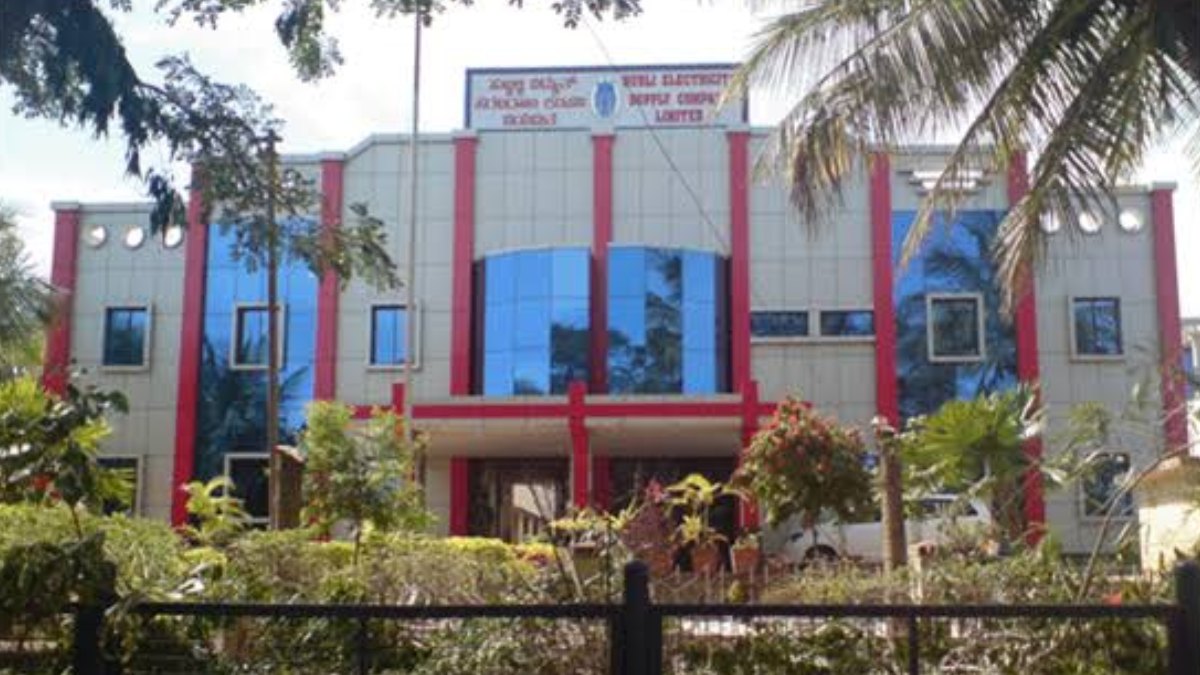
Meanwhile, an attempt was reportedly made to contact Hubballi Electricity Supply Company (HESCOM) for its response on the amount outstanding and financial implication but HESCOM didn’t respond as of the time of reporting. How government responds to KCCI’s letter and next steps taken by Energy Department will determine how issue is going to be addressed.
With ₹12,642 crore reportedly pending, Karnataka’s electricity dues have become a big issue for the business community in the state.
The central question now is whether government will clear the outstanding bills before financial pressure on electricity consumers and industries (through possible tariff hikes) kicks in? For now KCCI has demanded immediate government intervention, timely payments and greater financial accountability in the state’s electricity sector.



Comments