
Karnataka was one state Kannada-speaking people were divided into five different administrative regions. They spoke the same language, culture and heritage but political boundaries kept them apart.
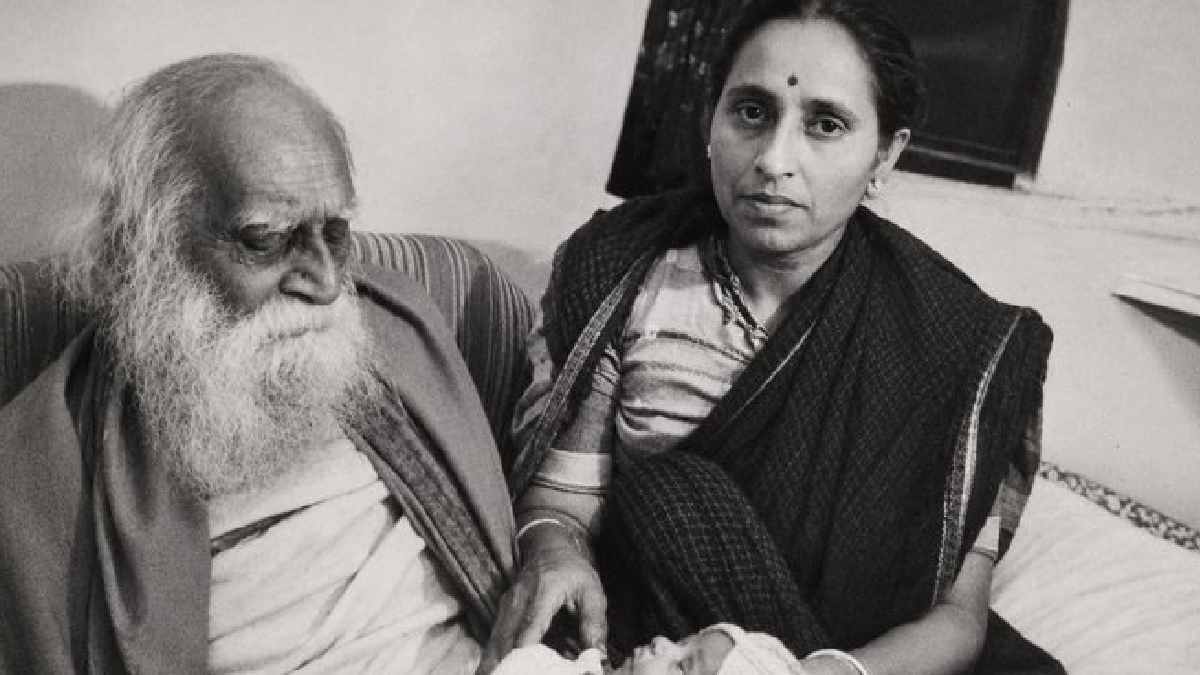
One man sacrificed his life for change. He is Aluru Venkata Rao he led the Karnataka Ekikarana movement which fought for unification of Kannada speaking regions.
Aluru Venkata Rao was born in Bijapur (now Vijayapura) in 1880 when Kannada speaking communities were spread over Bombay Presidency, Madras Presidency, Hyderabad State, Mysore State and Kodagu. Though they shared the same language and cultural identity they were governed separately.
Aluru felt Kannada-speaking people deserved a common state where their language, literature and traditions could grow together. He spent much of his life creating awareness about Kannada identity and bringing people from different regions under one cultural and political movement.
A writer, historian and journalist he used literature, journalism and public activities to propagate his ideas. He was not only for political demands but also worked for strengthening Kannada literature, education and cultural awareness. In 1921 he joined Mahatma Gandhi’s movement linking his commitment to Kannada identity with the national struggle as a whole.
He was one of the founders of Kannada Sahitya Parishat, an organisation which worked to promote Kannada language and literature. He also supported demand for Karnataka University (he felt that higher education is essential for preservation and development of Kannada culture).
Aluru knew people needed to remember their shared history in order to feel connected. So he launched the Vijayanagara festival to celebrate historical and cultural importance of Vijayanagara Empire. This strengthened sense of collective pride among Kannada speaking communities.
Dharwad gradually became an important centre of Karnataka Ekikarana movement writers, intellectuals, activists and ordinary people joined together to demand unification of Kannada speaking areas into a single state. Aluru Venkata Rao’s writings and efforts gave direction and strength to this movement.
After years of public agitation and demands a historic moment arrived on 1 November 1956 Kannada speaking regions from different administrative areas were brought together to form the enlarged Mysore State.
For Aluru Venkata Rao it was a day of realisation of a lifelong dream. He was alive to see the formation of the unified state. According to accounts of the historic day he went to Virupaksha Temple in Hampi and offered pooja to mark the occasion.
He was called Karnatakada Kulapurohita (chief architect or guiding patriarch of Karnataka) for his extraordinary contribution.
The journey was not over with the creation of Mysore State. On November 1, 1973 it was renamed Karnataka giving the unified Kannada-speaking region the identity it has today.
November 1 is Karnataka Rajyotsava every year. It celebrates formation of the state but also reminds us of those who worked hard to make it happen.
Among them Aluru Venkata Rao is perhaps the most important one. His dream was not just to draw new boundaries on a map. It was connecting people through language, literature history and culture. His legacy lives on whenever Karnataka celebrates its identity.

Comments